
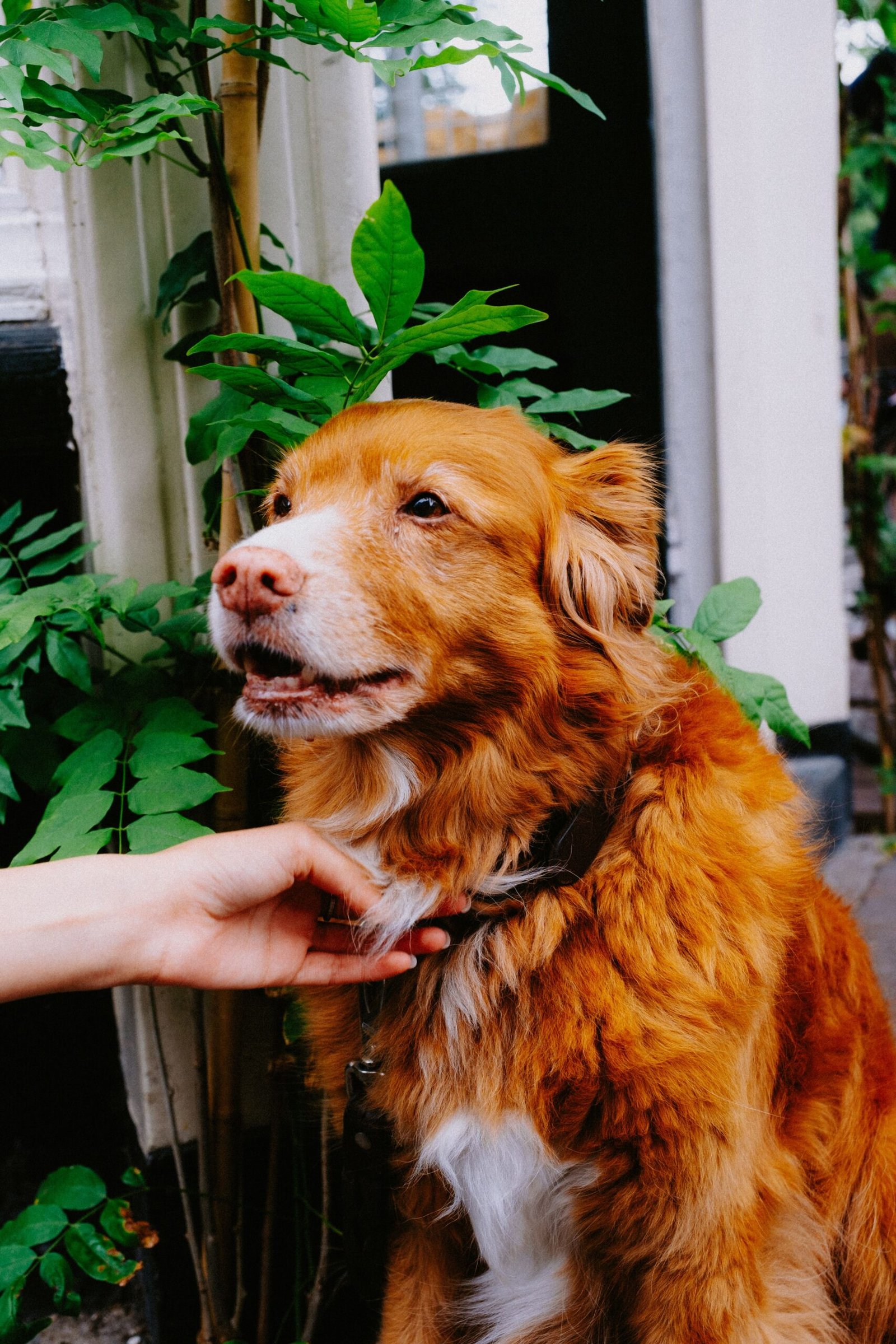
Why Do Dogs Like to Be Pet? The Science & Best Spots
Why do dogs like to be pet? The science behind touch, the best and worst spots, and the 2–3 second consent test that tells you if your dog wants more.
Your dog nudges your hand, leans into your leg, or rolls over the moment you sit down. But why do dogs like to be pet so much? And does your dog enjoy it in every spot, or just some?
Quick Answer
Dogs like being petted because touch feels good and it deepens the bond with you. Gentle stroking calms most dogs, and studies show it can raise oxytocin, a bonding hormone, in both dog and owner. But not every dog likes it, and not in every spot — the chest, shoulders and chin are the safest bets.
Why Do Dogs Like to Be Pet?
Three things work together: touch feels good, it builds the bond, and dogs have learned your hands bring good things.
First, touch itself. A dog’s skin is full of nerve endings, and a slow, gentle stroke feels pleasant — much like a massage feels to you. Touch is also a dog’s first language: a mother licks and grooms her newborn pups to stimulate breathing and keep them clean, so from birth, touch means care and safety. Puppies that get plenty of gentle handling grow into more confident, social dogs — the AKC notes that early cuddling and touch help pups learn that people are safe.
Why touch feels good: slow strokes are picked up by C-tactile fibres. In people, slow strokes at 1-10 centimetres a second are picked up by special C-tactile fibres that signal pleasant touch, the Loken study above. Dogs have similar unmyelinated fibres, so a slow stroke, not a fast rub, is what most dogs enjoy. And if scratching one spot makes your dog’s back leg kick, that is the scratch reflex, a spinal reflex, not a request for more.
Second, bonding. Petting is social time — your dog is enjoying being close to you, not just the stroke. Dogs were bred over thousands of years to live beside people, and touch is one of the main ways they keep that bond strong.
A dog that cannot settle and demands attention all day may be restless for other reasons — see the signs of ADHD in dogs.
What the science actually says
The science is real, but often overstated. Here is what the studies actually found — and what they did not.
- Nagasawa et al. (2015). In a study in Science, mutual eye contact between dogs and owners raised oxytocin in both — but it tested gazing, not petting, and wolves showed no such loop.
- Odendaal & Meintjes (2003). After a friendly interaction, oxytocin, endorphins and dopamine rose in dogs and people, and blood pressure fell in both. A small study from 2003.
- Handlin et al. (2011). Ten women stroked their Labradors for three minutes: the dogs’ oxytocin rose in three minutes, the owners’ in five. The dogs’ cortisol did not change.
- Feuerbacher & Wynne (2015). In tests with 114 dogs, petting beat spoken praise every time, across eight sessions.
- Löken et al. (2009). In people, slow stroking at 1–10 centimetres a second is picked up by unmyelinated C-tactile fibres that signal pleasant touch. Dogs were not tested.
So the honest version: petting feels good to dogs and may raise oxytocin in both of you, but no study in this list showed petting lowering a dog’s cortisol — do not read the oxytocin results as proof that petting always calms a dog.
Petting vs massage: petting is light, social touch for bonding, any time. Massage is slower and firmer, worked over the muscles. It is best as gentle comfort for a stiff senior, never as treatment for pain. Keep it slow and light, stop if your dog flinches, tenses or moves away, and ask your vet about pain first. Petting helps you too: it can lower your blood pressure in the moment and ease loneliness, though long-term evidence is mixed.
Where Do Dogs Like to Be Pet?
Most dogs have clear favourites: the chin, chest, shoulders and back. Most dislike the paws, tail and top of the head. PetMD’s guide to petting a dog properly names the chin, neck, shoulders and chest as the safest spots.
| Spot | Zone | Why |
|---|---|---|
| Under the chin | Green | Easy to reach without looming; a favourite for most dogs, even shy ones. |
| Chest | Green | Open and unthreatening; the best first spot with a new dog. |
| Shoulders and side of the neck | Green | Calm, easy strokes; dogs often lean in here. |
| Back (slow, along the spine) | Green | Most dogs enjoy slow strokes here; keep it gentle, never hard pats. |
| Ears (slow rub) | Green | Many dogs love a slow ear rub from someone they know — but ears are sensitive, so go gently, and skip them with a new dog. |
| Belly | Amber | Belly = invitation, not request: some dogs love it, but many roll over to show submission. Test first. |
| Top of the head | Amber | Some dogs love it from their own person; a hand coming down over the head can feel threatening, especially from strangers. |
| Paws | Red | Most dogs dislike having their paws held. They need handling for care, so train it slowly — never force it. |
| Tail | Red | Grabbing or pulling the tail hurts and startles. The base of the tail can overstimulate some dogs. |
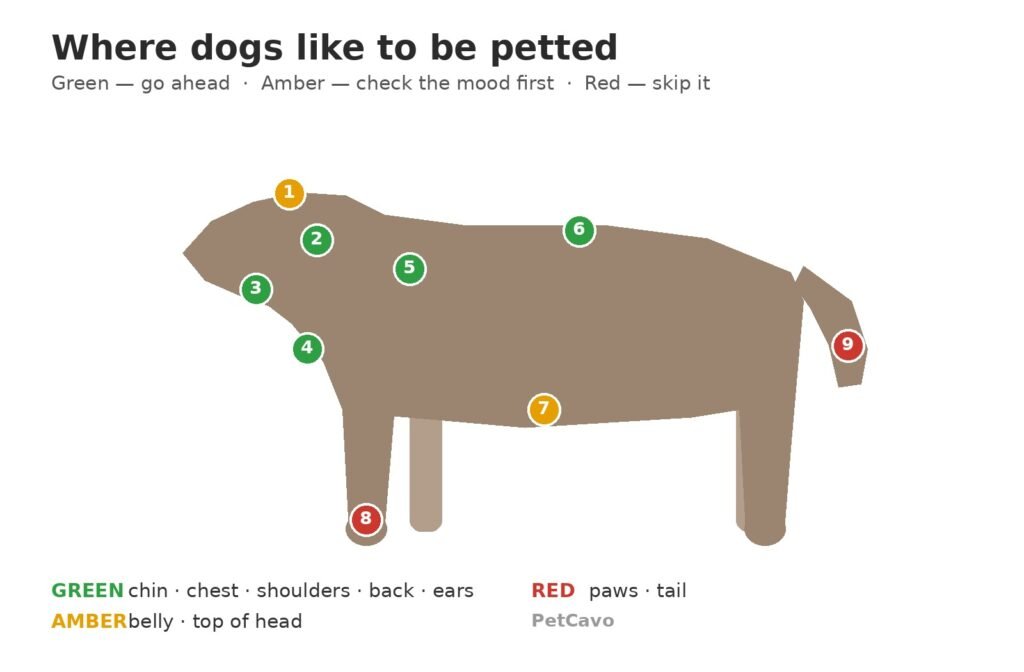
Keep the zones above in mind — the chin, chest, shoulders and back are the safest places to start.
What Is the 2–3 Second Consent Test?
Pet for two to three seconds, then stop and see what the dog does. Reader’s Digest puts it simply: scratch for two to three seconds, then stop and see if the dog nudges you for more. It is not a scientific finding — just a practical check.
Do not mix this up with the “7 second rule” you may have seen on Google. That one is about hot pavement: hold the back of your hand on the pavement for seven seconds to check it will not burn your dog’s paws. It has nothing to do with petting.
- Let the dog come to you. Crouch to the side, hand held low so the dog can sniff it.
- Pet a green spot — chest or under the chin — for two to three seconds.
- Stop. Take your hand away and wait.
- If the dog nudges your hand, leans in, or moves closer, it wants more — carry on. If it stays still, turns away, or walks off, it has had enough — let it go. Repeat the test when your dog’s mood changes — a yes now is not a yes forever.
How to Tell If Your Dog Likes Being Petted
Your dog is always telling you how it feels. Read the whole body — no single sign tells the full story. The AKC’s guide to reading dog body language says the same: a wagging tail alone means arousal, not happiness.
A tail sweeping more to the right is linked in research to positive feelings, a sweep to the left to more negative ones. Read the whole body, never a wag on its own. Some breeds and older dogs simply prefer less contact, and that is fine.
Signs your dog likes it
- Leans into your hand or presses against you
- Loose, wiggly body; soft eyes; mouth relaxed, slightly open
- Tail wagging in slow, wide sweeps
- Nudges your hand for more, or stays close
- Eyes soft or half-closed while you stroke

Signs to stop now
- Freezes, stiffens, or pulls away
- Turns its head away, avoids eye contact, moves off
- Lip licking, or yawning when it is not tired
- Whale eye — the whites of the eyes showing — or ears pulled back
- Tail tucked, weight shifted back, head lowered, crouching
- Growls, snaps, or shows teeth — stop at once; never punish the warning
My Dog Never Likes Being Petted
Some dogs never enjoy being petted, and that is normal. Shy dogs, rescue dogs, and dogs not handled much as puppies may find touch stressful, not pleasant. Pain is another common reason — sore joints, an ear infection, or a skin problem can make a dog flinch.
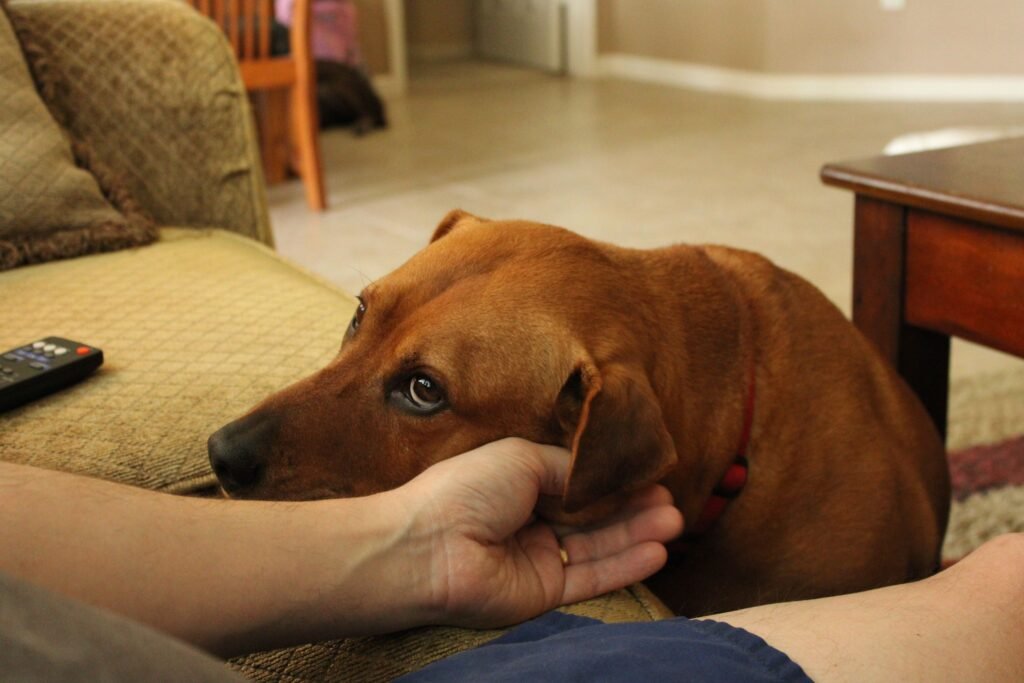
What helps: let the dog choose. Sit nearby, ignore the dog, and let it come to you. Pair touch with treats: one gentle stroke, then a treat, then stop. Keep sessions to a few seconds and stop before the dog gets stressed. Build up over days and weeks.
Never force it. Picking a dog up, holding it still, or chasing it to pet it only makes touch scarier. If your dog flinches, freezes, or snaps when touched, see your vet first to rule out pain. A certified trainer or veterinary behaviourist can help a shy or fearful dog.
My Dog Suddenly Stopped Liking Being Petted
A dog that used to love petting and suddenly does not is telling you something. The most common cause is pain: arthritis, an injury, a sore spot, an ear infection, a skin problem, or dental pain. Older dogs grow stiffer and more sensitive.
Watch for other changes too: eating less, sleeping more, hiding, or snapping when touched. If your dog has also gone off food, that is a stronger warning sign — see how long a dog can go without eating, and call your vet.
How to Pet a Stranger’s Dog
Ask first — every time, even if the dog looks friendly. The owner knows the dog; you do not.
- Ask the owner: “Can I pet your dog?” If the answer is no, walk on. A red collar or lead is used by some owners as a do-not-pet signal, so always ask.
- Approach from the side, not head-on, and crouch low with your hand held low so the dog can sniff it.
- Pet under the chin or on the chest — never over the head first.
- Pet for a few seconds, then stop and watch — the 2–3 second test.
- If the dog moves away, stiffens, or the owner says stop, stop at once. Never pet a dog that is eating, sleeping, in a crate, or on a lead with no owner nearby.
How to teach a child to pet a dog
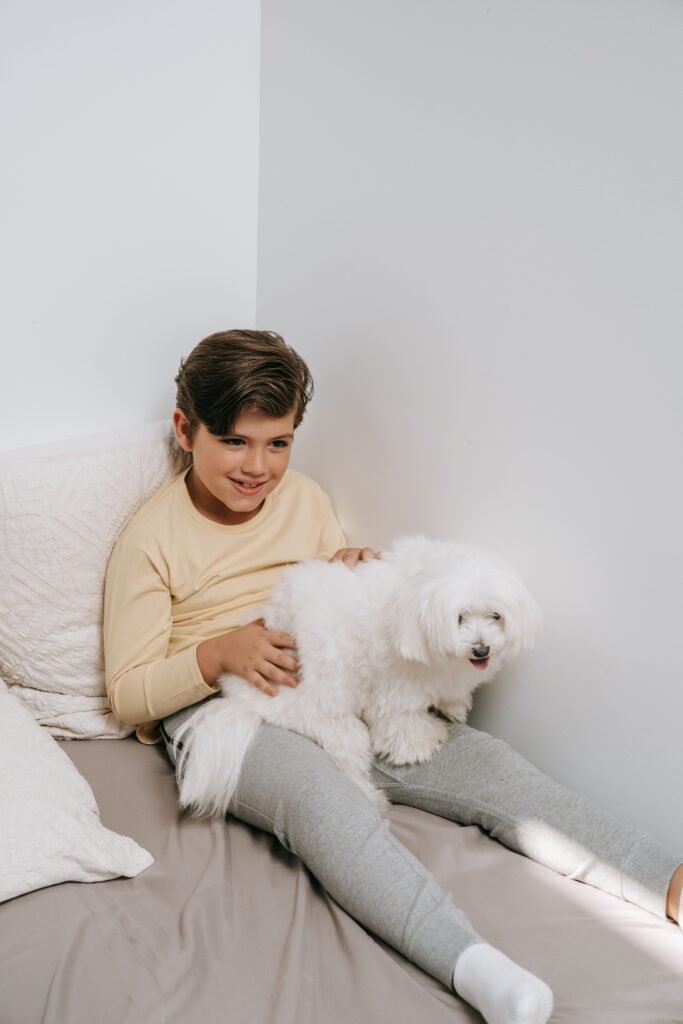
Children should only pet a dog with an adult watching. Teach four rules: ask first; use slow, gentle hands on the chin or chest, never over the head; stop when the dog walks away. Never let a child hug an unfamiliar dog or pull its ears or tail.
Key Takeaways
- Dogs like petting because it feels good and builds the bond — studies show it raises oxytocin in both dog and owner.
- The famous oxytocin study tested eye contact, not petting — no study shows petting lowers a dog’s cortisol.
- Best spots: chin, chest, shoulders, back. Worst: paws, tail, top of the head.
- A belly-up dog is not always asking for a belly rub — check the body first.
- Pet for 2–3 seconds, stop, and let the dog ask for more.
- If your dog never liked it, or suddenly stopped, pain is a common cause — see your vet.
- Ask before petting any dog that is not yours.
Frequently Asked Questions
Do dogs like to be pet on the head?
Some do, from their own person. Many dislike a hand coming down over the head, especially from a stranger — it can feel threatening. Pet under the chin instead. If your dog leans into a head rub and stays loose and relaxed, it enjoys it. Watch the body, not the spot.
Do dogs like belly rubs?
Some dogs love them. But many dogs roll over to show submission, not to ask for a rub. Test it: a loose, wiggly body with soft eyes means yes. A stiff body, tucked tail and tense mouth means no — back off. Never rub the belly of a dog you do not know.
Do dogs like to be pet on the ears?
Many dogs enjoy a slow, gentle ear rub from someone they know. But ears are sensitive, and some dogs hate having them touched. Go slowly, never grab or pull, and stop if the dog flinches or pulls away. Skip the ears with a dog you do not know.
Do dogs like to be pet while sleeping?
Most dogs do not. Waking a sleeping dog with a touch can startle it, and a startled dog may snap. Let a sleeping dog lie. If you must wake one, call its name softly from a short distance first, then wait for it to wake up fully.
Do dogs like hugs?
Many dogs do not enjoy being hugged. A hug traps the dog and takes away its choice to move off, which many dogs find stressful. A loose arm around a dog that leans into you is different from a tight squeeze. If the dog stiffens or turns its head away, let go.
Do dogs like being pet by strangers?
It depends on the dog. Confident, social dogs often enjoy it; shy or nervous dogs may not. Always ask the owner first, approach from the side, and let the dog come to you. Pet under the chin or on the chest, never over the head, and stop if the dog moves away.
Do dogs like being pet by children?
Many dogs enjoy gentle petting from children they know, but children move fast and grab, which can scare a dog. Teach children to ask first, use slow gentle hands, and pet the chin or chest. Never leave a young child alone with a dog, and never let a child hug or climb on one.
Do dogs ever get tired of being petted?
Yes. Even dogs that love petting can get overstimulated, especially with fast or rough strokes. Signs include turning away, walking off, lip licking, yawning, or a stiff body. Use the 2–3 second test: pet, stop, and let your dog ask for more.
Where do dogs not like to be touched?
Most dogs dislike their paws, tail, and the top of the head being touched, especially by strangers. The belly is a maybe — it depends on the dog and the moment. Stick to the chin, chest, shoulders and back, and watch the dog’s body language for the final answer.
Why does my dog want to be petted all the time?
Dogs ask for petting because it feels good and gets your attention — in one study, dogs chose petting over praise even from their own owner. Some ask constantly out of anxiety or boredom, and some bark for attention too. Give regular play, set gentle limits, and ask your vet or a trainer if it turns obsessive.
Is petting or massage better for my dog?
Neither is better, they do different jobs. Petting is light, social touch for bonding and checking in. Massage is slower, firmer stroking over the muscles, best as gentle comfort for a stiff senior, never as treatment. Stop if your dog flinches, tenses or moves away, and ask your vet about pain first.
Sources
- Nagasawa, M. et al. (2015), “Oxytocin-gaze positive loop and the coevolution of human-dog bonds”, Science 348(6232): 333–336: https://pubmed.ncbi.nlm.nih.gov/25883356/
- Odendaal, J. S. J. & Meintjes, R. A. (2003), “Neurophysiological correlates of affiliative behaviour between humans and dogs”, The Veterinary Journal 165(3): 296–301: https://pubmed.ncbi.nlm.nih.gov/12672376/
- Handlin, L. et al. (2011), “Short-term interaction between dogs and their owners: Effects on oxytocin, cortisol, insulin and heart rate — an exploratory study”, Anthrozoös 24(3): 301–315: https://psycnet.apa.org/record/2011-20317-006
- Feuerbacher, E. N. & Wynne, C. D. L. (2015), “Shut up and pet me! Domestic dogs (Canis lupus familiaris) prefer petting to vocal praise in concurrent and single-alternative choice procedures”, Behavioural Processes 110: 47–59: https://psycnet.apa.org/record/2014-37894-001
- Löken, L. S. et al. (2009), “Coding of pleasant touch by unmyelinated afferents in humans”, Nature Neuroscience 12(5): 547–548: https://pubmed.ncbi.nlm.nih.gov/19363489/
- PetMD, “How to Pet a Dog Properly” (Wailani Sung, MS, PhD, DVM, DACVB; updated 9 September 2026): https://www.petmd.com/dog/general-health/how-to-pet-dog
- American Kennel Club, “How to Read Dog Body Language” (updated 13 October 2026): https://www.akc.org/expert-advice/training/how-to-read-dog-body-language/
- VCA Animal Hospitals, “Senior Dog Care”: https://vcahospitals.com/know-your-pet/senior-dog-care
- Siniscalchi, M. et al. (2013), “Seeing left- or right-asymmetric tail wagging produces different emotional responses in dogs”, Current Biology.
Photo Credits
- Featured image: Photo by Mathias Reding on Pexels
- Zone diagram: Original PetCavo diagram
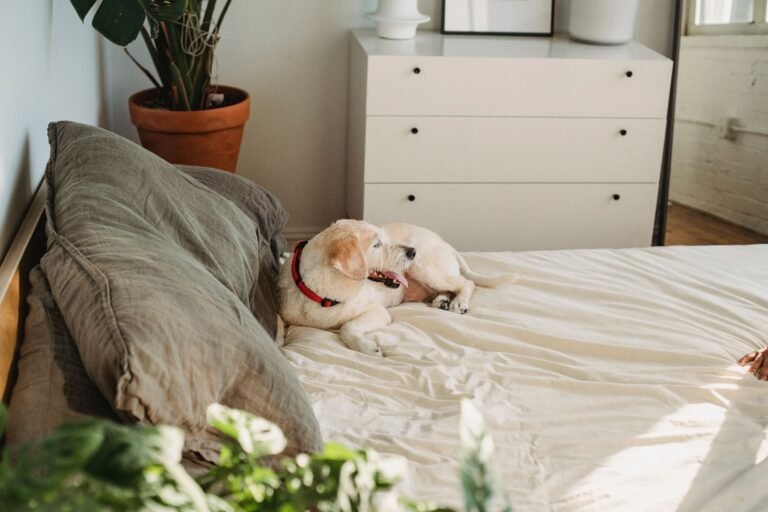
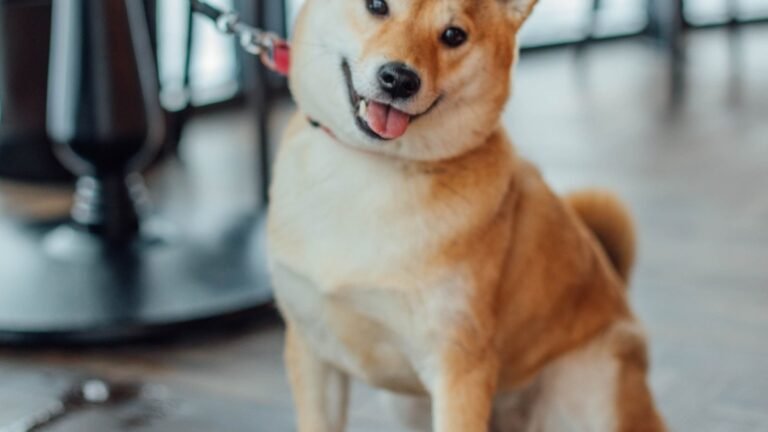
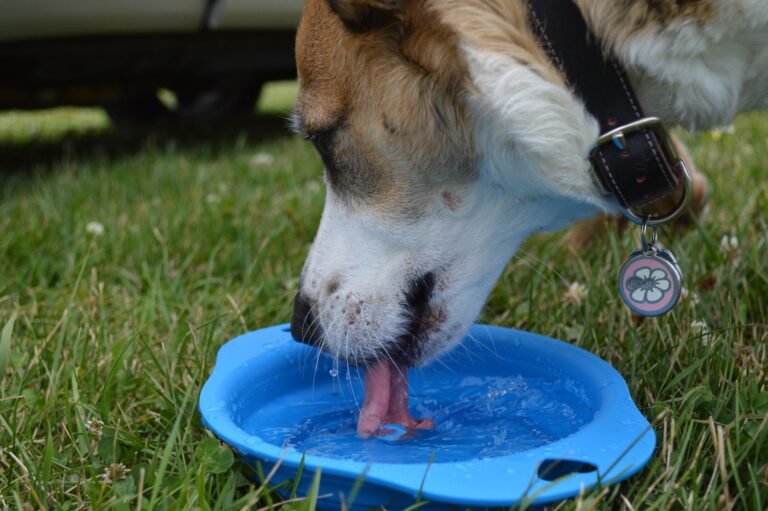
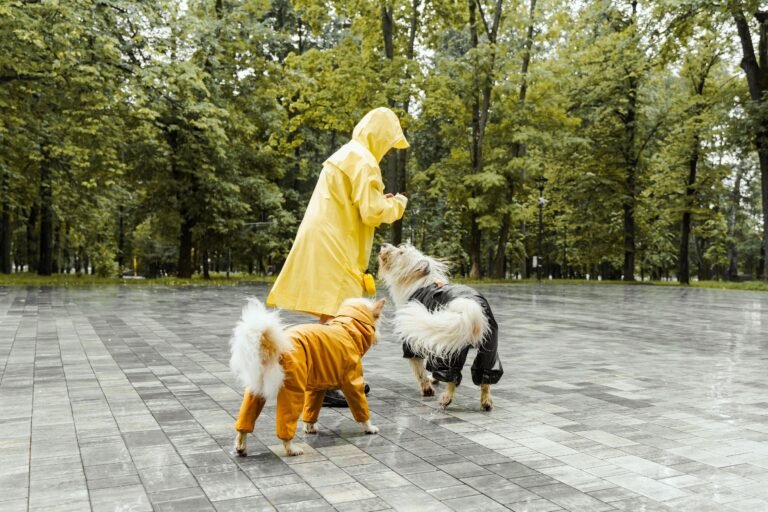
- In-content photos: Photo by Akshay Kumar on Pexels; Photo by Teresa Sturek on Pexels; Photo by Katya Wolf on Pexels


One Comment