

Dog Panting at Night: When to Worry (Triage Guide)
Dog panting at night? Learn the common causes, emergency red flags and what to do tonight — plus when it’s safe to wait till morning.
It’s 2 a.m. The house is quiet, everyone is asleep — and your dog is panting as if they’ve just sprinted round the park. If dog panting at night has you lying awake wondering whether this is normal or a reason to panic, you’re not alone — and you’re asking exactly the right question. Night is when you’re least able to pop to the vet, and most able to overthink.
The short answer: a dog panting at night is often harmless. A warm bedroom, a thick coat or a vivid dream can all get a dog puffing. But it can also be your dog’s way of telling you something hurts, they’re anxious, or they’re unwell — especially if the panting starts suddenly, won’t settle, or comes with other symptoms. This guide will help you tell the difference, know what to do tonight, and decide when it’s safe to wait until morning.
Is it normal for a dog to pant at night?
Sometimes, yes. Dogs barely sweat — they release heat mainly through panting, so light panting is their built-in air conditioning. A dog who pants softly for a few minutes while settling down, then sleeps quietly, is usually fine.
It’s also completely normal for dogs to pant, twitch and even “woof” softly in their sleep. During dream (REM) sleep their breathing becomes irregular, and many owners mistake this for distress. If your dog is paddling their paws gently and breathing unevenly but stays asleep, they’re most likely chasing squirrels in a dream — let them sleep.
The panting worth paying attention to looks different: it’s heavier, it happens while your dog is awake, and your dog seems restless rather than relaxed. Panting that keeps your dog (and you) awake, or that appears out of nowhere in a dog who normally sleeps soundly, deserves a closer look.
Why is my dog panting at night? 9 common causes

1. The bedroom is too warm
The simplest explanation is usually the right one. Bedrooms trap heat — especially with the heating on, a thick blanket on the dog’s bed, or a basket tucked beside a radiator. Dogs overheat much faster than we do, and a room that feels comfortable to you can feel stuffy to them. If the panting eases when you open a window or move their bed somewhere cooler, you’ve found your answer.
2. Dreaming
Dogs dream — and some dream noisily. Panting during sleep, especially with twitching paws, flickering eyelids or muffled barks, is normal REM sleep. There’s no need to wake them; waking a dog mid-dream can startle them. Only take notice if the panting continues after they wake up.
3. Anxiety and restlessness
Night-time is prime time for anxious panting. When the house goes quiet, there’s nothing to distract a worried dog — no daytime activity to burn off nervous energy. Common triggers include thunderstorms, fireworks, unfamiliar sounds, a new home, a change in routine, or separation anxiety when everyone heads off to bed. Anxious panting usually comes with pacing, clinginess, whining or an inability to settle in one spot.
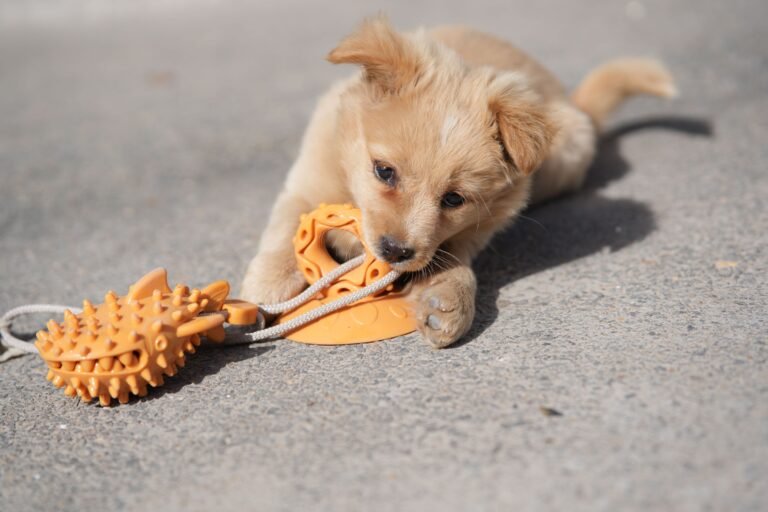
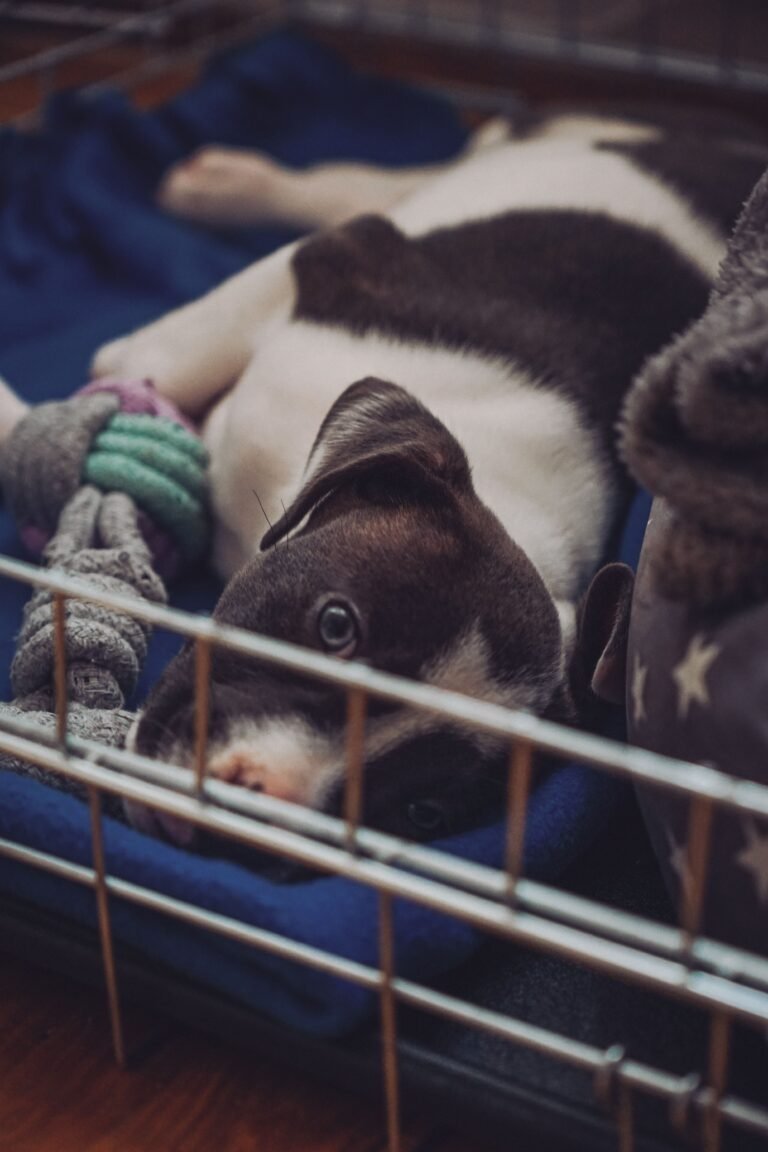
A familiar comfort object can genuinely help an unsettled dog relax at bedtime — many dogs find real security in a favourite blanket or toy, for the same reason so many puppies carry toys into their crates. Keeping bedtime calm and predictable matters too: the same routine, in the same place, every night.
4. Pain
Pain is one of the most common medical reasons for panting at night, and it’s easy to see why it shows up after dark: during the day, walks, play and company distract your dog, but at night there’s nothing to take their mind off an aching joint or sore tooth. Arthritis in older dogs is a classic culprit — as are a recent injury, dental pain, an upset stomach or recovery from surgery. Warning signs include restlessness, difficulty lying down or getting comfortable, licking or chewing at one spot, stiffness, or yelping when touched.
5. Canine cognitive dysfunction (“doggy dementia”)
Senior dogs can develop cognitive decline, and one of its hallmark signs is “sundowning”: confusion, pacing, whining and panting that gets worse in the evening and at night. If your older dog seems disorientated after dark — staring at walls, getting stuck in corners, forgetting housetraining — mention it to your vet. There are diets, supplements and medications that can slow the progression, and simple changes like a night light and a consistent bedtime routine often help.
6. Breed, weight and coat
Some dogs are simply built to pant. Flat-faced (brachycephalic) breeds such as Bulldogs, Pugs and Shih Tzus have narrow airways and work harder to breathe, so they pant more — and louder — than other dogs, especially when warm. Overweight dogs pant more too, because extra weight makes every breath harder work and makes overheating more likely. Thick-coated breeds like Huskies and Chow Chows can struggle in centrally heated bedrooms even in winter.
7. Medication side effects
This is one many owners don’t know about: certain medicines commonly cause panting, and steroids such as prednisolone are the biggest offenders. If your dog started panting at night shortly after beginning a new prescription, check the side effects — and call your vet before stopping anything. Never stop prescribed medication on your own; your vet can advise whether the panting is expected or whether the dose or drug needs reviewing.
8. Heart or breathing problems
Panting can be a sign that the heart or lungs aren’t working as they should. Heart disease, fluid on the lungs, kennel cough, pneumonia, a collapsing trachea (common in small breeds) or laryngeal paralysis (weakened throat muscles, most common in older large-breed dogs) can all cause laboured or noisy breathing that becomes obvious at night when your dog is lying flat and still. Clues include coughing (especially at night or after lying down), a harsh raspy sound when breathing in, tiring easily on walks, a swollen tummy, or gums that look blue, grey or unusually pale. These need a vet — don’t wait and see.
9. Other illnesses
A few conditions deserve a special mention. Cushing’s disease (an overactive adrenal gland, common in middle-aged and older dogs) causes heavy panting along with increased thirst, appetite and a pot belly. Bloat (gastric dilatation-volvulus) is a genuine emergency: a swollen, hard, drum-like tummy with retching that produces nothing, restlessness and drooling — this needs an emergency vet immediately. Fever, infection and anaemia can also cause panting, usually alongside lethargy, loss of appetite or other signs of illness.
Red flags: when night-time panting is an emergency
Don’t wait until morning if your dog is panting at night alongside any of these:
- Gums that are blue, grey, white or very pale (healthy gums are pink)
- Laboured breathing — visible effort, flared nostrils, or the whole belly moving with each breath. The key difference: normal panting is fast and shallow but looks comfortable, while laboured breathing shows real effort — heaving sides or belly, elbows held out from the body, or the neck stretched forward to pull in air.
- Panting that started suddenly and won’t stop after 30–60 minutes of cooling down
- Collapse, weakness, wobbliness or disorientation
- A swollen, hard, drum-like tummy with retching but no vomit (possible bloat)
- Coughing, especially with foam or blood
- Extreme restlessness with crying or whining that you can’t soothe
If any of these apply, call your vet or an emergency animal hospital now. Breathing problems can deteriorate quickly, and vets would far rather reassure you at 3 a.m. than see a dog who waited too long.
The 60-second check you can do right now
While you’re deciding what to do, run through this quick assessment:
- Count their breaths. While your dog is resting (not just after moving around), watch their chest rise and fall for 15 seconds and multiply by four. Under 30 breaths per minute at rest is generally normal; consistently over 30–40 breaths per minute while resting is a reason to call your vet.
- Check their gums. Gently lift your dog’s lip. Healthy gums are a bubble-gum pink. Press a fingertip against the gum for a second — the colour should return within two seconds. Blue, grey, white or brick-red gums all warrant an urgent call.
- Read their body language. Is your dog bright and responsive, or dull and distant? Can they settle if you sit with them quietly, or are they pacing no matter what you do? A dog who can’t get comfortable is telling you something.
- Check the room. Is it warm or stuffy? Is the bed near a radiator or in direct line of the heating? Offer fresh, cool water — but don’t force them to drink.
What to do tonight: 7 practical steps
If your dog is panting at night right now, work through these steps in order — most mild cases settle within half an hour once your dog is cool and calm.
- Cool the room down. Move the bed away from radiators, crack a window, or use a fan on a low setting nearby (not blowing directly at them). A cool, damp towel on their paws and belly can help — never use ice-cold water or an ice bath, which can shock their system.
- Offer fresh water. Keep a bowl of cool water within easy reach. Dehydration after a warm day makes panting worse.
- Keep things calm. Dim the lights, turn off loud TVs, and speak softly. Try not to fuss over them frantically — dogs read our stress, and your anxiety can amplify theirs. Quiet company is usually the best medicine for a worried dog.
- Let them choose their spot. Many dogs pant because they’re simply too warm where they’re lying. Let them move to a cool tiled floor or a different room if they want to — insisting they stay in a cosy bed can make things worse.
- Give them a safe, familiar den. A crate with the door open, a favourite blanket and a comfort toy gives an anxious dog a secure place to settle. If your dog isn’t crate trained yet, our step-by-step crate training guide walks you through it gently.
- Stick to the routine. A predictable wind-down — last toilet trip, then bed in the same place — signals that it’s time to sleep. Avoid late-night high-energy play; move vigorous exercise to earlier in the evening when it’s cooler.
- Take notes (and video). Write down when the panting started, how long episodes last, and anything unusual you noticed. A short video of the panting is incredibly useful for your vet — it shows them exactly what you saw.
And a few things not to do: don’t give human medicines such as paracetamol or ibuprofen (both can be dangerous for dogs), don’t force water into their mouth, and don’t scold a panting dog — they can’t help it, and stress only makes panting worse.
If the panting keeps happening over several nights, a simple log makes patterns much easier to spot — and gives your vet exactly what they need:
| Date / time | Breathing rate (breaths/min) | Context / triggers | What you did |
|---|---|---|---|
When it’s probably fine to wait until morning
Not every midnight panting session needs an emergency dash. It’s reasonable to monitor at home and book a routine vet appointment if:
- The panting stops once the room cools down or your dog settles
- Your dog is bright, responsive and happy to go back to sleep
- Gums are pink and the breathing rate is under 30 per minute at rest
- The panting only happens during dreams (twitching, then peaceful sleep)
- Eating, drinking and toilet habits are all normal
Even then, mention new or recurring night-time panting at your next vet visit — especially in senior dogs, or if your dog has recently started any medication. Patterns over time tell your vet a lot.
Why is my female dog panting at night?
Unspayed females have a few extra explanations worth knowing about. In the week or two around her season, hormonal shifts can raise her body temperature and leave her restless or clingy at night — light panting during this time is usually nothing to worry about. Panting can also appear during a false pregnancy, when a female acts as though she’s expecting pups (nesting, carrying toys around, even producing milk) a month or two after her season.
If your female is pregnant, light panting in the final days is common as her body prepares for labour — but heavy, continuous panting can be an early sign that labour is starting, so keep your vet’s number close. In nursing mothers, sudden heavy panting with restlessness or stiffness in the first few weeks after giving birth can signal dangerously low blood calcium (eclampsia), which is an emergency — call your vet straight away. Spayed females pant at night for all the same reasons as males, so work through the nine causes above first.
Why does my dog pant at night but not during the day?
It feels contradictory, but panting only at night is a common pattern — and it usually has a simple explanation. During the day there’s plenty to distract your dog, and mild discomfort is easy to miss. At night, when everything goes quiet and still, small problems surface: a slightly achy joint hurts more when lying down, low-level anxiety creeps in when the house goes silent, and dreams only happen during sleep.
Bedroom conditions play a part too. Your living room might be cool while your bedroom traps heat, or your dog might burrow under the duvet and overheat. Late-evening excitement — a boisterous game or visitors shortly before bed — can also leave a dog wired for hours. As a rule of thumb, panting that appears only at night and vanishes by morning is less urgent than panting that continues around the clock. But if night-only panting is new, happens most nights, or is getting worse, mention it to your vet — especially in a senior dog.
Panting paired with excessive thirst at night
Panting on its own at night often turns out to be harmless — but panting paired with noticeably increased thirst is a combination worth taking seriously. When a dog drinks much more than usual and pants heavily, vets think of a shortlist of conditions: Cushing’s disease (see cause 9 above), diabetes and kidney disease can all drive both symptoms, and certain medications — steroids in particular — are well known for it too.
You can help your vet enormously by measuring first: note roughly how much water your dog drinks in 24 hours (keeping a litre jug by the bowl makes this easy), and whether they’re also weeing more or seem hungrier than usual. Don’t restrict water to “test” it — a thirsty dog needs to drink. If the thirst is sudden, extreme, or comes with lethargy, vomiting or weight loss, book a vet appointment promptly rather than waiting to see.
What to tell your vet
If you do call or visit the vet, having these details ready speeds things up enormously: when the panting started and whether it’s new or ongoing, how long episodes last, your dog’s resting breathing rate, gum colour, any other symptoms (coughing, limping, restlessness, changes in appetite or thirst), recent medications, and your dog’s age and breed. That video you took will do half the explaining for you.
For an in-depth overview of why dogs pant — from heat and anxiety to pain and heart conditions — the American Kennel Club’s guide to panting in dogs is a solid reference.
The bottom line
A dog panting at night is usually nothing sinister — warmth, dreams or a mild case of the worries explain most cases. But you know your dog better than anyone, and if the panting feels wrong — sudden, heavy, relentless, or paired with any of the red flags above — trust your gut and call your vet. A false alarm at 3 a.m. is always better than an emergency that waited too long.
This article is for information only and isn’t a substitute for professional veterinary advice.
If you’re worried about your dog, contact your vet.
Frequently Asked Questions
Is it normal for a dog to pant while sleeping?
Light, irregular breathing during sleep — often with twitching paws or muffled barks — is usually just dreaming (REM sleep) and nothing to worry about. Heavy, continuous panting that carries on after your dog wakes up is not normal sleep behaviour and is worth investigating.
Why has my dog suddenly started panting at night?
Sudden night-time panting often points to something new: pain from an injury or an arthritis flare-up, anxiety after a change at home, overheating, or a new medication such as steroids. Occasionally it signals something more serious, like bloat or heart trouble. If it came on abruptly and won’t settle, call your vet.
Why is my older dog panting and pacing at night?
In senior dogs, evening restlessness with panting and pacing is a classic sign of canine cognitive dysfunction — often called doggy dementia — where confusion worsens after dark (sundowning). Pain from arthritis is another common cause. A vet check is worthwhile, as there are diets, supplements and medications that can help.
Should I wake my dog up if they are panting in their sleep?
If your dog is twitching gently and seems to be dreaming, let them sleep — waking a dog mid-dream can startle them. Wake them gently only if the panting seems laboured, they seem distressed, or the panting continues once they are awake.
When should I take my panting dog to the vet at night?
Seek emergency care if your dog has blue, grey or pale gums, laboured breathing, a swollen hard tummy with retching, collapse or weakness, or panting that started suddenly and won’t stop after cooling down. For mild panting that settles with no other symptoms, booking a routine appointment is usually fine.
Why is my female dog panting at night?
Hormones are the usual reason — unspayed females can pant more around their season, during a false pregnancy, or in the final days before giving birth. In nursing mothers, sudden heavy panting with restlessness can signal dangerously low calcium, which needs urgent vet care. Spayed females pant at night for the same reasons as males.
Why does my dog pant at night but not during the day?
Daytime distractions mask mild discomfort, while at night small problems — a slightly achy joint, low-level anxiety or a warm bedroom — become noticeable. Late-evening excitement can also leave dogs wired for hours. Night-only panting that is new, frequent or worsening is worth mentioning to your vet.
Should I worry if my dog is panting and drinking lots of water at night?
This combination deserves attention — increased thirst with heavy panting can point to Cushing’s disease, diabetes, kidney issues or medication side effects. Measure your dog’s daily water intake and book a vet check, especially if the thirst came on suddenly.
My dog is panting and licking their lips at night — what does it mean?
When panting comes with repeated lip licking, your dog is usually signalling something other than heat — most often nausea, stress or discomfort. Dogs lick their lips when they feel queasy, anxious or in pain, so a dog that’s panting, licking their lips and can’t settle may have an upset stomach, have eaten something disagreeable, or be feeling stressed. If it passes within an hour and they’re otherwise themselves, there’s usually nothing to worry about. But lip licking paired with drooling, retching, a swollen tummy or repeated episodes deserves a prompt vet check — it can signal pain or, rarely, the early stages of bloat.
The bedroom is cool but my dog is still panting at night — why?
If you’ve ruled out heat — the room is cool, the bed is away from the radiator, and your dog still pants — the cause lies elsewhere in this guide. Cool-room panting points more towards pain (arthritis is the classic culprit in older dogs), anxiety, dreaming, medication side effects or an underlying illness. Run the 60-second check above, note the breathing rate and gum colour, and keep a log for a few nights. If cool-room panting keeps happening, book a vet visit rather than waiting — whatever’s causing it is worth identifying.
Photo Credits
Featured: dog on bed — photo by Samson Katt via Pexels (free licence).
Panting retriever: photo by Camila Tolentino via Pexels (free licence).
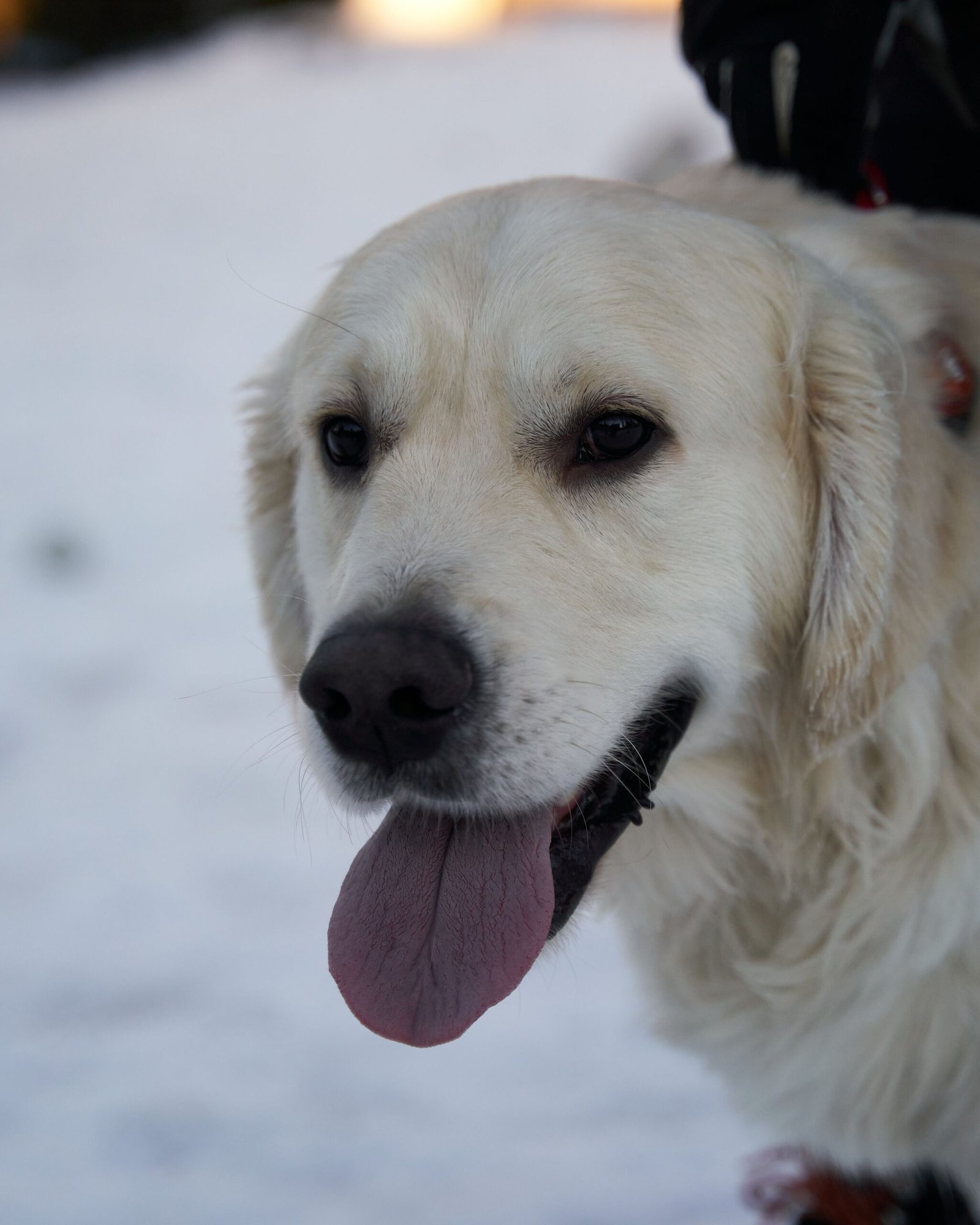
Retriever in snow: photo by Barnabas Davoti via Pexels (free licence).


3 Comments