Why Does My Puppy Stop Walking and Look at Me?
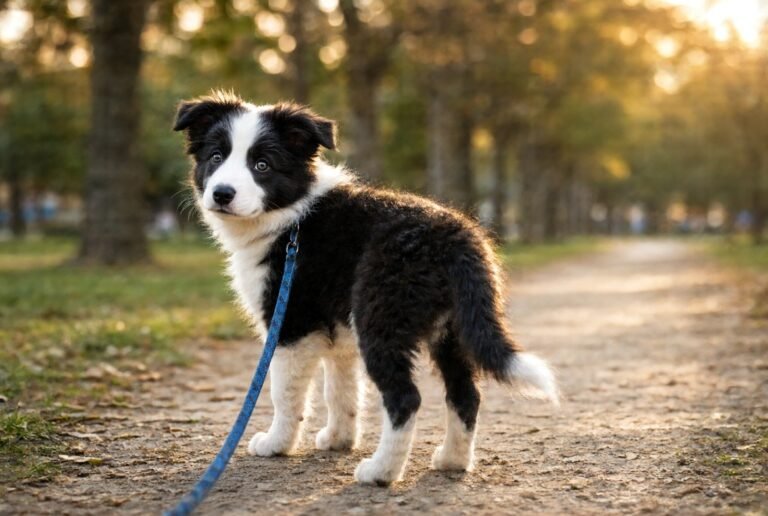
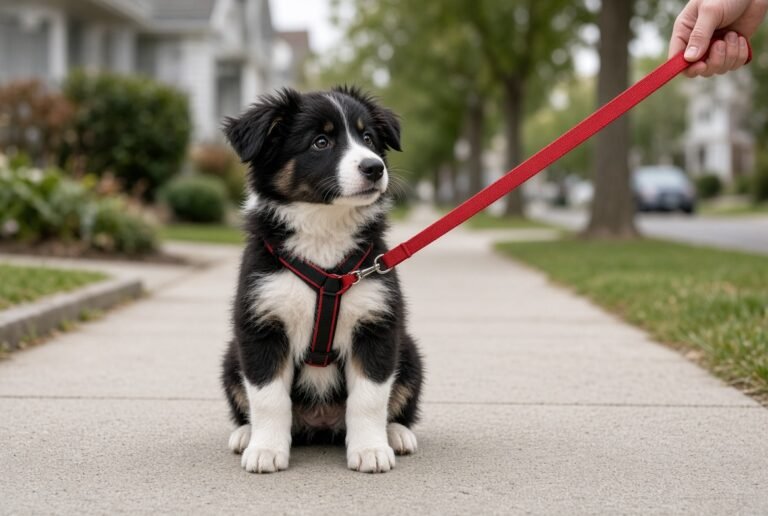
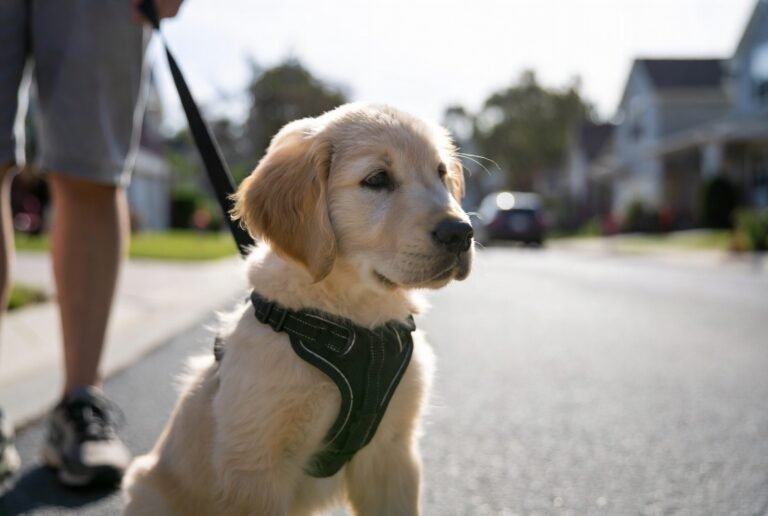
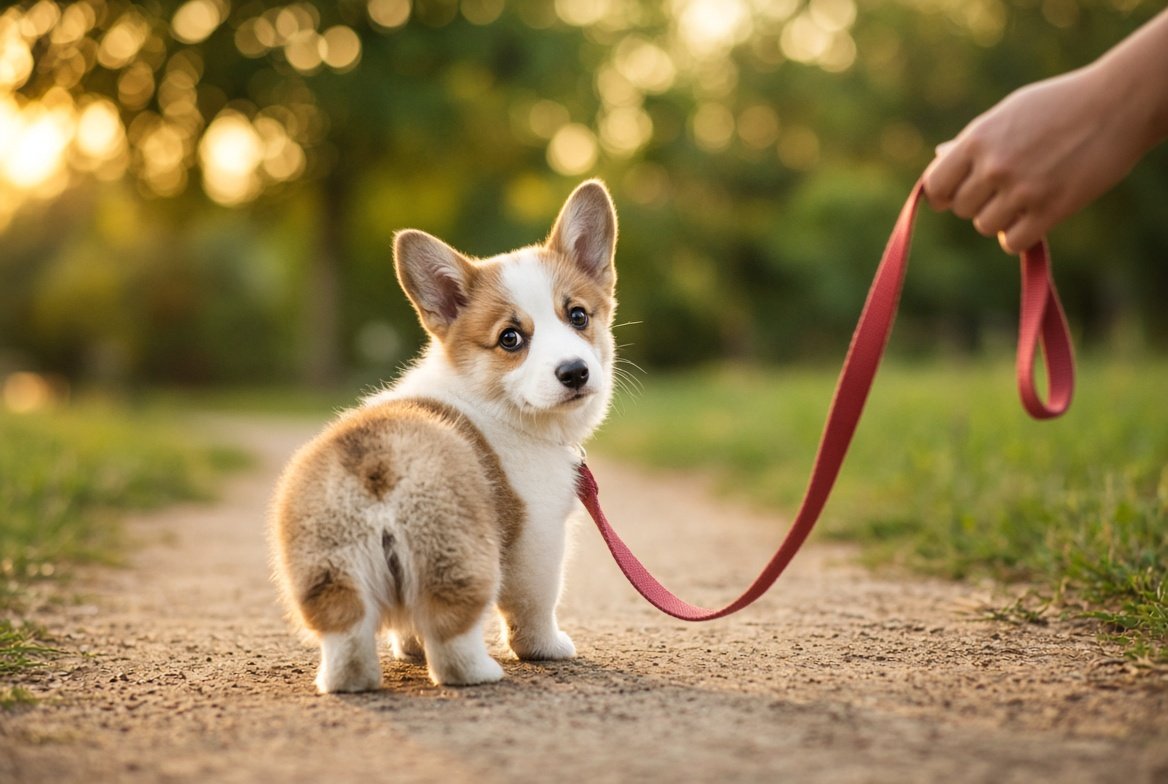
A few steps into a walk, your puppy suddenly stops, turns around, and looks straight at you. You wait. They wait. Then, just when you wonder what went wrong, they start walking again.
So, why does your puppy stop walking and look at you?
There isn’t one universal explanation. Your puppy may be checking in with you, reacting to something nearby, feeling uncertain, trying to understand the leash, wanting to sniff, or simply needing a break. The most useful clue is what happens immediately before and after the stop.
Puppies aren’t born knowing how to walk politely on a leash. Leash walking is a learned skill that develops through gradual practice, clear cues, and positive experiences.
Table of Contents
- Quick Answer: Why Does My Puppy Stop and Look at Me?
- Is It Normal for a Puppy to Stop During Walks?
- 7 Reasons Your Puppy Stops Walking and Looks at You
- How to Read Your Puppy’s Body Language
- What to Do When Your Puppy Stops
- A Simple Training Exercise for Better Walks
- Normal Stopping vs. a Potential Problem
- Common Leash-Walking Mistakes
- Expert Tips
- Myth vs. Fact
- When Should You Get Professional Help?
- Frequently Asked Questions
- Conclusion
Quick Answer: Why Does My Puppy Stop and Look at Me?
If you’re wondering, why does my puppy stop walking and look at me, the answer depends on the situation.
Your puppy may be:
| What you notice | What it may mean |
|---|---|
| Stops, looks at you, then walks on | Checking in or waiting for direction |
| Stops and watches something nearby | Curiosity or distraction |
| Stops near a person or dog | Excitement, curiosity, uncertainty, or concern |
| Stops only in busy places | The environment may be overwhelming |
| Stops when the leash becomes tight | The leash pressure may be uncomfortable or confusing |
| Stops to sniff | Normal exploration |
| Stops more as the walk continues | Tiredness or the walk may be too demanding |
| Suddenly refuses to move | A new fear, discomfort, or another problem may need attention |
The look itself doesn’t tell you exactly what your puppy is feeling. Body language, surroundings, timing, and what happens next provide much better clues.
Is It Normal for a Puppy to Stop During Walks?
Yes. Occasional stopping can be completely normal, particularly when a puppy is still learning what walking on a leash means.
A sidewalk contains sights, smells, sounds, people, vehicles, dogs, changing surfaces, and unfamiliar objects. For a young puppy, processing all of that while also following a leash is a lot to learn.
Leash walking is not an instinctive skill. Veterinary and training guidance recommends introducing the leash gradually, beginning in familiar environments and increasing distractions over time.
The more important question isn’t simply, “Why did my puppy stop?”
Ask:
What happened immediately before the stop, and what does my puppy do afterward?
A relaxed puppy that pauses, looks at you, sniffs, and continues walking is very different from a puppy that freezes, lowers their body, tries to retreat, or suddenly refuses to move.
7 Reasons Your Puppy Stops Walking and Looks at You
1. Your Puppy May Be Checking In With You
Sometimes your puppy simply looks at you for information.
During leash training, puppies can learn that paying attention to their person is rewarding. A puppy may stop, look toward you, and wait for your next cue because they are learning how to move through the environment with you.
This doesn’t mean every look is definitely a “check-in.” The same behavior can have several meanings depending on context.
For example, if your puppy stops, gives you a relaxed look, accepts a treat, and happily continues when you say “let’s go,” they may simply be looking to you for direction.
Rewarding voluntary attention and eye contact is a common part of positive leash training.
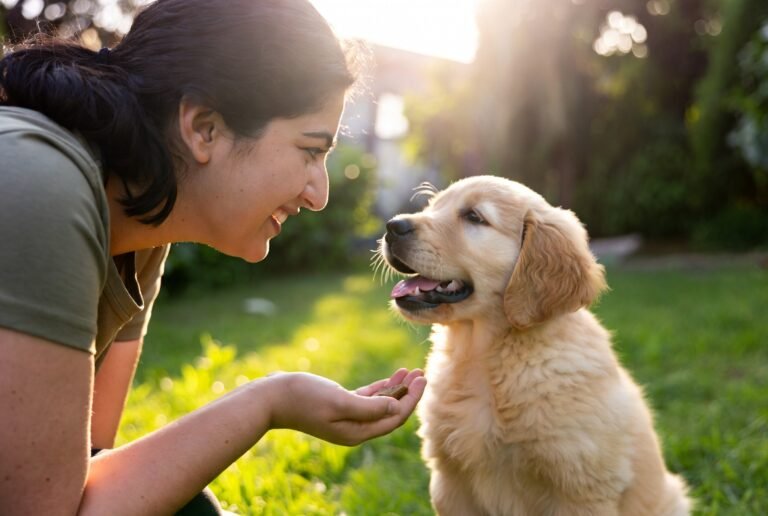
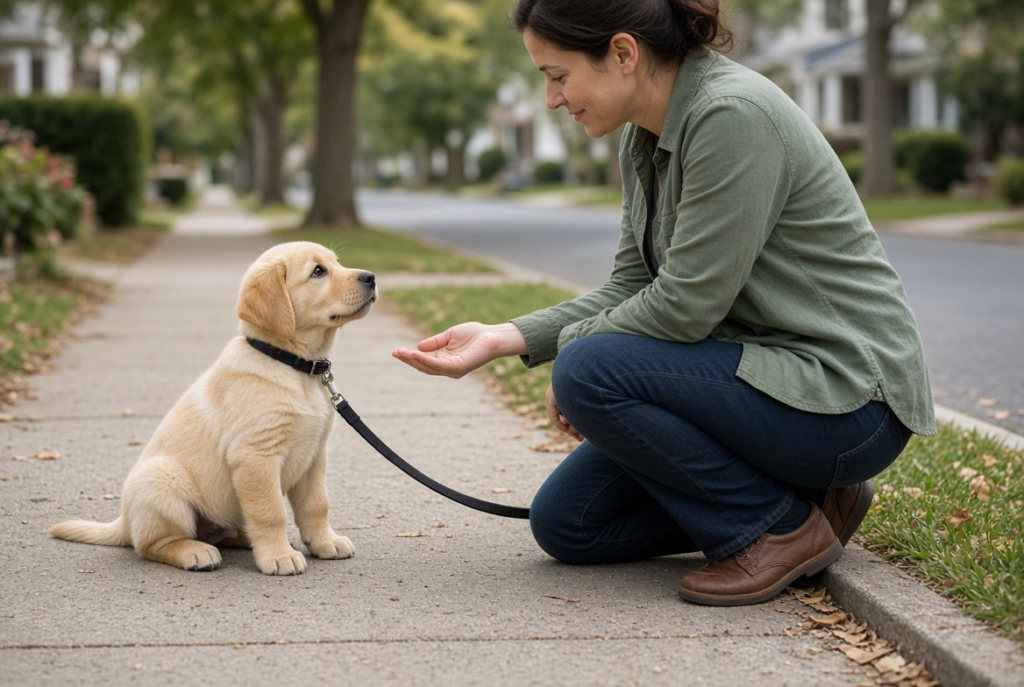
Training opportunity: When your puppy naturally looks at you, calmly mark the behavior with a word such as “yes” and immediately reward them. This teaches your puppy that paying attention to you has value.
2. Something Has Caught Your Puppy’s Attention
Your puppy may have spotted, heard, or smelled something you haven’t noticed.
A bird flying overhead, a cyclist passing, another dog, a strange sound, or an interesting smell can be enough to interrupt a young puppy’s walking rhythm.
If your puppy stops, looks toward something, and then looks back at you, pay attention to what is happening around them.
You don’t necessarily need to make them continue immediately. Give yourself a moment to identify the distraction and decide whether your puppy is curious, excited, or uncomfortable.
Real-world example: Your puppy suddenly stops near a driveway, looks toward a garbage truck, then looks at you. That’s very different from stopping because they are frightened of the leash itself.
3. Your Puppy Feels Unsure or Nervous
Some puppies stop walking because something outside feels unfamiliar or threatening.
You might notice:
- Body held low
- Ears pulled back
- Tail tucked or held unusually low
- Avoiding a person or object
- Trying to move backward
- Repeatedly looking toward the source of concern
- Refusing food they normally enjoy when the situation is stressful
One sign alone doesn’t prove fear. For example, refusing a treat can also happen because your puppy is distracted or simply doesn’t want that particular food. Look for a pattern of body-language changes and avoidance.
If your puppy is worried, don’t drag them toward the thing that scares them. Forced exposure can add pressure rather than helping the puppy feel comfortable. Gradual, positive exposure is recommended for puppies that are uncertain about outdoor experiences.
4. The Walk Is Too Stimulating
Fear and overstimulation aren’t exactly the same thing.
Fear may have a more specific trigger, while overstimulation can happen when several sights, sounds, smells, movements, and interactions become difficult for a puppy to process at once.
Your puppy may appear interested in everything but unable to decide what to do next. They may stop frequently, look around, change direction, or struggle to respond to familiar cues.
If your puppy walks reasonably well on a quiet street but repeatedly stops in a busy park, the environment itself may be the clue.
Pro tip: Increase difficulty gradually. If your puppy can focus in the house but struggles outside, practice in the yard or another quiet area before moving into a highly distracting environment.
5. Your Puppy Is Still Learning What the Leash Means
A puppy may understand how to walk freely but have no idea how to respond to a leash.
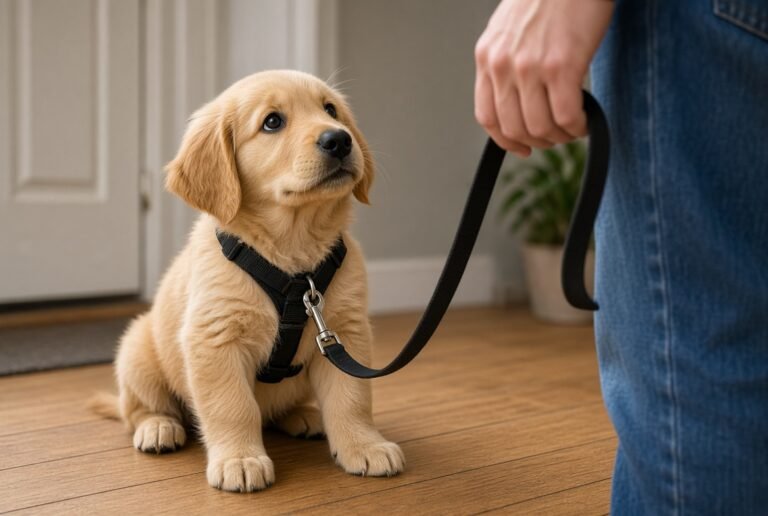
The equipment can also feel strange. A collar, harness, or leash adds sensations and restrictions your puppy has never experienced before. Some puppies freeze, back away, or sit down simply because they haven’t learned that wearing the equipment predicts something positive.
If your puppy stops as soon as the leash is attached, work on the equipment separately from the walk.
Start indoors. Put the leash on for short periods while offering praise, play, or small rewards. Then practice taking a few steps in a familiar space before asking for a longer walk.
This gradual approach is recommended by both AKC and veterinary guidance.
6. Your Puppy Wants to Sniff or Explore
Stopping doesn’t always mean something is wrong.
For a puppy, a walk is also an opportunity to investigate the environment. Smells provide information, and exploring safe surroundings is part of a normal walk.
If your puppy stops at a patch of grass, lowers their nose, and starts sniffing with a relaxed body, they may simply be interested in what’s there.
When the area is safe, reasonable opportunities to sniff and explore can be part of good leash training rather than something you need to prevent. AKC guidance also recommends allowing puppies opportunities to explore and sniff during walks.
You can teach both behaviors: “you may sniff here” and “let’s go” when it’s time to continue.
7. Your Puppy May Be Tired or Uncomfortable
A puppy that has been walking, learning, sniffing, and processing new experiences may need a break.
If stopping becomes more frequent toward the end of an outing while your puppy otherwise looks relaxed, tiredness may be contributing.
However, don’t automatically assume every sudden change is fatigue.
Pay closer attention if your puppy suddenly starts refusing to walk, repeatedly stops when they previously walked normally, limps, appears painful, struggles to keep up, or shows other unusual changes.
The concern is not simply that your puppy stopped. The concern is a new or persistent change accompanied by signs of discomfort or illness.
How to Read Your Puppy’s Body Language
When your puppy stops walking and looks at you, don’t focus on the eyes alone. Look at the entire body.
| What you see | What it may suggest |
| Loose body, relaxed face, takes treats | Curiosity, check-in, or normal pause |
| Ears forward, watching something | Interest or curiosity |
| Low body, ears back, trying to retreat | Uncertainty or fear |
| Looking around repeatedly | Distraction or overstimulation |
| Sniffing with relaxed body | Exploration |
| Sudden reluctance plus limping or pain signs | Possible physical discomfort |
These are clues, not diagnoses. Your puppy’s overall behavior and the situation matter more than any single body-language signal.
What to Do When Your Puppy Stops
If your puppy stops walking, avoid turning the moment into a tug-of-war.
Instead:
- Stop pulling the leash.
- Look around for the trigger.
- Check your puppy’s body language.
- Give your puppy a moment if they are simply observing or sniffing.
- Use a familiar cue such as “let’s go” when appropriate.
- Reward attention toward you or a few steps of relaxed movement.
- Create more distance from a distraction if your puppy looks worried.
- End the outing if your puppy seems tired or physically uncomfortable.
The goal isn’t to force your puppy to keep moving at all costs. It’s to teach them that walking with you is safe, understandable, and rewarding.
A Simple Training Exercise for Better Walks
The following exercise is for practice sessions, not for forcing a puppy through a difficult moment.
Start somewhere quiet.
Step 1: Reward attention
Stand beside your puppy with a loose leash. When your puppy looks at you, say “yes” and immediately give a small treat.
AKC recommends teaching a marker such as “yes” so the puppy learns that the word predicts a reward.
Step 2: Take one step
Take a single step forward. When your puppy follows, mark and reward.
Step 3: Build gradually
Try two steps, then three. Don’t rush to a long walk.
Step 4: Add a cue
Use a consistent cue such as “let’s go” before moving. The exact word matters less than using it consistently.
Step 5: Increase distractions slowly
Once your puppy can do this comfortably indoors, move to the yard or another quiet location. Only increase the difficulty when your puppy is ready.
Short, successful sessions are generally more useful than repeatedly pushing through an overwhelming situation.
Normal Stopping vs. a Potential Problem
Use the pattern to decide how seriously to take the behavior.
Usually not concerning
- Your puppy stops occasionally.
- Their body remains relaxed.
- They happily take treats.
- They sniff or look around.
- They respond to you.
- They resume walking after a brief pause.
- The behavior happens mainly in new environments.
Worth investigating
- The stopping is sudden and new.
- Your puppy repeatedly freezes.
- They seem frightened outside.
- They are trying to escape or retreat.
- They stop every time a particular trigger appears.
- They limp or show other signs of pain.
- They seem weak, unwell, or unusually reluctant to move.
- The behavior is getting worse rather than improving.
If the behavior is sudden or accompanied by possible signs of illness or pain, speak with your veterinarian rather than assuming it’s simply a training problem.
Common Leash-Walking Mistakes
Expecting adult behavior from a young puppy
A puppy is still learning the basics. Expecting a long, distraction-free walk immediately can create unnecessary frustration.
Making every stop a battle
Not every pause needs to be corrected. Sometimes your puppy is investigating the environment or processing something new.
Ignoring body language
A puppy that looks relaxed needs a different response from one that is frightened or trying to retreat.
Increasing difficulty too quickly
If your puppy succeeds in the living room but freezes on a crowded sidewalk, the answer may be to make training easier—not to demand more.
Pulling your puppy forward
Pulling or dragging a reluctant puppy doesn’t teach them why moving is safe. It adds leash pressure when what they may need is more space, clarity, or confidence. AKC guidance recommends positive training and avoiding forcing a reluctant puppy forward.
Expert Tips
- Reward voluntary attention. If your puppy looks at you during a walk, make that behavior worthwhile.
- Change one variable at a time. Don’t introduce a new harness, crowded park, long walk, and unfamiliar route all at once.
- Use distance strategically. If something overwhelms your puppy, moving farther away can make it easier for them to focus.
- Let safe sniffing happen. Exploration can be part of a successful walk.
- Keep early practice short. End while your puppy is still coping well rather than waiting for them to become overwhelmed.
- Watch patterns, not isolated moments. Repeated behavior tells you much more than one unexpected stop.
Myth vs. Fact
Myth: A puppy that stops is being stubborn.
Fact: Stopping can have many causes, including curiosity, uncertainty, distraction, fatigue, or simply not understanding leash walking yet.
Myth: You should pull your puppy forward when they refuse to move.
Fact: Pulling can increase pressure. First determine why the puppy stopped and adjust the situation when necessary.
Myth: A puppy should walk continuously without sniffing.
Fact: Safe opportunities to sniff and explore can be a useful part of a puppy’s walk and enrichment.
Myth: My puppy looking at me always means they are asking for help.
Fact: Looking at you can be a check-in, but it can also happen because your puppy is distracted, curious, uncertain, or waiting for a cue. Interpret the look together with the rest of their body language.
Myth: Longer walks automatically mean better leash training.
Fact: A short, successful training session can be more productive than pushing a puppy through a long or overwhelming outing.
When Should You Get Professional Help?
Some leash problems are simply part of puppyhood. Others benefit from professional guidance.
A qualified positive-reinforcement trainer may help if your puppy consistently struggles with leash walking, becomes fearful outdoors, or cannot make progress despite gradual training.
A veterinarian is the better starting point when stopping is sudden or accompanied by possible physical problems such as limping, obvious pain, weakness, or a significant change in normal behavior.
You don’t need to wait until the problem becomes severe before asking for help.
Frequently Asked Questions
Why does my puppy stop walking and look at me?
Your puppy may be checking in with you, waiting for direction, reacting to something nearby, feeling uncertain, or simply taking a pause. Look at what happened immediately before the stop and how your puppy behaves afterward.
Why does my puppy keep stopping on the leash?
Repeated stopping can happen because your puppy is still learning leash walking, becoming distracted, wanting to sniff, feeling overwhelmed, or finding the equipment or environment unfamiliar. The location and body language can help identify the likely reason.
Why does my puppy stop and stare on walks?
A puppy may stop and stare because something has caught their attention. It could be a sound, person, dog, movement, smell, or unfamiliar object. If their body is relaxed, curiosity may be more likely; if they appear tense or try to retreat, give them more space.
Why does my puppy stop when another dog approaches?
The response could reflect excitement, curiosity, uncertainty, or concern. Watch the whole body rather than assuming the puppy is friendly or frightened from the stop alone. If your puppy appears worried, increase distance and avoid forcing an interaction.
Why does my puppy walk at home but stop outside?
Outside environments are much more stimulating. Your puppy may understand the basic leash skill at home but struggle to use it around unfamiliar sights, sounds, smells, people, and animals. Gradually increase distractions instead of moving straight from a quiet room to a busy street.
Why does my puppy stop walking when the leash gets tight?
Some puppies find leash pressure confusing or uncomfortable. Instead of pulling harder, try keeping the leash loose, getting your puppy’s attention, and rewarding movement toward you. Teaching loose-leash skills gradually can make leash pressure easier to understand.
Why does my puppy stop when I say “let’s go”?
Your puppy may not yet understand the cue, or the surrounding environment may be more interesting than following you. Teach “let’s go” in a quiet place first, reward a few steps of movement, and gradually introduce distractions.
Why does my puppy stop walking but not look scared?
If your puppy has a relaxed body, is curious, accepts treats, sniffs, and resumes walking easily, the pause may simply be exploration, distraction, or a check-in. Not every stop signals fear.
Should I pick up my puppy when they refuse to walk?
Not automatically. First work out why the puppy stopped. If they are simply distracted or learning, calmly redirecting them may be appropriate. If they are frightened or appear physically uncomfortable, forcing the walk is not the right solution.
When should I worry about my puppy stopping on walks?
Pay closer attention when stopping is sudden, persistent, worsening, or accompanied by limping, pain, weakness, illness signs, or significant fear. In those situations, contact your veterinarian or an appropriately qualified behavior professional depending on the concern.
Conclusion
If you’re still wondering, why does my puppy stop walking and look at me, remember that the look itself isn’t the whole answer.
Your puppy may be checking in with you, noticing something interesting, feeling uncertain, learning how the leash works, wanting to explore, or simply needing a pause. The most useful clue is the pattern around the behavior.
Watch what happens immediately before and after your puppy stops. Look at their body language, consider the environment, and adjust the difficulty when necessary.
Reward the behaviors you want, keep early training manageable, allow safe opportunities to sniff and explore, and avoid turning every stop into a struggle.
Your puppy doesn’t need to master every walk immediately. They need repeated experiences that teach them that staying connected with you, moving forward, and exploring the world can all be positive parts of the same walk.