Why Does My Dog Refuse to Walk in the Rain? Causes & Solutions
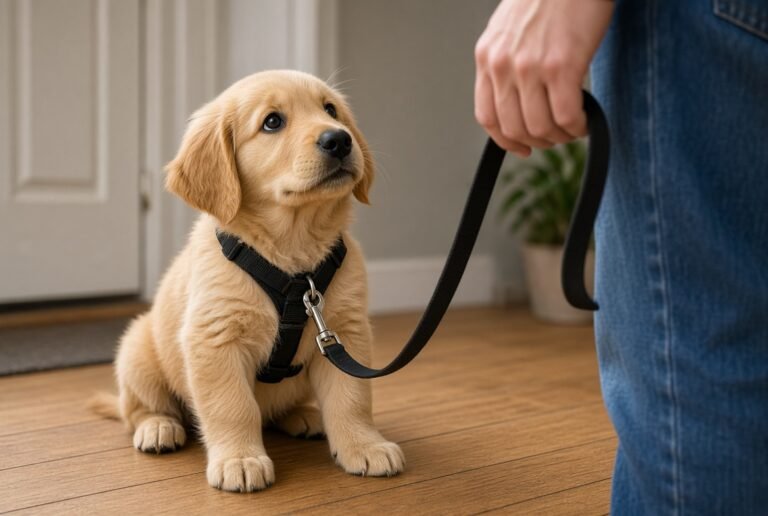
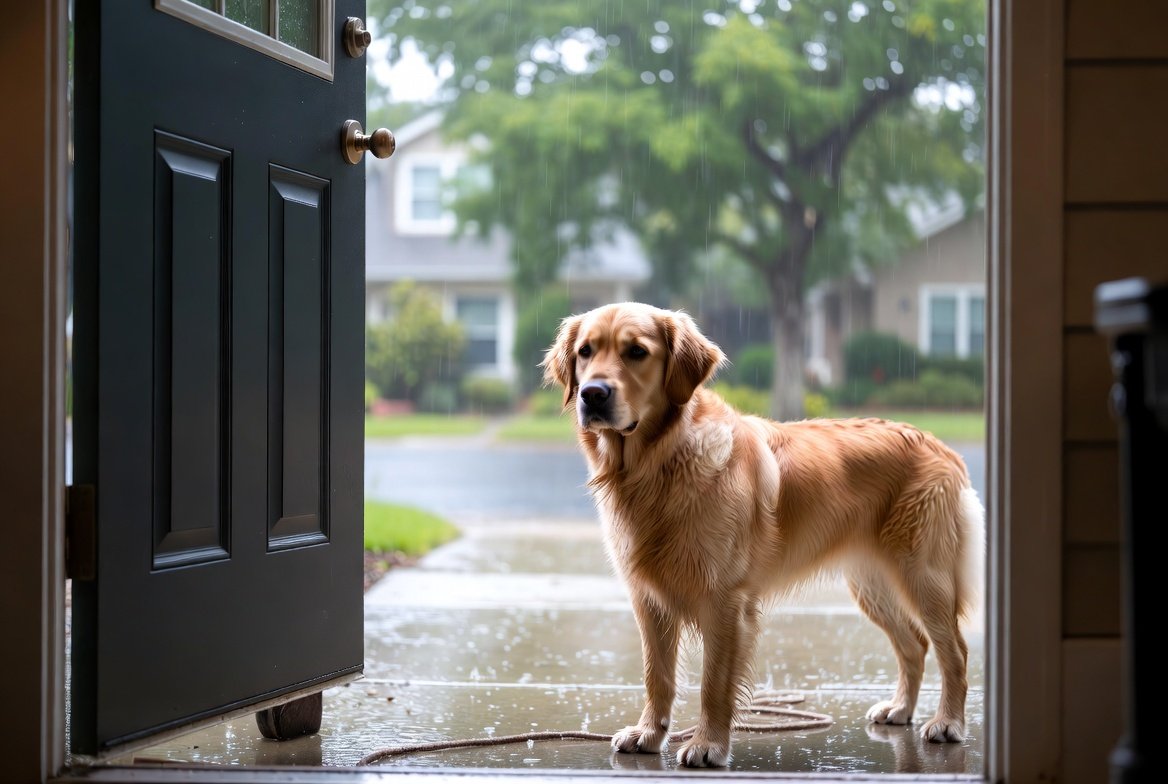
You grab the leash, open the front door, and your dog suddenly plants all four paws on the floor. No amount of encouragement seems to help. Maybe they stare at the rain, turn around, or pull straight back toward the house.
It’s easy to think your dog is being stubborn.
In reality, most dogs that refuse rainy walks aren’t misbehaving—they’re reacting to something that feels uncomfortable, confusing, or even frightening.
For one dog, it’s the feeling of cold water soaking their paws. Another may be startled by the sound of heavy rain on rooftops. Some dogs become nervous when umbrellas appear, shiny wet pavement reflects unfamiliar lights, or strong winds carry strange scents. Others associate rain with an unpleasant memory, such as thunder or slipping on wet ground.
The encouraging news is that most dogs can become more comfortable with rainy walks through gradual training, positive experiences, and understanding the real cause behind their behavior. Current reward-based training guidance emphasizes changing your dog’s emotional association with bad weather instead of forcing them outside.
Whether your dog won’t walk in the rain, seems anxious every time dark clouds appear, or simply hates getting wet, this guide explains why it happens and exactly what you can do about it.
Table of Contents
- Quick Answer
- Why Dogs Learn to Fear Rain
- Why Rain Feels Different to Dogs
- 9 Reasons Your Dog Refuses Rainy Walks
- Is It Fear, Discomfort, or Stubbornness?
- How to Build Rain Confidence
- Rain Gear: Does It Really Help?
- When to Call Your Veterinarian
- Indoor Alternatives
- Common Mistakes
- Expert Tips
- Myth vs Fact
- FAQs
- Conclusion
Quick Answer
Why Does My Dog Refuse to Walk in the Rain?
Dogs usually refuse rainy walks because rain changes how the world feels, sounds, and smells. Wet paws, cold temperatures, wind chill, thunder, slippery surfaces, unfamiliar scents, previous frightening experiences, or even painful joints can all make walking outside uncomfortable. Instead of forcing your dog, use gradual exposure, rewards, and positive reinforcement to help them feel safe and confident. If a dog that previously loved rainy walks suddenly refuses, pain or an underlying medical issue should also be considered.
Why Dogs Learn to Fear Rain
Dogs aren’t born afraid of rain.
Most learn to dislike it through experience.
Behaviorists describe this as classical conditioning—a process where a dog begins linking rain with something unpleasant.
For example:
- A thunderstorm frightened them.
- They slipped on wet pavement.
- Cold rain soaked their coat.
- Loud traffic splashed water nearby.
After enough negative experiences, even light drizzle may trigger hesitation.
Fortunately, dogs can also build positive associations.
When rainy walks consistently include praise, treats, games, or favorite activities, many dogs gradually replace fear with confidence. This approach aligns with modern reward-based training recommendations from AKC trainers.
Why Positive Reinforcement Changes Behavior
Instead of thinking:
“Rain means something scary.”
Your dog slowly begins thinking:
“Rain means chicken treats, praise, and fun sniffing games.”
That emotional shift—not forcing the walk—is what creates lasting progress.
Why Rain Feels Different to Dogs
Humans usually notice one thing:
“It’s raining.”
Dogs notice dozens.
Rain changes almost every part of their environment.
They experience:
- Cold water hitting sensitive ears and whiskers.
- Wet grass between their toes.
- Strong winds carrying unfamiliar scents.
- Shiny reflections on roads and sidewalks.
- People wearing umbrellas, raincoats, and hoods.
- Louder echoes from traffic and buildings.
- Reduced visibility caused by falling rain.
What seems like a normal rainy afternoon to us can feel like an entirely unfamiliar world to a cautious dog.
Real-Life Example
Bella happily walked every morning until one summer storm caught her outside. Thunder cracked overhead, a passing truck splashed water beside her, and she ran home frightened.
A week later, Bella froze at the front door during nothing more than a light drizzle.
Her owner didn’t force her.
Instead, they spent several weeks rewarding short outdoor sessions during gentle rain. Little by little, Bella rebuilt her confidence and eventually enjoyed normal walks again.
9 Reasons Your Dog Refuses Rainy Walks
1. Wet Paws Feel Uncomfortable
Many dogs dislike the feeling of wet grass, muddy trails, or puddles.
Some carefully avoid every puddle they see.
Others refuse to take even one step once their paws become wet.
Dogs with sensitive feet often improve when walks begin on dry sidewalks before gradually introducing wetter surfaces.
2. Cold Rain and Wind Chill Make Walking Unpleasant
Rain doesn’t just make dogs wet.
It also lowers body temperature.
Small breeds, senior dogs, lean breeds, puppies, and short-haired dogs often lose heat more quickly.
Strong wind makes this even worse by increasing the cooling effect on wet fur.
A properly fitted waterproof coat may improve comfort for dogs that struggle with cold weather.
3. Thunder and Rain Aren’t Always the Same Fear
Some dogs dislike the sensation of rain.
Others are actually reacting to thunder.
Learning the difference helps you choose the right solution.
| If Your Dog… | The Likely Cause |
|---|---|
| Walks during light drizzle but refuses thunderstorms | Noise anxiety |
| Refuses even quiet rain | Sensory discomfort or dislike of getting wet |
| Freezes after hearing thunder | Storm-related fear |
| Walks happily once rain stops | Rain itself is the trigger |
Understanding what your dog is reacting to makes training far more effective.
4. Your Dog Had a Bad Experience Before
Dogs have excellent associative memories.
They may not remember every detail of an event, but they often remember how it made them feel.
One unpleasant experience can change how they react to rainy weather for months—or even years.
Examples include:
- Being caught in a thunderstorm
- Slipping on wet pavement
- Getting splashed by a passing vehicle
- Hearing a loud clap of thunder during a walk
- Becoming separated from their owner outside
Your dog isn’t remembering the rain itself—they’re remembering the emotion connected to it.
Real-Life Example
Charlie loved rainy walks until a bicycle suddenly skidded past him on a wet path. He wasn’t injured, but the experience frightened him. For several weeks afterward, he refused to leave the porch whenever the ground was wet.
His owner gradually rebuilt Charlie’s confidence with short walks during light drizzle, rewarding every calm step. Eventually, rain no longer predicted something scary.
5. Rain Changes Familiar Smells
Dogs experience the world primarily through their noses.
Rain dramatically changes the scent landscape.
Some familiar smells disappear.
Others become much stronger.
For confident dogs, this creates an exciting adventure.
For cautious dogs, it can make the environment feel unfamiliar and unpredictable.
This is one reason many dogs stop frequently to sniff during rainy walks.
Allowing safe sniffing isn’t a distraction—it often helps dogs gather information and feel more secure. Enrichment through sniffing is widely encouraged because it supports natural canine behavior and can reduce stress.
6. Their Harness or Rain Gear Feels Uncomfortable
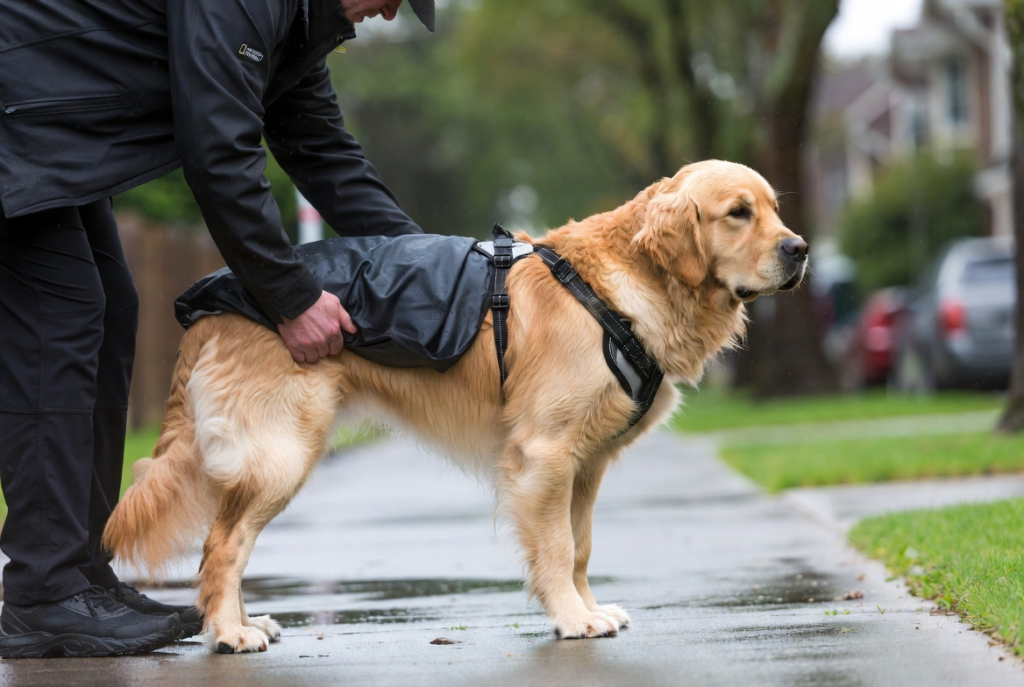
Sometimes the rain isn’t the real problem.
The equipment is.
A wet harness may become heavier.
A poorly fitted raincoat can restrict shoulder movement.
Boots that haven’t been introduced gradually may feel strange enough to stop a dog from walking.
Quick Equipment Checklist
Before blaming the weather, ask yourself:
- Does the harness rub under the front legs?
- Is the raincoat too tight around the shoulders?
- Are the boots causing an awkward gait?
- Does your dog walk normally without the extra gear?
AKC recommends introducing coats and boots indoors first with treats and praise so dogs build positive associations before wearing them outside.
7. Pain Feels Worse in Cold, Damp Weather
If an older dog suddenly refuses rainy walks, don’t assume it’s a training issue.
Cold, damp conditions may make existing discomfort more noticeable.
Pain can affect:
- Hips
- Knees
- Lower back
- Shoulders
- Paws
This doesn’t mean rain causes arthritis, but it may make existing joint problems feel more uncomfortable for some dogs.
Warning Box
🚩 If your dog happily walked in the rain for years but suddenly refuses, schedule a veterinary examination before starting new training.
Behavior changes that appear overnight deserve medical attention first.
8. Some Dogs Simply Don’t Like Getting Wet
Just like people, dogs have individual preferences.
One Labrador may dive into every puddle.
Another Labrador may avoid even damp grass.
Some dogs enjoy swimming but dislike rain because water constantly falls on their face and ears.
Others happily play in snow but dislike cold rain.
Personality matters just as much as breed.
9. Your Dog Learned That Refusing Works
Dogs quickly recognize patterns.
Imagine this routine:
- It starts raining.
- Your dog stops walking.
- You immediately head home.
From your dog’s perspective:
“If I stop walking, the rainy walk ends.”
This isn’t manipulation.
It’s simple learning.
Instead of pulling your dog forward, reward even tiny moments of progress.
One step.
Then two.
Then five.
Small successes create lasting confidence much faster than force. Building positive associations rather than dragging or forcing a reluctant dog is the approach recommended by AKC trainers.
Is It Fear, Discomfort, or Stubbornness?
Many owners describe a dog that refuses rainy walks as stubborn.
In reality, stubbornness is rarely the best explanation.
Dogs repeat behaviors that help them feel safe, avoid discomfort, or produce a rewarding outcome.
Understanding why your dog stops walking helps you choose the right solution.
| What You See | Most Likely Cause | Best Response |
|---|---|---|
| Freezes at the doorway | Fear or uncertainty | Stay calm, reward one step at a time |
| Pulls back toward home | Wants safety | Short positive walks |
| Refuses wet grass only | Sensory discomfort | Use paved or covered routes |
| Tail tucked, ears back | Anxiety | Reduce pressure and build confidence |
| Walks once rain stops | Doesn’t like getting wet | Practice during light drizzle |
Learn to Read Your Dog’s Body Language
Your dog’s body language often tells you how they feel long before they refuse to walk.
Watch for:
- Tail tucked tightly
- Ears pinned back
- Lip licking without food
- Repeated yawning
- Shaking despite light rain
- Refusing favorite treats
- Constantly looking toward home
- Slow, hesitant movement
A relaxed dog usually:
- Walks with a loose body posture.
- Accepts treats.
- Sniffs confidently.
- Shows curiosity about the environment.
Reading these signals early allows you to adjust the walk before stress becomes overwhelming.
How to Help Your Dog Feel Comfortable Walking in the Rain
There’s no overnight fix.
Confidence develops through many small, positive experiences.
The goal isn’t to make your dog love rain immediately—it’s to help them feel safe enough to walk calmly despite it.
Modern reward-based training focuses on changing your dog’s emotional response instead of forcing them into situations they fear.
Step 1: Start With Light Drizzle Instead of Heavy Rain
Choose the easiest conditions possible.
Light drizzle is much less overwhelming than a thunderstorm or heavy downpour.
Early success builds confidence.
Trainer Tip
If rain is heavy, skip formal training that day and use indoor enrichment instead.
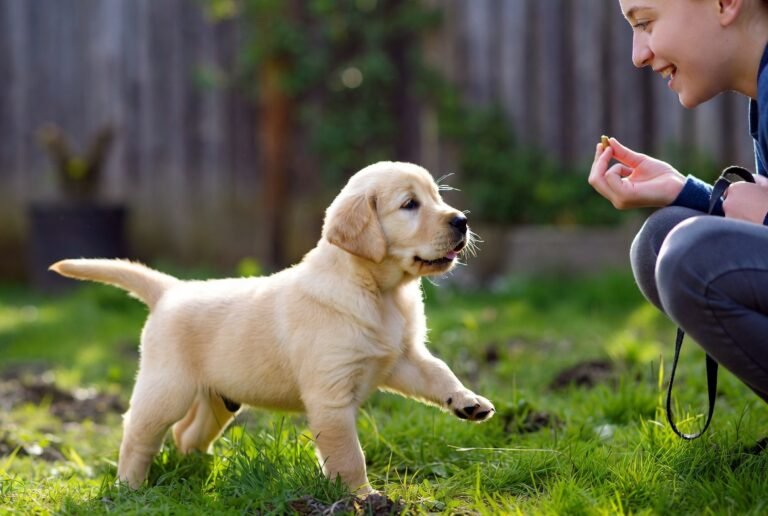
Step 2: Reward Every Brave Choice
Don’t wait until your dog completes an entire walk.
Reward:
- Looking outside
- Standing on the porch
- Taking one step
- Walking onto damp pavement
- Calm sniffing
Every small success deserves recognition.
High-value treats like chicken or cheese often work better than everyday kibble.
Step 3: Let Your Dog Sniff
Many owners accidentally rush rainy walks.
For dogs, sniffing isn’t wasting time.
It’s information gathering.
Allowing controlled sniffing helps many nervous dogs process their surroundings and lowers stress levels.
Step 4: Choose Easier Walking Routes
Your first rainy walks don’t have to happen in the hardest environment.
Good beginner locations include:
- Covered sidewalks
- Tree-lined streets
- Parking garages that allow pedestrians
- Covered apartment walkways
- Quiet residential roads
Reducing discomfort helps confidence grow faster.
Step 5: Keep Walks Short
A five-minute positive walk is far more valuable than a stressful thirty-minute walk.
Finish while your dog is still comfortable.
That leaves a positive memory for next time.
Step 6: Gradually Increase the Challenge
Once your dog feels relaxed:
- Walk a little farther.
- Practice during slightly heavier rain.
- Visit new routes.
- Slowly reduce treat frequency while continuing praise.
Variable rewards help maintain reliable behavior over time without needing a treat for every step.
Four-Week Confidence Plan
| Week | Goal | Success Sign |
|---|---|---|
| Week 1 | Calm porch practice | Steps outside willingly |
| Week 2 | Short drizzle walks | Walks comfortably for 2–5 minutes |
| Week 3 | Longer neighborhood walks | Minimal hesitation and accepts treats |
| Week 4 | Different rainy routes | Walks calmly with normal sniffing behavior |
Every dog progresses differently.
Some need only a few days.
Others may require several weeks.
Loose Leash Walking vs Simply Getting Outside
Many owners try teaching perfect leash manners during rainy weather.
That’s usually too much.
| Goal | Priority During Rain |
|---|---|
| Walking calmly outside | High |
| Perfect heel position | Low |
| Confidence around rain | Highest |
| Advanced obedience | Save for dry weather |
Build confidence first.
Perfect leash manners can come later.
Does Rain Gear Really Help?
Sometimes.
Sometimes not.
Raincoats
Helpful for:
- Small breeds
- Short-coated dogs
- Senior dogs
- Dogs that dislike water on their back
Introduce a raincoat indoors first using treats and praise before expecting your dog to wear it outside.
Dog Boots
Boots may help dogs that dislike:
- Wet grass
- Cold sidewalks
- Mud
- Road salt during winter
However, boots should never be forced.
Many dogs need several short indoor practice sessions before they’re comfortable walking naturally.
What If Your Dog Won’t Pee in the Rain?
This is one of the most common rainy-day problems.
Instead of waiting outside for long periods:
- Choose a sheltered potty area if possible.
- Use a consistent potty cue.
- Reward immediately after your dog finishes.
- Return indoors once they’ve gone.
Over time, your dog learns that going to the bathroom quickly leads to praise and getting back inside.
Dogs With Severe Storm Anxiety
Some dogs aren’t afraid of rain.
They’re afraid of storms.
Signs include:
- Trembling
- Panting
- Hiding
- Drooling
- Trying to escape
- Refusing treats
These dogs often need more than basic leash training.
A veterinarian or qualified behavior professional can help create a structured behavior-modification plan. In severe cases, medication may be recommended alongside training—not as a replacement for it.
Rain Refusal Decision Guide
| If Your Dog… | Try This |
|---|---|
| Takes treats outside | Continue short positive sessions |
| Freezes but stays calm | Wait patiently and reward one step |
| Pulls toward home repeatedly | Shorten the walk and try again later |
| Refuses treats and shakes | End the session and reduce the difficulty next time |
| Suddenly refuses after years of normal walks | Schedule a veterinary examination |
Indoor Activities for Rainy Days
If heavy rain makes outdoor walks stressful, don’t assume your dog has to spend the entire day bored.
Mental exercise can be just as tiring as physical exercise for many dogs.
Try activities like:
- Scatter feeding around the house
- Food puzzle toys
- Short obedience sessions
- Hide-and-seek
- Nose work games
- Tug or fetch in a hallway
- Frozen food toys
- Trick training
These activities help burn energy while keeping your dog’s brain engaged. Shorter outdoor potty breaks combined with indoor enrichment are often recommended when weather conditions are particularly unpleasant.
Common Mistakes Owners Make
Avoid these common errors if your dog won’t walk in the rain:
- Pulling or dragging your dog forward.
- Punishing fearful behavior.
- Starting training during a thunderstorm.
- Expecting long walks immediately.
- Ignoring signs of stress.
- Using poorly fitted rain gear.
- Skipping rewards once progress begins.
- Assuming every dog should enjoy rain.
Building confidence takes patience, not pressure.
Expert Tips
- Practice during light rain before tackling heavy showers.
- Keep high-value treats just for rainy walks.
- End every session on a positive note.
- Allow sniffing to reduce stress.
- Dry your dog’s paws and coat after every walk.
- Keep training sessions short but consistent.
- Watch the weather forecast and avoid severe storms whenever possible.
Myth vs Fact
| Myth | Fact |
|---|---|
| My dog is just stubborn. | Fear, discomfort, or confusion is usually a more likely explanation. |
| Pulling the leash teaches confidence. | Forcing a fearful dog often increases anxiety. |
| Raincoats work for every dog. | Some dogs benefit, while others need gradual introduction or may not like wearing them. |
| Every dog should enjoy rainy walks. | Individual personality, breed, age, health, and past experiences all influence comfort levels. |
Frequently Asked Questions
Why does my dog only refuse heavy rain?
Heavy rain often comes with stronger wind, louder sounds, reduced visibility, and sometimes thunder, making it much more overwhelming than light drizzle.
Why does my dog run back home when it rains?
Your dog is usually seeking a place where they feel safe. This behavior is commonly driven by fear or discomfort rather than disobedience.
Why does my dog shake after walking in the rain?
Shaking helps remove excess water from the coat. If your dog also trembles, hides, or pants, they may be cold or anxious rather than simply drying off.
My dog won’t pee in the rain. What should I do?
Use a sheltered potty spot, keep potty breaks short, reward immediately after success, and gradually build positive associations with rainy weather.
Do dog boots really help?
For some dogs, yes. Boots can make wet or cold ground feel less uncomfortable, but they should be introduced gradually and fit properly.
Should I walk my dog during a thunderstorm?
If lightning or severe weather is present, it’s safer to keep walks brief or postpone them when possible. Use indoor enrichment until conditions improve.
Can puppies be afraid of rain?
Yes. Puppies are still learning about the world, so calm introductions, rewards, and positive experiences help prevent long-term fear.
When should I see a veterinarian?
If your dog suddenly refuses rainy walks after years of enjoying them, shows signs of pain, or experiences severe anxiety, arrange a veterinary examination before assuming it’s a training issue.
Conclusion
If you’ve been wondering, “Why Does My Dog Refuse to Walk in the Rain?“, the answer is rarely as simple as stubbornness. Your dog may be reacting to cold, wet paws, unfamiliar sights and sounds, past experiences, physical discomfort, or genuine anxiety.
The good news is that most dogs can learn to feel more comfortable with rainy walks through patience, positive reinforcement, and gradual exposure. Celebrate every small success—whether it’s stepping onto a damp sidewalk or calmly walking for a few minutes in light drizzle.
Every confident step your dog takes in the rain is progress. Focus on building trust instead of covering distance, and over time, rainy walks can become just another enjoyable part of your routine.