
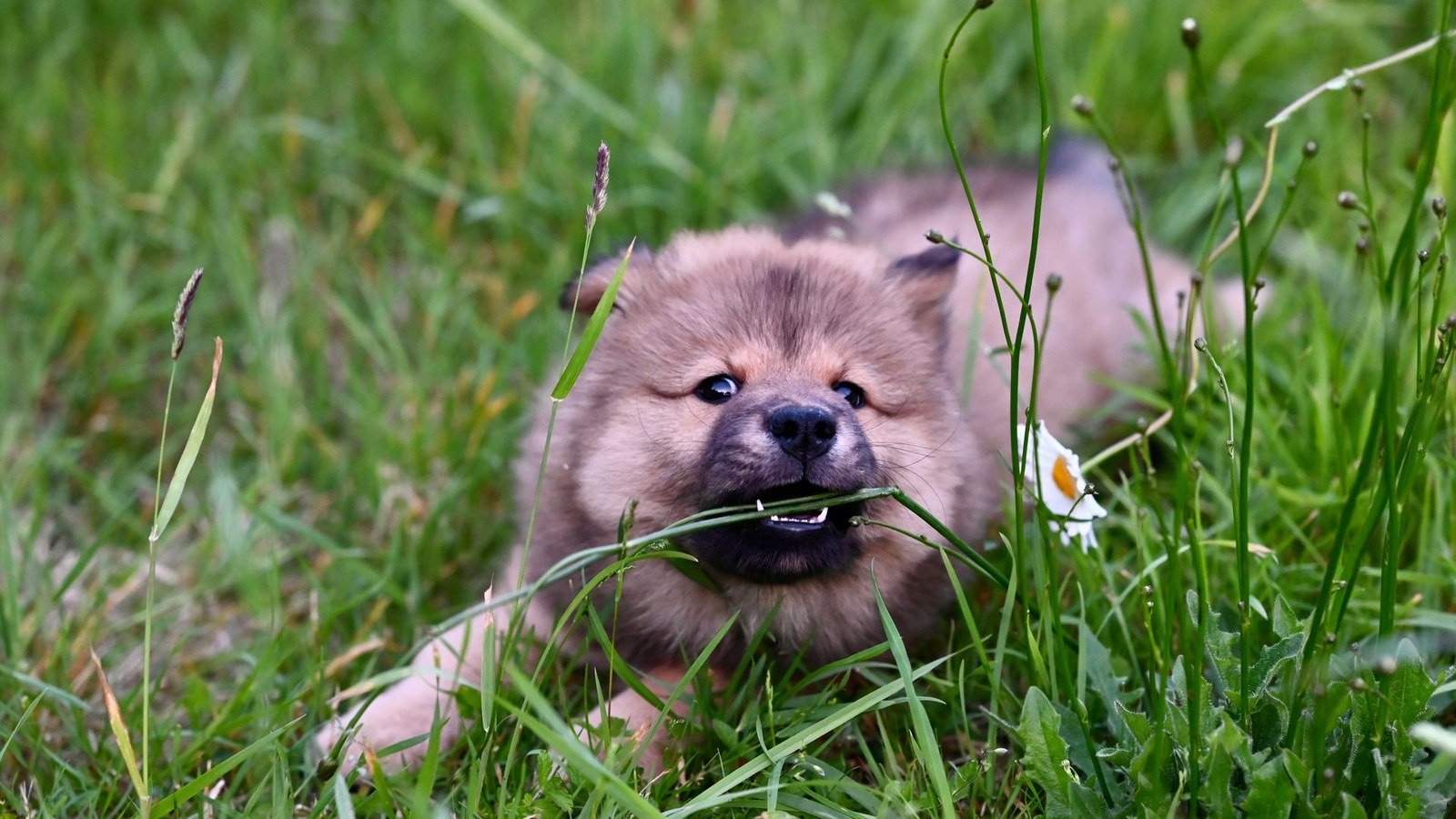
Why Does My Dog Eat Grass? 6 Reasons & When to Worry
Grass-eating is normal for most dogs. Here are the 6 common reasons dogs eat grass, how much is too much, and the warning signs that mean a vet visit.
Your dog drops its head on a walk, tears up a mouthful of grass, and chews it like a cow. It is one of the most common things owners see, and one of the most worrying. So why does my dog eat grass — is it normal, or is something wrong?
Quick Answer
Most dogs eat grass because it is normal, instinctive behaviour, not because they are ill. Fewer than 1 in 4 dogs vomit after eating grass (VCA), and most show no sign of stomach upset before they graze. Clean, untreated grass is usually safe in small amounts. Sudden, frantic grazing, repeated vomiting, diarrhoea, lethargy or appetite loss needs a vet.
Is It Normal for Dogs to Eat Grass?
Yes. For most dogs, eating grass is normal behaviour. VCA Animal Hospitals reports that fewer than 25% of dogs vomit after eating grass, and only about 10% show any sign of illness before they graze. A small study from the UC Davis School of Veterinary Medicine, cited by the American Kennel Club, found similar numbers: about 22% of dogs frequently vomited after eating grass, and only 9% frequently seemed ill beforehand.
Wild relatives do it too: grass turns up in the stool of 11% to 47% of wolves in studies quoted by VCA. The honest answer is that nobody knows the exact reason for sure, and the research is limited. What the evidence does show is that most grass-eating dogs are healthy dogs.
So if your dog calmly nibbles grass now and then, eats and drinks as usual, and has normal stools, there is usually nothing to fix. The sections below explain the common reasons — and the signs that change the answer.
6 Reasons Dogs Eat Grass
These are the six reasons vets and behaviourists see most often.
1. Instinct
Dogs are descended from animals that ate whole prey, including the plant matter in their stomachs. Grazing may simply be an old habit that never left. This is the explanation VCA puts first, and it fits the numbers: most dogs graze, most are not ill.
2. Taste and texture
Some dogs just like it. Fresh spring grass is sweet and soft, and many dogs pick at it the way they would chew a stick. If your dog grazes slowly, looks relaxed, and only takes a few blades, taste is the most likely reason.
3. Fibre
Grass is mostly fibre and water, and dogs cannot really digest it — it passes through largely unchanged. Fibre still helps move food through the gut, so some dogs may seek it out. VCA notes that eating non-food items (called pica) can be linked to nutrient-deficient diets, but dogs on a balanced commercial diet should not be lacking anything. If your dog has gone off its food as well, our guide to why a dog stops eating covers what to check first.
4. Boredom or anxiety
A dog left alone in a garden with nothing to do may graze the way a person bites their nails. Stress can play a part too — the same dog may also show heavy panting when stressed. More exercise, play and chew toys often reduce this kind of grazing.
5. An upset stomach
Some dogs graze when their stomach feels off, and a few vomit afterwards. But most dogs show no stomach signs before grazing, and most do not vomit after it. Grass-eating alone does not mean your dog is sick.
6. Hunger or curiosity
Dogs explore the world with their mouths. A dog that has not eaten for many hours, or a young dog meeting grass for the first time, may simply be testing it. One study found dogs were more likely to eat grass when hungry and at certain times of day.
Do Dogs Eat Grass to Make Themselves Vomit?
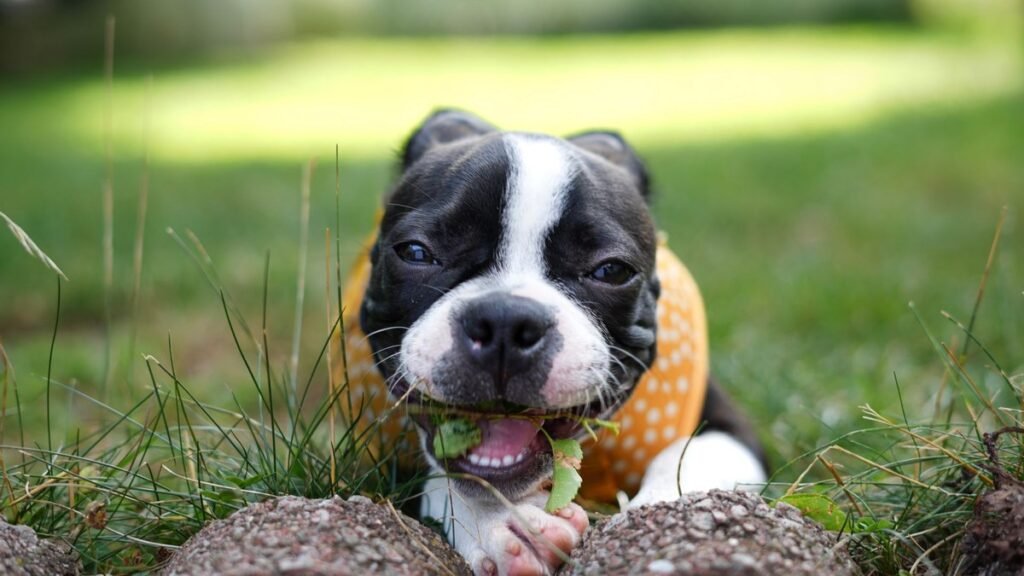
Probably not. This is the most common myth about grass-eating. Surveys of dog owners and vet students found that almost all dogs ate grass at some point, almost none regularly vomited afterwards, and most had shown no illness before. VCA reaches the same conclusion: it is unlikely dogs eat grass as a way to treat themselves.
When a dog does vomit after grazing, the grass itself may irritate the stomach lining — grass blades are not digested, and they can tickle the throat and stomach on the way through. The vomiting is a side effect.
If the vomiting keeps happening, see our guide to why a dog keeps throwing up.
Should You Let Your Dog Eat Grass?
It depends on the grass, not the dog. Clean grass that has not been sprayed, in a place where other animals do not toilet heavily, is generally fine in the small amounts most dogs take. VCA’s advice is simple: if occasional grazing does not make your dog sick and you keep up parasite prevention, there is no need to worry.
Stop your dog if the grass may have been treated with weed killer, pesticide or fertiliser. These chemicals can be toxic. Warning signs of pesticide poisoning include excessive drooling, nausea, vomiting, diarrhoea and loss of appetite — if you suspect exposure, contact a vet straight away and take the product label with you if you can.
Grass can also carry parasite eggs from animal faeces, including hookworms and roundworms, and in rare cases parvovirus. Regular worming and picking up after your dog keep this risk low. Also watch for sharp grass seeds (awns) in long grass in summer, which can work into ears, paws and skin.
How Much Grass Is Too Much?
There is no safe number of blades, because the risk is not really about quantity — it is about behaviour and symptoms. A few mouthfuls now and then is normal. Grazing that is sudden, frantic, obsessive or much heavier than usual is a change worth a vet call.
Very large amounts of long grass can clump together in the stomach or gut and, in rare cases, cause a blockage — especially if the dog also eats other non-food items. If your dog is gulping grass by the mouthful, or grazing every time it goes outside, treat that as a sign to investigate rather than a habit to ignore.
Why Does My Dog Eat Grass in the Morning?
Morning grazing often goes with an empty stomach. The American Kennel Club describes a pattern where a dog vomits yellow foam first thing in the morning: the yellow colour is bile, and it usually means the stomach has been empty for a long time. Some dogs eat grass at this time, vomit the bile, and then seem fine and hungry.
If this happens often, ask your vet whether a small late-evening meal or shorter gaps between meals would help. Do not change feeding times on your own if your dog has a medical condition — a quick vet chat comes first.
Why Is My Dog Suddenly Eating Grass Frantically?
A sudden change usually means something is wrong inside: stomach discomfort, reflux, inflammatory bowel disease or pancreatitis — conditions VCA lists as reasons to see a vet. A dog that has never grazed and now tears at grass frantically, or a calm grazer that becomes obsessive, should never be ignored.
Why Do Puppies Eat Grass?
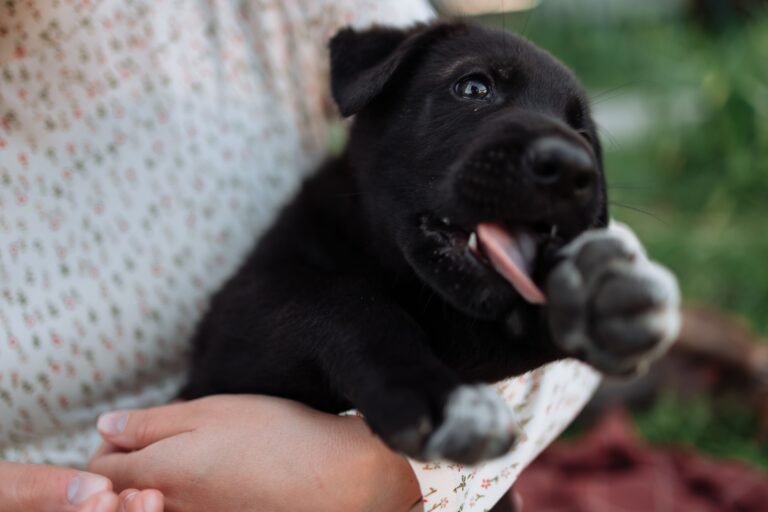
Puppies graze more than adult dogs, and it is usually harmless curiosity. Teething puppies chew everything, their digestive systems are still developing, and grass is one of the first new textures they meet outside. Keep puppies away from sprayed grass and heavily soiled areas, keep their worming and vaccinations on schedule, and redirect them to a toy when the grazing gets frantic.
When Should You Worry About Your Dog Eating Grass?
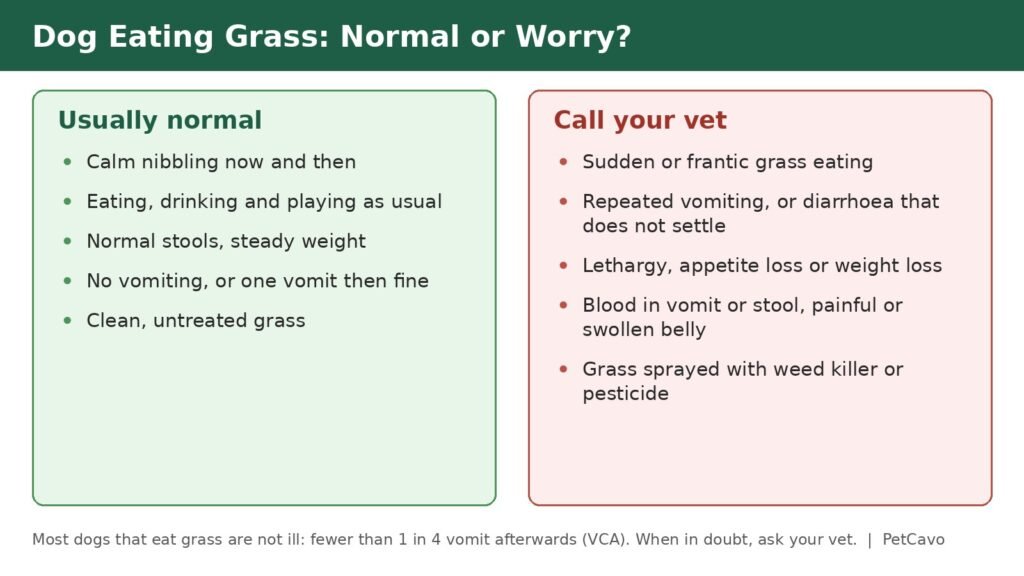
Worry if the grazing is sudden or frantic, or if it comes with repeated vomiting, diarrhoea, lethargy, appetite loss or blood. Calm nibbling in a dog that eats, drinks and plays as usual is normal. Use this simple split:
| Usually normal | Call your vet |
|---|---|
| Calm nibbling now and then | Sudden or frantic grass eating |
| Eating, drinking and playing as usual | Repeated vomiting, or diarrhoea that does not settle |
| Normal stools, steady weight | Lethargy, appetite loss or weight loss |
| No vomiting, or one vomit then fine | Blood in vomit or stool, painful or swollen belly |
| Clean, untreated grass | Grass sprayed with weed killer or pesticide |
Cornell’s Riney Canine Health Center gives a useful rule for the vomiting side: an odd vomit after eating grass is likely a one-off, but vomiting even once a week may indicate disease. You can read their guidance on vomiting in dogs.
How to Stop Your Dog Eating Grass
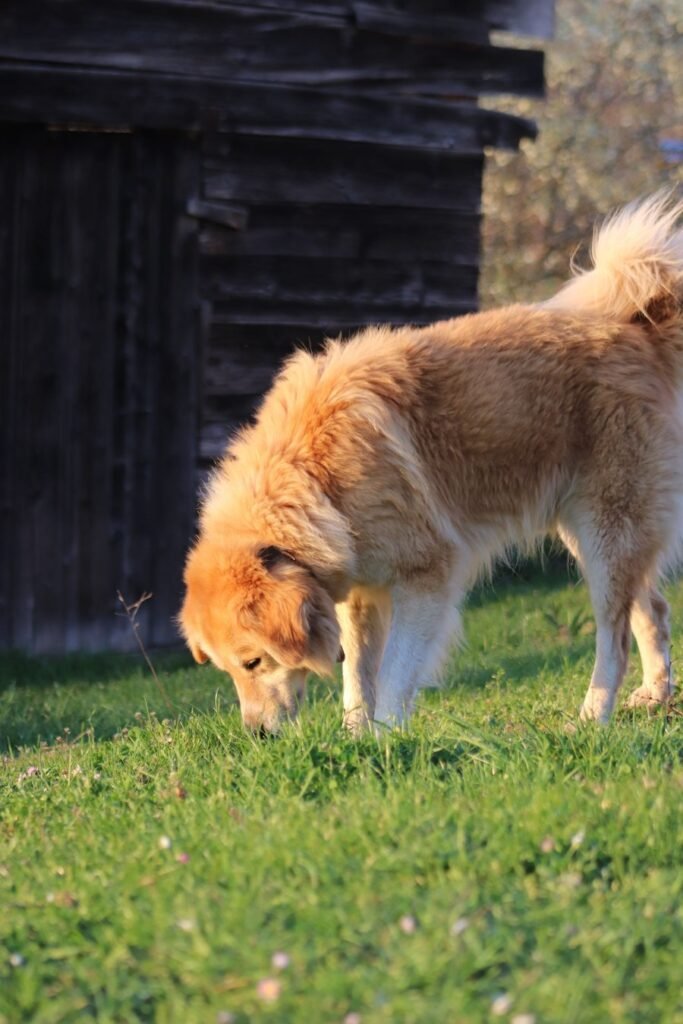
You only need to stop the habit if it is frantic, if the grass is unsafe, or if your vet advises it. These steps work on walks and in the garden:
- Teach “leave it”. Practise at home with a treat in a closed fist. When your dog looks away from the fist, reward. Build up to using the cue outdoors before your dog reaches the grass.
- Shorten the lead on walks. Keep your dog close past long, untreated verges where other dogs toilet, and reward attention on you instead.
- Redirect, do not punish. Offer a treat or a toy swap. If grass is already in the mouth, trade calmly rather than pulling it out.
- Add fibre safely. Small amounts of plain canned pumpkin or cooked green beans help some dogs — ask your vet first, especially with pancreatitis, allergies or a sensitive stomach.
- Burn off boredom. More exercise, sniffing games and chew toys give a bored grazer something better to do.
What Will the Vet Do?
For a dog with worrying grazing, the vet will usually start with history: what your dog eats, when the grazing started, any vomiting or stool changes, and any lawn products used. They may run a faecal test for parasites and blood tests to check for stomach, pancreas or other disease. Bring a fresh stool sample if you can, and the label of any lawn product your dog may have eaten from.
Key Takeaways
- Most dogs eat grass out of instinct, taste or boredom. It is normal behaviour.
- Fewer than 25% of dogs vomit after eating grass, and only about 10% seem ill beforehand (VCA).
- Clean, untreated grass in small amounts is usually safe; sprayed grass is not.
- There is no fixed “safe amount” — sudden, frantic or obsessive grazing is the warning sign.
- Morning yellow foam usually means an empty stomach; ask your vet about meal gaps.
- Repeated vomiting, ongoing diarrhoea, lethargy, appetite loss or blood means a vet visit.
Frequently Asked Questions
What is a dog lacking when he eats grass?
Usually nothing. Dogs on a balanced commercial diet should not be deficient, and VCA notes that nutrient deficiency is only one possible link to eating non-food items. Fibre is the gap most often mentioned, because grass is mostly fibre. If grazing is heavy or new, a vet can check the diet rather than guessing at supplements.
Should you let your dog eat grass if they want to?
If the grass is clean and untreated, and your dog grazes calmly without vomiting or other symptoms, vets generally say there is no need to stop it. Keep your dog away from grass sprayed with weed killer or pesticide, and from areas heavy with animal faeces, because chemicals and parasites are the real risks.
How long after eating grass will my dog be sick?
Most dogs are not sick at all — fewer than 1 in 4 vomit after eating grass (VCA). When vomiting does happen, it is usually within a few hours, because undigested grass irritates the stomach. One vomit in an otherwise bright dog can be watched at home. Repeated vomiting, or vomiting with lethargy or diarrhoea, needs a vet.
Do dogs feel better after eating grass?
There is no good evidence that grass makes dogs feel better. The idea comes from dogs that vomit after grazing and then seem brighter, but surveys show most dogs had no stomach signs before grazing and did not vomit after. Where a dog does seem relieved, the empty-stomach bile pattern is a more likely explanation.
What should I give my dog if they keep eating grass?
First, check the basics: a balanced diet, enough exercise, and something legal to chew. Some vets suggest small amounts of plain canned pumpkin or cooked green beans for fibre, but amounts and suitability depend on your dog, so ask your vet before adding anything. Avoid supplements unless your vet recommends one for a diagnosed reason.
Can eating grass hurt my dog?
Plain grass itself is low risk, but what is on it matters. Weed killers and pesticides can poison dogs, faeces on grass can carry parasites and parvovirus, sharp grass seeds can lodge in ears and paws, and very large amounts of long grass can rarely clump and block the gut. Clean grass, regular worming and supervision keep the risk small.
Is it bad if my dog eats grass every day?
Daily calm nibbling with normal appetite, energy and stools is usually fine. Daily frantic grazing, or grazing that is increasing, is different — it can point to stomach discomfort, diet issues or boredom. If the habit is new, heavier than before, or comes with vomiting, diarrhoea or weight loss, book a vet check.
Photo Credits
Featured photo: puppy chewing grass by JacLou-DL via Pexels (free licence). Puppy chewing grass by Sean Brannon via Pexels. Dog grazing in a field by Gizem Gökce via Pexels. Normal-or-worry chart: PetCavo.





4 Comments