Why Does My Dog Eat Poop? 7 Reasons & How to Stop It
Dogs eat poop for 7 main reasons, from taste and boredom to medical problems. Here is how risky it is, how to stop it, and when your dog needs a vet.
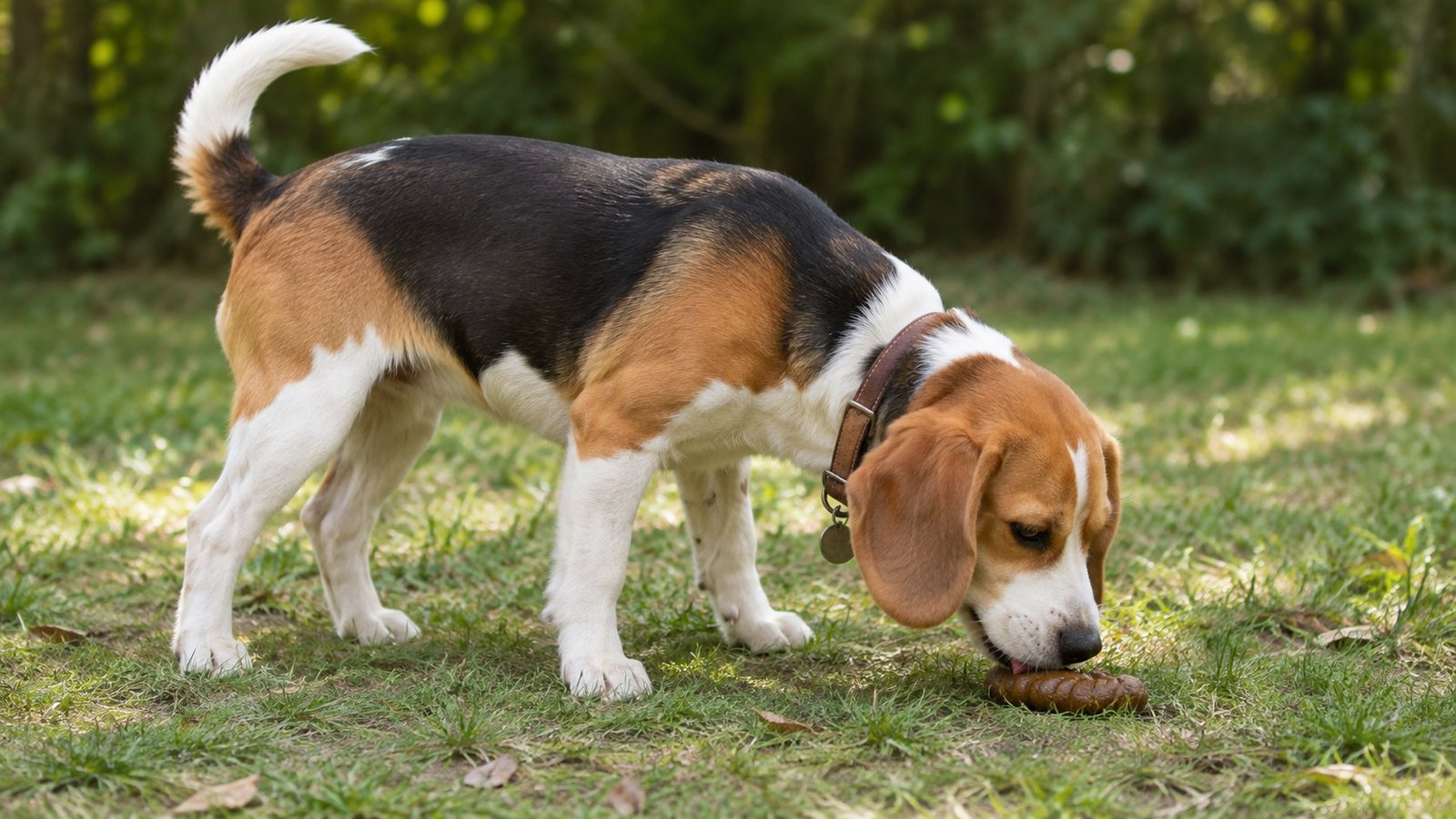
You turn your back for ten seconds, and your dog is eating poop. It is disgusting, it is embarrassing, and it makes most owners ask the same thing: why does my dog eat poop, and is something wrong with my dog?
Usually, no. Poop-eating — vets call it coprophagia — is common and mostly behavioural. But it is not always harmless, and a sudden start in an adult dog deserves a vet check. This guide explains the 7 real reasons, how risky each type of poop is, and the steps that actually stop it.
Quick Answer: Why Does My Dog Eat Poop?
Most dogs eat poop because it smells and tastes good to them, not because they are ill. Puppies copy their mother and explore with their mouths. Boredom, attention-seeking, hunger and anxiety also play a part. A new habit in an adult dog, or poop-eating with vomiting, diarrhoea or weight loss, needs a vet.
Is It Normal for Dogs to Eat Poop?
It is common. In a 2018 survey of 1,552 dog owners (Hart et al., Veterinary Medicine and Science), 16% of dogs were frequent poop-eaters, seen eating poop at least six times, and 23% had been seen eating poop at least once. The study also found that dogs tended to eat fresh stools, no more than about 2 days old.
Two cases are fully normal. Nursing mothers eat their puppies’ faeces to keep the nest clean — never try to stop that. And puppies explore the world with their mouths, so a puppy tasting poop is usually just learning. Most puppies grow out of it with good food and supervision.
What is not normal is an adult dog that starts out of the blue. A new habit in a grown dog can point to a medical problem, so book a vet visit to rule that out first.
7 Reasons Dogs Eat Poop
1. It tastes good to them
Dogs are scavengers by nature, and many will eat grass and other odd things too. Cat poop is especially tempting: VCA Animal Hospitals says cat faeces often appeal to dogs through smell, texture and taste. Hart et al. also suggest an inherited instinct from wild wolf ancestors, which may have eaten fresh faeces to keep the den area free of parasites. This is a common reason: the dog likes it.
2. Puppies copy their mother
Puppies watch their mother eat their waste in the first weeks of life, and they explore everything with their mouths. Many puppies try poop out of curiosity. With supervision and quick clean-up, most stop as they grow.
3. Boredom and loneliness
A dog left alone with nothing to do may eat poop to pass the time — and dogs kept in small spaces, or left in a yard where poop is not picked up, have both the motive and the chance. The PDSA lists boredom, stress and anxiety among the common causes. More exercise, play and company usually help.
4. Attention-seeking
If eating poop makes you run over, shout or chase, your dog may learn that poop-eating gets your attention. The PDSA notes that even being told off can feel like a reward to a bored dog. Calmly removing the poop works better. So does rewarding your dog for coming away.
5. Hunger or diet problems
A dog that is underfed, or fed a diet it cannot digest well, may look for extra nutrients in poop. VCA notes that stools with a lot of undigested food can attract dogs. If your dog is always hungry, losing weight, or passing soft or greasy stools, see your vet rather than just changing food at random.
6. Anxiety and fear of punishment
Some dogs eat poop to hide the evidence: if a dog has been scolded for accidents in the house, it may eat faeces to avoid being told off. Stress and anxiety can also drive the habit. Punishment makes this worse, not better.
7. Medical problems
Less often, poop-eating is a sign of illness. VCA lists causes such as intestinal parasites, poor digestion and nutrient problems, and some medicines can increase appetite. If the habit is new in an adult dog, or your dog seems unwell, this is the reason to rule out first.

Which Poop, Which Dog? A Quick Triage Table
What your dog eats, and when it started, tells you a lot about the likely cause and what to do next.
| Situation | Likely cause | What to do |
|---|---|---|
| Puppy tasting its own poop | Curiosity, copying mum | Supervise, pick up fast, reward coming away. Vet only if unwell. |
| Adult dog, long-standing habit, otherwise well | Taste, boredom, attention | Management + leave it training (below). Routine vet check if never done. |
| Adult dog, sudden new habit | Possible medical cause | Book a vet. Bring a fresh stool sample and diet history. |
| Eats cat poop from the litter box | Taste | Block access to the box. |
| Eats other dogs’ poop on walks | Taste, scavenging | Lead, leave it, pick routes carefully. Higher infection risk. Ask your vet whether worming is up to date. |
| Poop-eating with vomiting, diarrhoea, weight loss or lethargy | Illness until proven otherwise | Vet promptly. Do not just train through it. |
Is It Dangerous for My Dog to Eat Poop?
It depends whose poop it is. Eating their own poop does not often cause health problems, according to the PDSA. The risk rises with other animals’ poop, which can carry parasites and bacteria. Cornell’s Riney Canine Health Center notes that coccidia, a gut parasite, spreads through contact with contaminated faeces. Eating cat litter may also upset the stomach.
In short: a one-off taste of its own poop is rarely an emergency. Regular eating of other dogs’ or cats’ poop is worth stopping and mentioning to your vet. It is also worth checking that worming is up to date, especially for dogs that scavenge on walks.
After an incident, offer fresh water. It is sensible to keep your dog from licking faces (especially children’s) until the mouth is clean, and to wash your own hands after clean-up.
How to Stop Your Dog Eating Poop
There is no quick fix for this habit. What helps most is a mix of management (no chance to practise) and training (a better choice). Be realistic about training on its own: in the Hart study, owners who rewarded the “leave it alone” command reported success in only 4% of cases. Training still matters, but it works best alongside clean-up and supervision.
Step 1: Remove the chance
- Pick up poop in the garden straight away, every time.
- Block the cat litter box with a baby gate, a covered box, or a door your cat can use but your dog cannot.
- Keep your dog on a lead in areas where other dogs toilet, until training is solid.
- Feed a complete diet in the right amount, and do not leave your dog hungry and bored in a dirty yard.
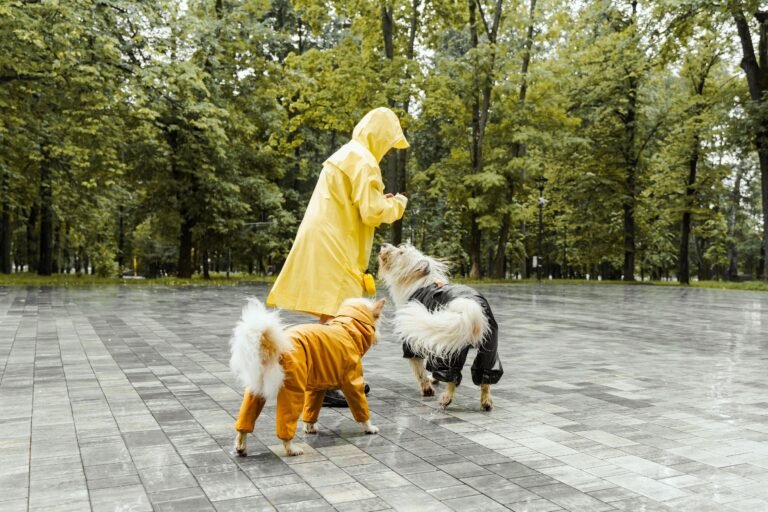
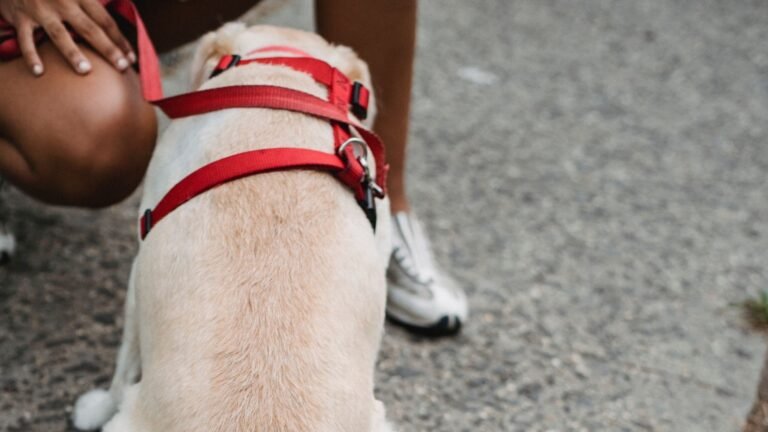
Step 2: Teach “leave it” and “come away”
- At home, hold a treat in a closed fist. When your dog stops sniffing and looks away, say “leave it”, then reward with a different treat from your other hand.
- Repeat until your dog turns away quickly on the word alone. Then practise with a treat on the floor, covered by your hand or foot.
- Move outdoors on a lead. Walk past something boring, say “leave it” before your dog reaches it, and reward the turn-away with a high-value treat.
- Only when this is reliable, practise near (not on) real poop at a distance. Reward big for choosing you.

The first minute after you catch your dog
Stay calm. Do not shout, chase or grab — that turns it into a game or a race to swallow faster. Call your dog away in a happy voice, reward it for coming, put the lead on, and clean up. If the poop is already eaten, there is nothing to undo; just note it and tighten supervision next time.
Overnight and when you are out
Most practice happens when nobody is watching. Keep your dog indoors or in a clean area overnight, pick up the garden before bed, and do not leave your dog alone in a yard with old poop. A tired dog with a chew toy is far less likely to go looking.
Do Pineapple, Supplements and Deterrent Products Work?
There is almost no evidence that they do. In the Hart study, owners reported success rates of just 0–2% for 11 commercial deterrent products, and behaviour procedures alone were also low. VCA advises preventing access to stools, cleaning up thoroughly and supervising your dog outdoors.
| Remedy | What the evidence says |
|---|---|
| Commercial deterrent chews/products | 0–2% reported success in the Hart et al. study. Not a fix on their own. |
| Pineapple, courgette in food | PDSA: no evidence it works. It does no harm to try in small amounts, but introduce it slowly, as sudden diet changes can upset the stomach. Do not rely on it. |
| Vitamin or enzyme supplements | Only help if a vet finds a real deficiency or digestion problem. Do not guess. |
| Probiotics | No good evidence that they stop poop-eating, and evidence for gut-health claims in dogs is limited. |
| Meat tenderiser (digestive enzymes) | VCA: digestive enzymes in the form of meat tenderisers may help increase protein digestion, resulting in a less palatable stool. |
| Papaya, yoghurt, cottage cheese, breath mints | VCA: published but never proven to be effective. Taste-aversion additives usually fail as dogs get used to them. |
| Muzzle to stop eating | PDSA advises against it: it does not remove the desire and is often messy. |
If you want to try a product, treat it as a small extra alongside clean-up and training — never instead of them.
What Not to Do
- Do not punish. Shouting or rubbing your dog’s nose in poop is outdated and can make dogs eat faster or hide the evidence.
- Do not chase. A chase rewards the behaviour with attention and excitement.
- Do not just wait and hope if the habit is new in an adult dog or comes with sickness signs — get the vet check done.
When to See a Vet
Book a vet if any of these apply:
- The habit is new in an adult or older dog.
- Your dog is vomiting, has diarrhoea, is losing weight, seems lethargic, or is always hungry.
- Stools look soft, greasy or poorly digested.
- Your dog eats cat litter, or poop from unknown animals, regularly.
- Training and management have not helped after a few consistent weeks.
What the vet will do: a physical exam, questions about diet and stools, and a stool test for parasites. Blood tests may be needed if there are other signs. Take a fresh stool sample in a clean container, a list of food and treats, and notes on when the habit started. If cost is a worry, ask the practice for an estimate first. The stool test is usually the most useful first step.
If the vet finds no medical cause and anxiety seems to drive the habit, ask about a referral to a certified behaviourist rather than a trainer who uses punishment.
Older dogs with a new habit
A senior dog that begins eating poop out of the blue should always see a vet. New appetite changes in older dogs can come from conditions such as diabetes, which may also make a dog drink much more water, Cushing’s disease or thyroid problems, and these are far easier to manage when caught early.
Winter and frozen poop
Frozen poop left in the garden is easy to forget about. Pick up daily even in cold weather, and keep an eye on your dog in snow, when frozen pieces become hard to spot.
Key Takeaways
- Poop-eating is common: 16% of dogs do it frequently, 23% at least once (Hart et al., 2018).
- Most cases are about taste, boredom, attention or puppy curiosity — not illness.
- Own poop is low risk; other animals’ poop and cat litter carry the real risk.
- Deterrent products and home remedies have almost no evidence behind them (0–2% success).
- What helps most: instant clean-up, blocked litter box, supervision, and a trained “leave it”. Training alone worked for only 4% of owners in the Hart study.
- A new habit in an adult dog, or sickness signs, means vet first.
FAQs
Should I be worried if my dog eats his poop?
Eating their own poop does not often cause health problems, but other dogs’ poop can carry parasites and infections, so the habit should still be stopped. A one-off taste is rarely an emergency; regular eating, or eating with vomiting or diarrhoea, needs a vet.
Why does my dog eat another dog’s poop?
Taste and scavenging are the usual reasons. Dogs are drawn to the smell of other animals’ stools, and one dog’s stool may still contain undigested food. Other dogs’ poop carries a higher risk of parasites, so use ‘leave it’, keep your dog on a lead in busy areas, and pick up promptly.
What dog breeds are prone to eating poop?
In the Hart study, terriers and hounds were the most likely breed groups, and Shetland Sheepdogs stood out in small numbers. The breed samples were small, so treat this as a hint, not a rule — any breed can do it.
What age does a dog stop eating poop?
Puppies usually grow out of it as they mature, with good nutrition and supervision. There is no exact age: the Hart study found no link between poop-eating and the dog’s age. If the habit is still strong in an adult dog, management and ‘leave it’ training are the practical way to stop it.
What vitamin is my dog lacking if he eats poop?
Usually no single vitamin is missing. Most poop-eating is taste or behaviour. VCA notes that poor absorption can lead to vitamin and mineral deficiencies, so a vet may check digestion or diet if there are other signs. Adding supplements without a diagnosis rarely helps.
What is the best product to stop dogs from eating poop?
None has good evidence: 11 commercial products showed only 0–2% reported success in the Hart study. Clean-up, supervision and ‘leave it’ training help far more than any product.
Why does my dog eat poop and pee?
Some dogs are drawn to the smell of urine as well as faeces, and puppies may mouth almost anything on the ground. It is usually the same scavenging habit, and it is worth stopping for the same reasons. See a vet if your dog also drinks a lot, urinates more than usual, or seems unwell.
Will my dog be sick after eating poop?
Often not, especially after eating its own. Watch for vomiting, diarrhoea or loss of appetite over the next day or so. If your dog ate another animal’s poop or cat litter, or seems unwell, call your vet for advice.
Photo Credits
Featured photo: PetCavo. Training photo: Samson Katt via Pexels. Reasons chart: PetCavo.


One Comment