
Why Does My Cat Have Diarrhea? Causes & What to Do
Why does my cat have diarrhea? What stool colour means, a first-24-hours home plan, and the signs that need a vet today — plus what never to give.
Diarrhoea in cats is never normal. Causes range from harmless to deadly (PetMD).
Diarrhoea is not a disease, but rather a sign of many different diseases. It means unformed or loose stools that occur in larger amounts or more often than usual (VCA). It happens when food moves too fast through the gut and less water, nutrients and electrolytes are taken in (VCA).
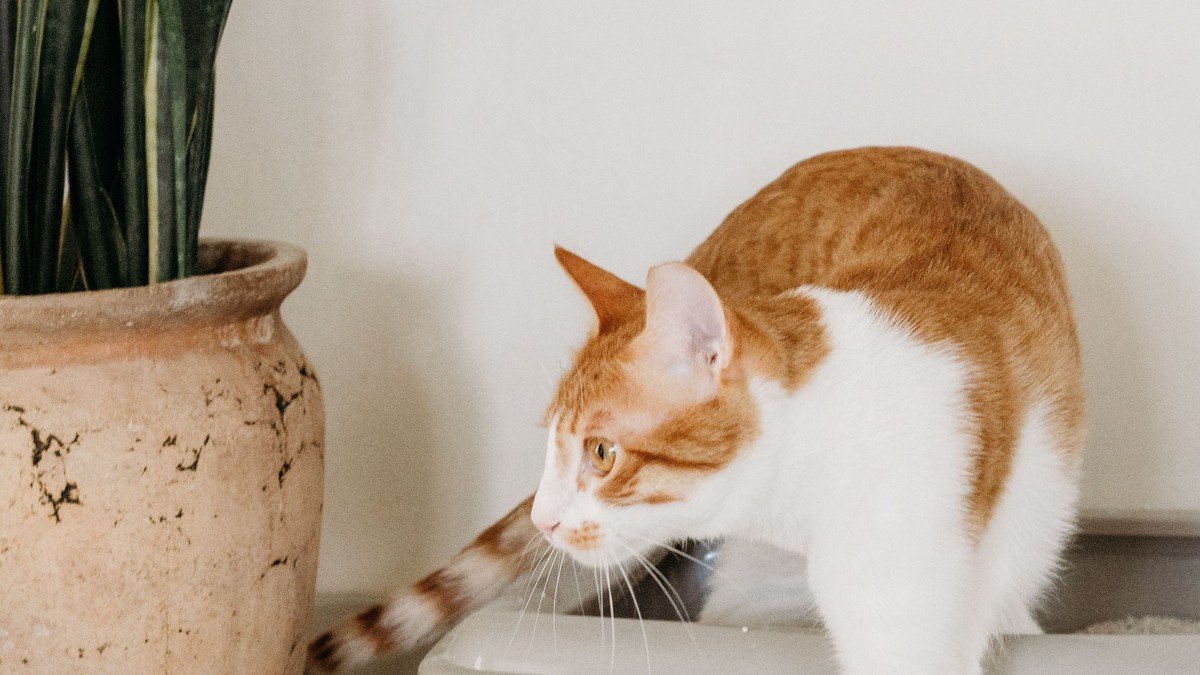
- Accidents outside the tray, or stools that are loose, unformed or fluid.
- In long-haired cats, staining or soiling around the back end.
- A cat that still uses the tray may hide it, so check what it leaves behind.
- Frequent liquid or semi-liquid stools for more than two days: ask your vet (VCA).
- Other signs can include foul smell, gas and bloating, belly pain, visible cramping, crying or hiding, weight loss and behaviour changes (UrgentVet).
Quick Answer: Why Does My Cat Have Diarrhoea?
Common causes are a sudden food change, food intolerance or allergy, eating something unsuitable, parasites, stress, infection, internal disease, and medicines or toxins. See a vet if diarrhoea lasts longer than a day or two with other signs, such as poor appetite, lethargy or vomiting (Cornell). Kittens, senior cats, cats with chronic disease and pregnant cats are at higher risk, so seek care if diarrhoea does not settle within 24 hours, especially in these groups (PetMD).
What the Stool Tells You: Colour and Consistency
| What you see | Often means | Action |
|---|---|---|
| Brown, firm log | Healthy normal stool | Nothing to do. |
| Soft, loses shape | Mild upset — food change, stress, rich treats | Watch at home; vet if worse. |
| Watery, no shape at all | True diarrhoea — fluid loss risk | Home plan; watch hydration. |
| Yellow | Yellow faeces can be an emergency related to liver disease or failure, zinc poisoning, immune-mediated haemolytic anaemia, or an overgrowth of certain bacterial pathogens | Vet now — emergency. |
| Green | Grass, green material, green kibble or treats; some animals with green faeces have gallbladder disease | Monitor; vet if unwell or repeated. |
| Black and tarry | Dark red or black faeces can mean upper GI bleeding (stomach, small intestine) and blood digestion | Vet today. |
| Red streaks or drops | Lower intestinal tract bleeding (colon, rectum) | Vet promptly. |
| Mucus (jelly-like coating) | Possible inflammation of the digestive system, dehydration or parasitic infection | Monitor once; vet if repeated. |
| Visible worms or rice-like segments | Parasites | Vet for the right wormer; bring a sample. |
See also our guide to blood in cat stool.

Common Causes
PetMD splits causes into acute and chronic. Acute diarrhoea can come from infectious, inflammatory, metabolic-endocrine, cancerous, obstructive or poisonous-toxic causes. Chronic diarrhoea can come from resistant infections, chronic inflammatory disease, poorly managed metabolic-endocrine disease, congenital problems or cancer.
Food change or something eaten
A sudden change in diet or eating something that upsets their tummy can cause diarrhoea (PDSA). Treats or new foods can also cause it if they are contaminated, suddenly introduced, contain toxic ingredients or contain allergens (PetMD). Most cats are lactose intolerant, and dairy can worsen diarrhoea (UrgentVet).
Parasites
Worms and other gut parasites such as Giardia, cryptosporidium and tritrichomonas can cause diarrhoea (PDSA). Roundworms, hookworms, Giardia and coccidia are especially common in kittens and cats that go outdoors or live in multi-cat environments (UrgentVet).
Stress
Travel, boarding, new pets, changes in routine or moving homes can all trigger gut upset (UrgentVet). Moving to a new home, introducing a new pet or anxiety can cause stress diarrhoea (Winter Park). A long car trip or a weekend stay at a vet clinic may cause a brief episode of loose bowels (Cornell).
Infection
Acute infectious causes include parasitic, protozoal, bacterial, fungal and viral causes (PetMD). Gut infections such as Salmonella and Campylobacter can cause diarrhoea (PDSA). Viruses such as Feline Panleucopenia Virus, Feline Leukaemia Virus (FeLV) and Feline Infectious Peritonitis (FIP virus) can also cause it (PDSA). FIP and FeLV are viral infections that may cause digestive issues (Winter Park).
Food intolerance or allergy
Repeated diarrhoea on the same food can point to an intolerance or allergy. Food intolerances or allergies may cause ongoing loose stools (UrgentVet). Some cats may be sensitive to dairy, grains or specific proteins (Winter Park).
Internal disease
Long-running or recurring diarrhoea can come from inflammatory bowel disease (IBD), colitis, pancreatitis, liver disease, kidney disease, a gut blockage or foreign body ingestion, and cancer (PDSA; Winter Park). IBD, hyperthyroidism and pancreatic insufficiency can cause chronic diarrhoea (Winter Park). Other causes include a hyperactive thyroid gland, kidney or liver disease, a neurologic abnormality, a viral infection, an immune system abnormality, feline distemper (panleukopenia) and lymphoma (Cornell).
Medicines and toxins
It is rare for a cat with diarrhoea to need antibiotics, and in the wrong situation they can even make diarrhoea worse (PDSA). Certain medications, especially antibiotics, can disrupt the balance of bacteria in a cat’s gut and lead to diarrhoea (Winter Park). Chemical toxins or poisonous plants can also cause diarrhoea (VCA).
The First 24 Hours: A Safe Home Plan
- Check the whole cat. Bright, eating and drinking? A home plan may be fine. Lethargic, hiding, vomiting, or not eating: call the vet.
- Keep water available at all times. Diarrhoea loses fluid. Fresh water in several places helps. If your cat will not drink, tell the vet.
- Feed small and bland. Offer small, frequent bland meals — boiled chicken or white fish (no skin or bones) in small amounts, several times a day. PDSA advises there is no need to starve a cat with diarrhoea. VCA advises withholding food for a short time in some cases. UrgentVet says sudden fasting is generally not recommended, especially for kittens. Follow your vet’s advice for your cat.
- Cut the extras. No treats, milk, or table scraps until stools are normal for a full day.
- Revert and go slow. If a new food started the upset, go back to the previous diet. Once stools normalise, transition back slowly (UrgentVet).
- Make the tray easy. Extra clean trays, scooped often — a cat with urgency needs easy access.
- Watch hydration. Dry gums, sunken eyes, or skin that stays tented when gently lifted mean you need a vet.
- Note everything. Stool photos, frequency, appetite, water intake, any new food or treat, and whether symptoms are improving, staying the same, or worsening (UrgentVet).
- Which cat is it? In a multi-cat home, watch who uses each tray, or separate cats for a short time so you can tell.
- No dairy: Do not give yoghurt, milk, cheese or other dairy to help diarrhoea.
- Kittens: Do not give home remedies — kittens dehydrate fast and need vet advice early.
- Oral electrolytes: Use only a vet-approved oral electrolyte solution, and only as directed.
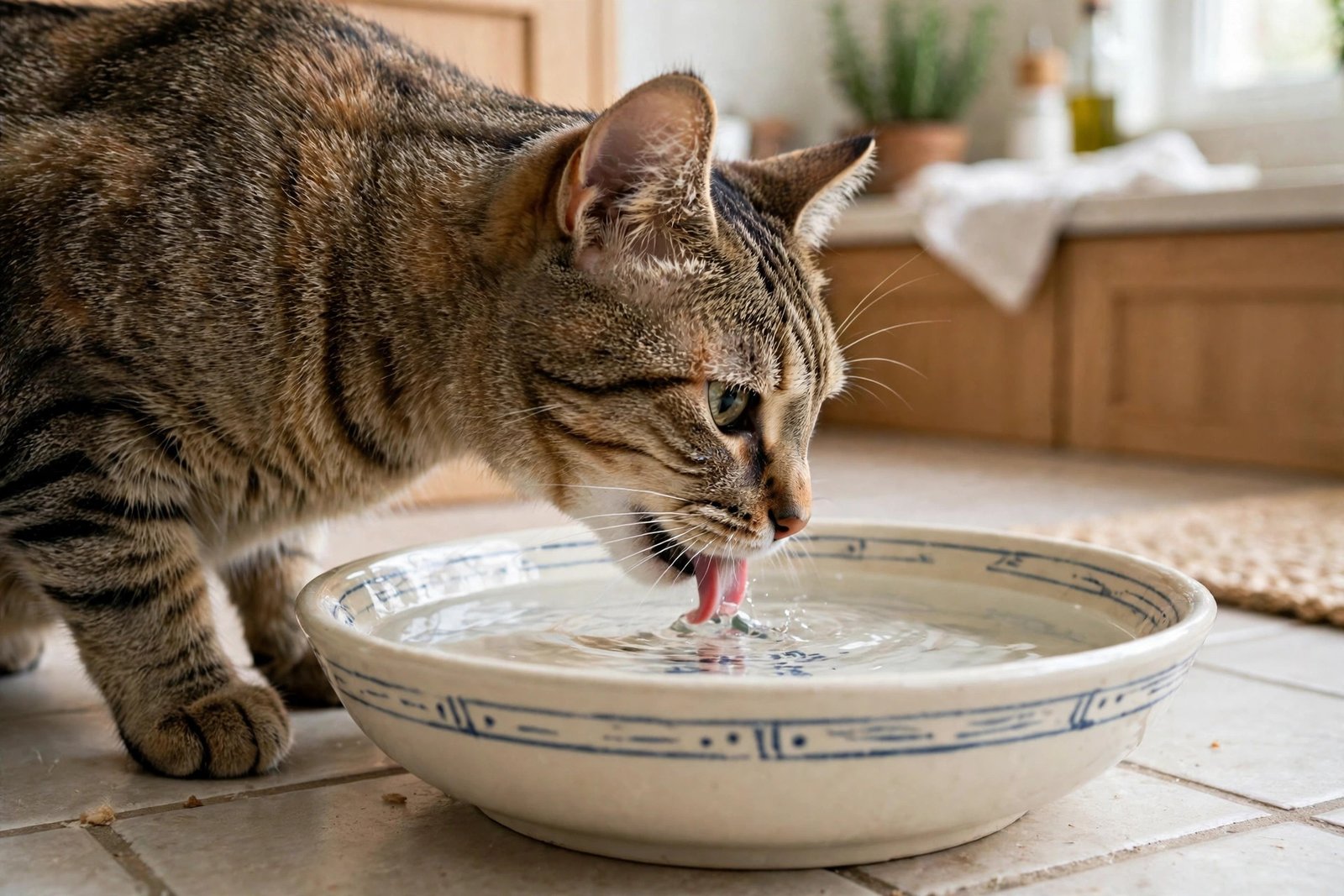
Never give human anti-diarrhoea medicines (such as loperamide/Imodium, Pepto-Bismol or Kaopectate) to a cat unless a vet tells you to. Pepto-Bismol contains salicylates, which are toxic to cats (UrgentVet). Do not force fluids unless directed by your vet (UrgentVet). Wide bowls and water fountains may help some cats drink more (UrgentVet).
When to See a Vet — Monitor vs Same-Day vs Emergency
| Level | Signs |
|---|---|
| Monitor at home | Bright, eating, drinking, one or two soft stools, no blood, no vomiting. |
| Call the vet the same day | Poor appetite, lethargy, repeated watery stools, mucus or blood, or no improvement. |
| Emergency — go now | Vomiting with diarrhoea, black tarry stool, a lot of fresh blood, collapse, pale gums, severe dehydration, abdominal pain or bloating, a kitten under six months, a pregnant cat, a cat with a chronic condition, or a cat that recently ate something toxic. |
Vomiting with diarrhoea is always an emergency (PetMD). Vomiting can suggest intestinal obstruction, toxin ingestion, organ failure such as kidney disease, pancreatitis, diabetic ketoacidosis, Addisonian crisis, severe infection or severe food allergies (PetMD).
Acute diarrhoea lasts less than 14 days. Chronic diarrhoea lasts for two to three weeks or longer and will need to be investigated. If there is no improvement within two to three days of starting therapy, contact the vet.
Refusal to eat or drink is a red flag.
Hospitalisation is recommended if your cat is dehydrated, is not eating well, or is vomiting, lethargic or not acting normally (PetMD). Severe or prolonged diarrhoea may require hospitalisation for intravenous fluid therapy or other, more intensive, treatments if there is no improvement within two days (VCA). Chronic diarrhoea will need to be investigated with diagnostic testing and even hospitalisation (PetMD).
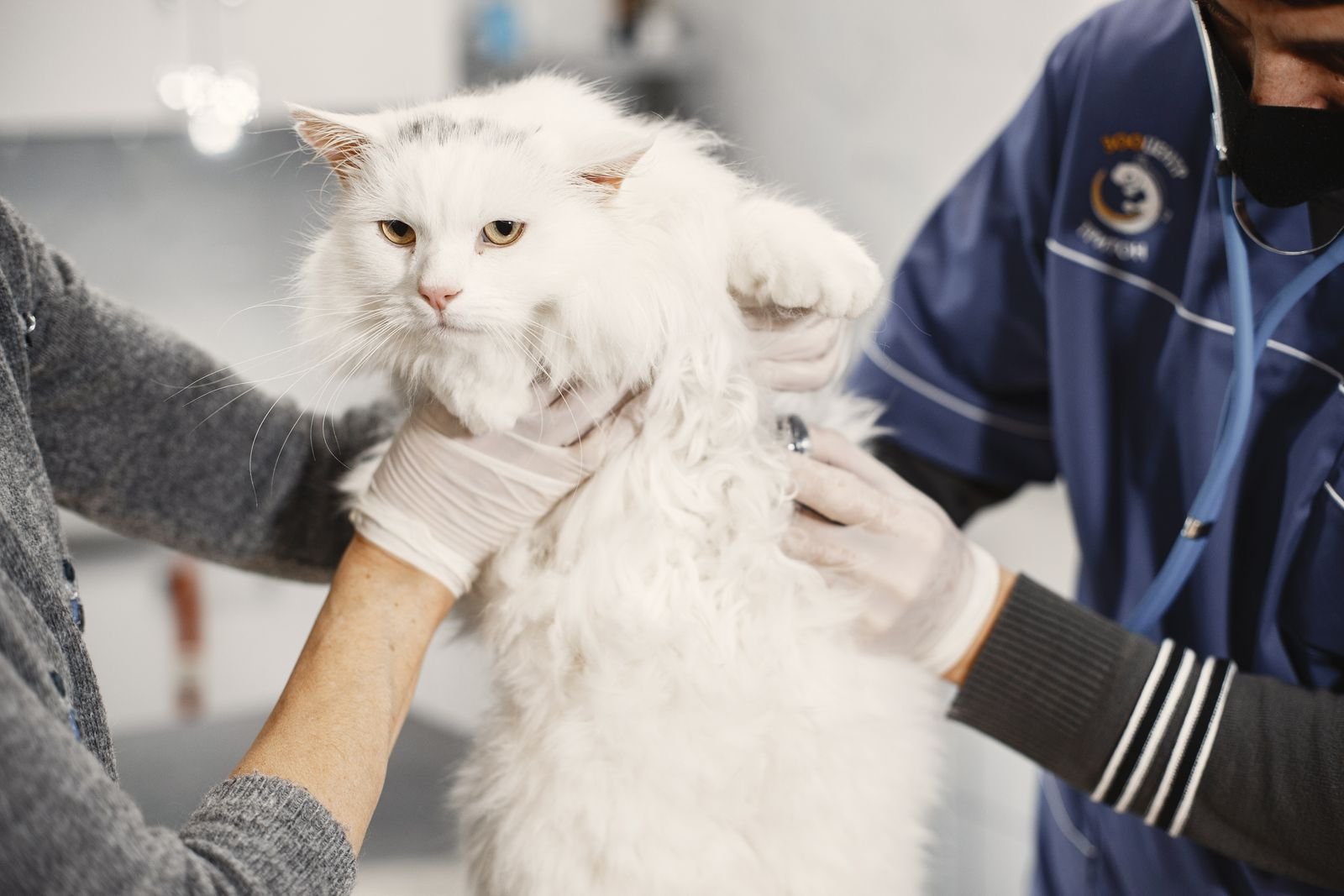
Expect a full exam first: temperature, hydration, belly palpation, and a look at a fresh stool sample. Your vet may ask about stressors, possible toxins and vaccination history (UrgentVet). Your vet may also ask about diet changes, access to human food, parasite prevention and how long diarrhoea has lasted (UrgentVet). Tests can include:
- Faecal tests, including faecal flotation or smear, faecal cytology and faecal culture to check for parasites and bacteria (Winter Park). Stool and rectal swab samples for parasite examination, DNA testing for infectious organisms, bacterial culture and an endoscopic exam may also be used (VCA).
- Blood tests. A complete blood count can look for signs of infection, inflammation, anaemia, or dehydration. A biochemical profile can check liver and kidney function, blood sugar levels and electrolyte imbalances (Winter Park).
- Thyroid function tests (Winter Park).
- Urinalysis to check kidney function and overall health (Winter Park).
- Imaging such as X-rays or ultrasound if a blockage or other internal problem is suspected. X-rays can detect blockages, foreign bodies, tumours or abnormal fluid, and ultrasound can show thickening that might indicate IBD or cancer (Winter Park).
- Endoscopy to view the gut and take biopsies, colonoscopy to examine the large intestine and take tissue samples, and biopsy if IBD, cancer or other chronic conditions are suspected (Winter Park). Antigen testing may also be used to screen for infectious or inflammatory disease (PetMD).
- Food trials with a prescription or hypoallergenic diet for several weeks to check for food allergy or intolerance (Winter Park). Specialised allergy testing may be done to identify specific triggers (Winter Park).
Treatment depends on the cause. Vet-prescribed anti-diarrhoeals that slow intestinal movement or reduce inflammation, dewormers or anti-parasitics, prescription diets, probiotics, anti-nausea medications and fluid therapy may be used (UrgentVet; VCA). Cats that are dehydrated or very ill may require subcutaneous or intravenous fluids (UrgentVet). In hospital, treatment can include intravenous (IV) fluids, antibiotics, anti-nausea medications and more, based on symptoms (PetMD).
Vet-specific probiotics are preferred; avoid human probiotics unless your vet specifically approves them (UrgentVet). Fibre is not appropriate if there is an obstruction or certain medical conditions, and is best used under veterinary guidance (UrgentVet). If fibre or probiotics are not enough after one to two days, consult your vet (PetMD). A gastrointestinal over-the-counter diet may help, but prescription diets are recommended if diarrhoea persists (PetMD).
Recovery and Aftercare
- Take all medications as prescribed.
- Continue diet changes as long as the vet recommends.
- As stools return to normal, you can usually transition back to your cat’s regular diet over seven to ten days (VCA).
- Depending on the diagnosis, your cat may need long-term diet or supplement changes, or regular lab work with your vet (PetMD).
- Give a quiet, comfortable rest place.
- If other pets are present, keep the cat in a separate room with its own tray and bedding if your vet advises it.
- Keep follow-up visits even if the cat feels better when tests were abnormal.
Preventing Cat Diarrhoea
- Control pancreatitis, IBS, hyperthyroidism and food allergies with medication or prescription diets as your vet directs.
- No sudden diet changes, and no human, rich or novel treats.
- Make food transitions slowly over at least a week.
- Keep parasite prevention and vaccinations up to date.
- Book annual visits with stool checks, especially for outdoor or catio cats.
- Keep regular wellness exams, even when your cat seems well.
- Keep rubbish, toxic plants and human food out of reach (UrgentVet).
- Reducing stress and providing a consistent environment can help (UrgentVet).
- Not all cases of cat diarrhoea are preventable (UrgentVet).
Key Takeaways
- Diarrhoea is a symptom, not a disease — find the cause.
- Colour and consistency guide how fast you act.
- No human anti-diarrhoea medicine without vet advice.
- When in doubt, call the vet — dehydration moves fast in cats.
FAQs
How long does cat diarrhoea last?
Acute diarrhoea lasts less than 14 days. Chronic diarrhoea lasts for two to three weeks or longer and will need to be investigated. If there is no improvement within two to three days of starting therapy, contact the vet.
Why does my cat have diarrhoea but act normal?
Cats hide illness well, so normal behaviour alone does not rule out a problem. Check stool, appetite, water intake and energy together, and note whether signs are improving, staying the same or worsening.
Is blood in cat diarrhoea an emergency?
Fresh red blood points to the lower intestinal tract, while black tarry stool points to digested blood from higher up. Both need prompt vet advice, and a fresh stool sample helps the vet.
Why does my indoor cat keep getting diarrhoea?
Indoor cats can still get food intolerance, stress-related upset or parasites. Repeated signs on the same food or after the same treat are a useful clue to note for the vet.
What can I give my cat to harden my cat’s stool?
Ask the vet first. Fibre is not appropriate if there is an obstruction or certain medical conditions, and is best used under veterinary guidance. Avoid human probiotics unless your vet specifically approves them; use vet-specific probiotics instead. Do not use a home pumpkin dose unless your vet advises it.
Why does my cat have diarrhoea after eating wet food?
A sudden switch, a rich or new recipe, or eating too much at once can upset the gut. Note the exact food and amount, keep other food the same, and tell the vet if signs repeat with that food.
What if my cat has diarrhoea and is not eating or drinking?
Refusal to eat or drink is a red flag. Do not force fluids unless directed by your vet, and seek same-day vet care, especially for a kitten under six months.
Can cat diarrhoea spread to other cats?
Parasites and infections can spread. Wash hands after handling stool, clean trays often, and separate a sick cat with its own tray and bedding if your vet advises it.
Why does my cat have diarrhoea for more than a week?
It will need to be investigated. The vet may check for parasites, food intolerance, pancreatic problems and other internal causes.
What should I take to the vet appointment?
Take a fresh stool sample, a list of foods, treats and medicines, the start date, and notes on appetite, water intake and whether signs are improving, staying the same or worsening.
Photo Credits
Featured photo: Nadiye Odabaşı via Pexels. Stool chart: original PetCavo graphic. Drinking photo: Vlad Deep via Pexels. Vet photo: Gustavo Fring via Pexels.



3 Comments