
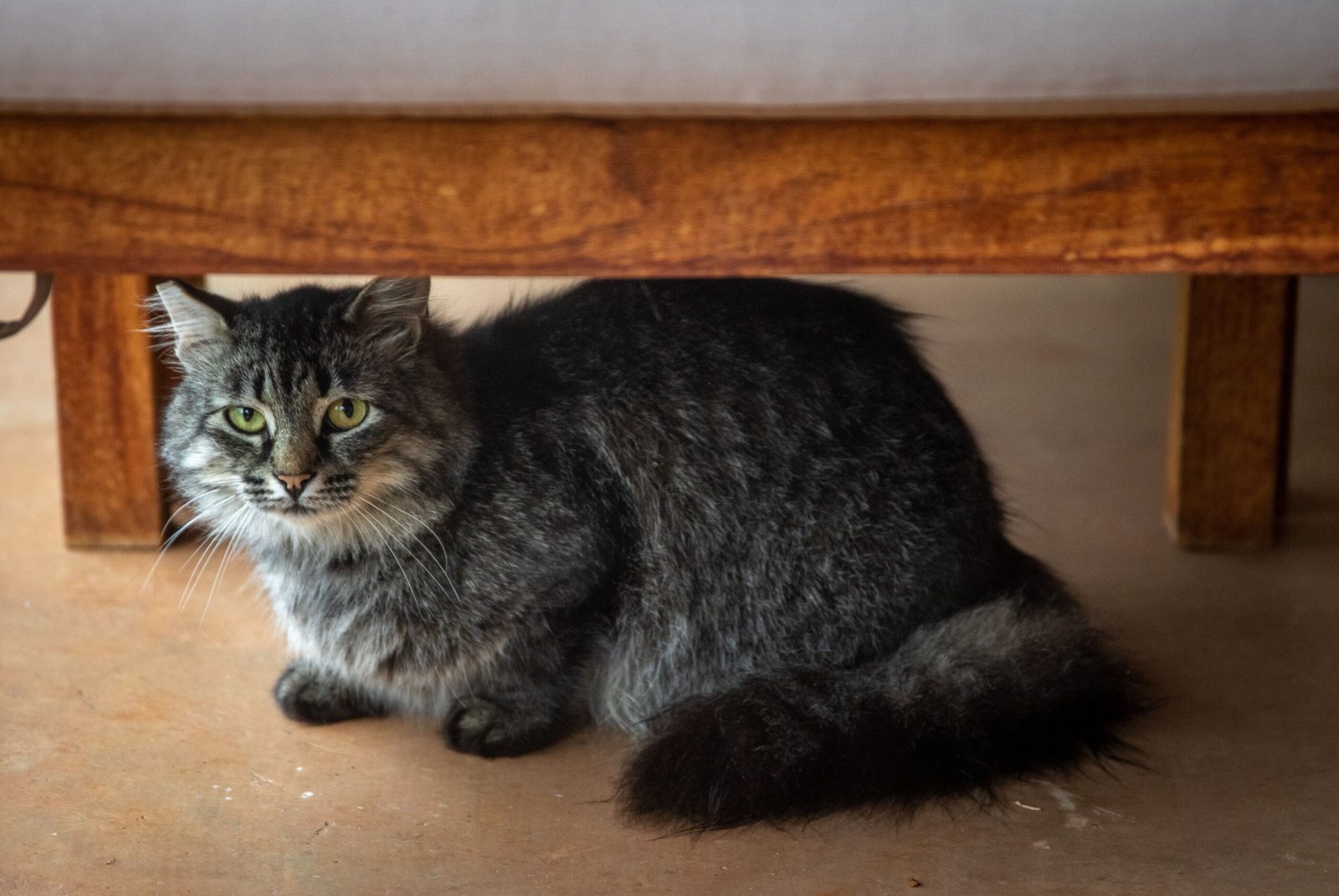
Why Is My Cat Hiding All of a Sudden? 10 Reasons
Why is my cat hiding all of a sudden? Learn the 10 reasons, when hiding is normal, and the warning signs that mean a vet visit.
Why is my cat hiding all of a sudden? Your cat was fine yesterday. Today you cannot find them — until you spot two eyes under the bed. Sudden hiding usually has a reason: fear, stress, pain or illness. Or your cat may just want quiet time. The key is what else has changed.
Quick Answer: Sudden hiding means your cat feels scared, stressed, or unwell. It is normal if your cat still eats, drinks, and uses the litter box, and comes out when the house is quiet. Call your vet promptly if hiding comes with not eating, vomiting, trouble peeing, laboured breathing, or limping — or if it lasts more than a day or two.
How Urgent Is It? A Quick Triage
Use this table first. Watch for up to 48 hours ONLY if your cat still eats, drinks and uses the tray — and comes out at least some of the time.
| Call now (emergency) | Call today | Watch for up to 48 hours |
|---|---|---|
| Struggling to breathe or breathing with mouth open | Eaten nothing for 24 hours | Still eating, drinking and using the litter box |
| Collapsed or cannot walk | Vomiting again and again | Comes out when the house is quiet |
| Cannot pee at all; pale or blue gums | Straining to pee, or passing little urine | Hiding has a clear trigger, and it is fading |
| In severe pain | Limping, flinching, or avoiding jumping; hiding all day plus not eating or drinking | No other changes |
Is Sudden Hiding Normal?
Hiding is normal in short bursts after a scare or a change. It is not normal when hiding is all day, every day, or comes with other changes. Check the signs below.
| What you see | More likely normal | Call the vet |
|---|---|---|
| Timing | Hides at usual times, like at night | Starts suddenly, or does not come out at all |
| Eating | Normal | Eating less, or not eating |
| Litter box habits | Normal use | Straining, or going more often |
| Movement | Walks, jumps, and plays as usual | Limping, or struggling to jump |
| Grooming | Normal coat | Matted coat, or overgrooming |
| Body language | Loose posture, slow blink | Tense crouch, wide eyes, flattened ears |
| Routine | Comes out for food and play | Stays hidden through meals and play |
10 Reasons Your Cat Is Suddenly Hiding
1. Fear
Something scared your cat. Visitors, thunder, fireworks, the vacuum, or a stranger at the door can send a cat into hiding. A cat that freezes and stares is showing fear too. Do not pull a scared cat out — let it come out on its own. A tucked, low tail is another sign your cat feels scared.
2. Stress or Anxiety
Stress builds slowly. A move, new furniture, a changed routine, or a busy house can make a cat hide more. Keep food, water, litter and bed in the same place, and keep the house calm.
3. A New Home, Pet, or Person
A new cat hides while it learns the sounds, smells and people of a new home. Start a new cat in one quiet room with food, water, a litter box and a hiding place, and let it come out on its own. A new pet or a new baby can have the same effect on a cat that was settled.
4. Conflict With Another Cat
Another cat may be the reason yours is hiding. Staring, blocking doorways, chasing, or guarding food and litter trays are signs. Give each cat its own food, water and litter tray in separate spots, and add more than one escape route.
5. Pain
Cats hide pain well. A cat in pain may withdraw, sleep in odd places, eat less, or stop grooming. Watch for limping, stiffness, flinching when touched, or trouble jumping. VCA notes that cats have an instinct to hide or mask signs of pain. Drooling can point to mouth pain too.
6. Illness
A hidden illness can make a cat withdraw before other signs show. Watch for eating less, vomiting, diarrhoea, or a change in litter habits. If hiding comes with any of those, book a vet visit. A cat hiding with straining or no stool needs a vet promptly.
7. Pregnancy
A pregnant cat often seeks a quiet, dark, safe place to nest, especially close to giving birth. Give her a warm, quiet box in a room with little traffic, and leave her alone.
8. Getting Older
Older cats may hide because joints hurt, senses fade, or thinking becomes less clear. Cornell notes that older cats may sleep more and become less social. Keep beds low, food and litter close, and book a vet check if hiding is new.
9. Just Resting
Sometimes a cat is simply resting. Cats sleep 12 to 16 hours a day, and a quiet spot is a good place to do it. If your cat comes out for food, play and company, and is otherwise well, there is nothing to fix.
10. Boredom or overstimulation
Too little to do can make a cat retreat, and too much — loud guests, a busy house, a new pet — can do the same. Give a bored cat short play sessions, a window perch and a scratching post. Give an overstimulated cat a quiet room and time alone.
Pain vs. Stress: How to Tell the Difference
Pain and stress can look alike. Pain is more likely if your cat also limps, flinches, stops grooming, or avoids jumping. Stress is more likely if hiding follows a clear change and your cat is otherwise well.
- Crouching low, with ears back
- Meatloaf pose, not lying down flat
- Hiding in a new, unusual spot
- Eating less, or not at all
- Grooming less, or overgrooming one spot
- Won’t jump, climb, or play
If pain is possible, book a vet visit rather than waiting it out.

Hiding Plus Another Symptom
| Hiding plus | What it may mean | What to do |
|---|---|---|
| Not eating | Pain, stress, or a health problem | Call the vet the same day |
| Vomiting or diarrhoea | Stomach upset or illness | Call the vet the same day |
| Blood in stool | See blood in cat stool | Call the vet the same day |
| Not using the litter box | Stress, pain, or bladder trouble | Call the vet; check for straining |
| Breathing changes | Illness or an emergency | Call the vet now |
| Matted coat | Pain, age, or poor grooming | Book a routine vet visit |
What Changed? Find the Trigger
Think back to the last day or two. Something changed, and it is usually small.
- A new person, pet, or baby in the house
- Moving home, or new furniture
- A new smell, such as paint or air freshener
- A loud noise, or a storm
- A cat outside the window, or a dog nearby
- A change in routine, such as new work hours
- A vet visit, or a bath
If you find the trigger, remove it or give your cat time away from it.
What to Do in the First 24 Hours
- Leave your cat alone. Do not pull your cat out of its hiding place.
- Put food, water, and a litter box within easy reach.
- Keep the house quiet. Avoid loud guests or music, and keep the vacuum away.
- Watch them eat, drink, and use the litter box. Even if your cat stays hidden, they need to do these things.
- Try a pheromone diffuser. A pheromone diffuser (Feliway) may reduce stress.
- Be patient. Some cats come out in a few hours. If the trigger is still there, it takes longer.
- Book a check-up. If your cat shows little interest or poor appetite after a day, book a vet visit for tomorrow.
Safe Hiding Places
Your cat needs a safe hiding place. The RSPCA says cats need somewhere quiet to retreat — a basic need you can meet at home.
Your cat should be able to hide without being cornered. Cats Protection explains what makes a good hiding place: somewhere quiet, high or enclosed, with two ways out.
Good hiding places:
- A covered cat bed
- A cardboard box with a hole in it
- A covered crate with a familiar blanket
- A quiet room, with the door slightly open
- A high shelf or a quiet corner
Never hide somewhere your cat cannot escape:
- A washing machine, dryer, or dishwasher
- A closet with the door closed
- Under a bed with no exit
- Behind an appliance, where the cat can get stuck


When Should I Call the Vet?
Your vet wants the call. If your cat is hiding and shows any of the following, call today.
- Not eating for 24 hours, or having trouble breathing
- Vomiting, diarrhoea, or not using the litter tray
- Not peeing, or peeing little and often
- Limping, flinching, or not moving well
- Any changes to grooming or coat condition
- Severe pain, or hiding and not responding
- Your cat has not come out at all after a day
- Your cat is over 10 years old, a kitten, or has a known condition
- There is blood in urine or stool
Your vet will check for medical causes first, then work through the steps above with you.
How Long Is Normal?
For a new cat, use the 3-3-3 rule: three days to decompress, three weeks to learn your routine, and three months to feel at home.
| Time | What to expect | What to do |
|---|---|---|
| 3 days | Decompress, hide, eat little | Leave alone; food, water and litter nearby |
| 3 weeks | Learn the routine, start exploring | Keep a routine; gentle play |
| 3 months | Feel at home, settled | Normal life |
Scared by a noise or a visitor: a few hours. A new home: a few hours to several days, on and off for a week or two. A new pet or person: days to weeks. Hiding should improve as the routine returns. If your cat still hides all the time after three weeks, or stops eating, ask your vet or a behaviourist for help.
Kittens, Adults, and Seniors
| Age | Kitten | Adult | Senior |
|---|---|---|---|
| Normal hiding | Hides when scared or new | Hides at night or after a scare | Hides when sore, confused, or losing hearing |
| Call the vet sooner if | Not eating or drinking | Hides all day, eats less | Hides more than usual, eats less |
| Most likely cause | New home, loud noises | Fear, stress, conflict | Pain, illness, or dementia |
Is Another Cat the Cause? A Simple Test
- Separate the cats for a day. Give each cat its own food, water, litter and bed.
- Watch if your cat comes out. If it eats and moves freely, the other cat was likely the cause.
- Reintroduce slowly. Use a barrier, such as a baby gate, between them.
- Keep the n+1 rule. One more food bowl, water bowl and litter tray than cats — each in a different spot.
- Still hiding? Ask your vet or a cat behaviourist for help.
What Will the Vet Do?
Your vet will check for pain or illness first, then ask what changed at home.
- A physical exam, and weight check
- Blood and urine tests, if needed
- Questions about eating, drinking, litter habits and hiding spots
Bring your hiding log, and a video of your cat if you have one.
Keep a Hiding Log
Write down where your cat hides, when, and whether it ate, drank and used the litter box. It helps your vet, and it shows you whether hiding is getting better or worse.
| Date | Hiding spot | Ate? | Drank? | Litter box |
|---|---|---|---|---|
Hiding in an Older or Very Ill Cat
Cats over 10 need regular vet checks, and hiding can be the earliest warning sign. Watch for eating less, grooming less, or sleeping and hiding more, and ask your vet for advice.
Key Takeaways
- Most hiding is fear or stress — check what else has changed.
- Hiding with not eating, drinking, or using the tray means a vet visit.
- Give your cat a safe hiding place, and never pull it out.
- For a new cat, use the 3-3-3 rule: 3 days, 3 weeks, 3 months.
- Still hiding after a day or two, with no clear trigger? Call your vet.
Frequently Asked Questions
Why is my cat hiding and not eating?
Hiding and not eating needs a vet visit the same day. Offer wet or warmed food and water nearby, but if your cat eats nothing for 24 hours, do not wait — call your vet.
My cat suddenly started hiding under the bed. Is it sick?
It could be sick, stressed, or scared. Check whether your cat still eats, drinks, and uses the litter box, and whether it comes out when the house is quiet. If it stays hidden or stops eating, book a vet visit.
How long should I let my cat hide?
A few hours after a scare is normal. If hiding lasts more than a day or two, or comes with not eating, vomiting, or litter changes, book a vet visit.
Is it normal for kittens to hide all the time?
Yes, for the first few days in a new home. Give a kitten one quiet room with food, water and a litter tray. If your kitten hides all day after a week, or stops eating, call your vet.
Why is my cat hiding and not using the litter box?
Litter box problems can be stress, pain, or a bladder problem. Try a low-sided, clean tray in a quiet place. If your cat will not use it, or keeps trying with little success, call your vet the same day.
Why does my cat hide after using the litter box?
Many cats hide after they use the litter box — it is a common habit. It is only a worry if your cat is also hiding at other times, eating less, or straining to pee.
What is the 3-3-3 rule for cats?
It is a guide for a new cat settling in. Give them three days to decompress, three weeks to learn your routine, and three months to feel at home. Hiding is normal in the first few days. If your cat still hides all the time after three weeks, or stops eating, ask your vet or a behaviourist for help.
Why does my cat hide when guests come over?
Cats hide from loud noises, new people, and changes in their home. They feel safe in enclosed spaces, so they seek the same spots each time. Provide a quiet room with food and water during a visit.
Sources
- ASPCA — Older Cats Behaviour Problems: aspca.org
- VCA — Recognising Signs of Illness in Cats: vcahospitals.com
- Cornell — Feline Health Center: vet.cornell.edu
- Cats Protection — Cats Hiding: cats.org.uk
Photo Credits
Featured image: Magda Ehlers — Pexels, free licence.
In-article photo: ‘Woman relaxing with sleeping cat’ — Pexels, free licence.
Cat in a box photo: Ulises Arreola Mata, Pexels — free licence.
Curled-up cat photo: Sinitta Leunen, Pexels — free licence.






10 Comments