Why Does My Dog Carry Food Away From the Bowl?
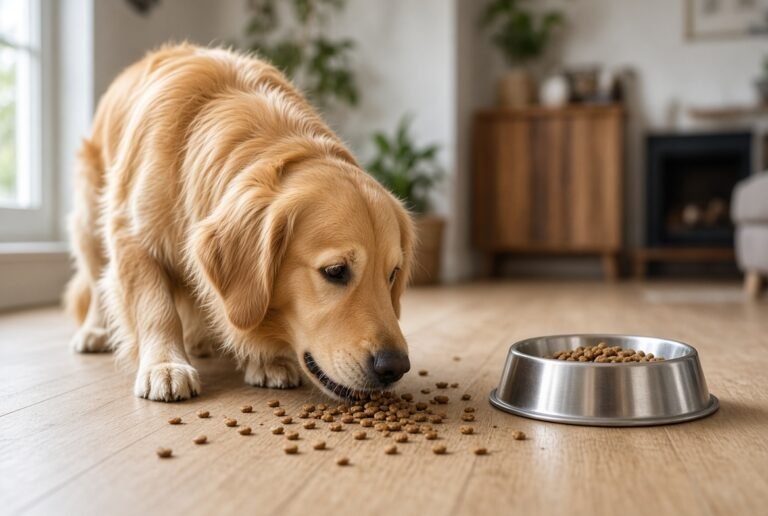
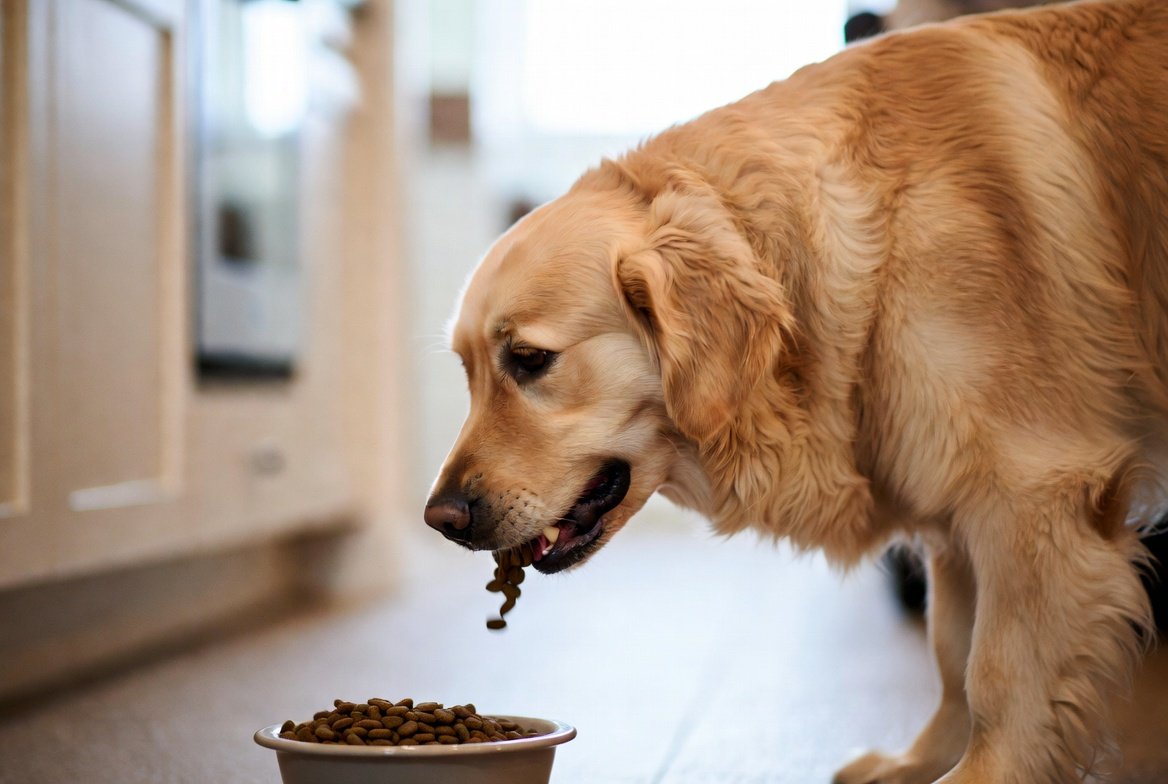
Have you ever filled your dog’s bowl, only to watch them grab a mouthful of kibble and march across the room before eating it?
Maybe they always head for the carpet. Maybe they carry the first bite to the living room where you’re sitting. Or perhaps they drop food beside the bowl and eat it one piece at a time.
At first glance, the habit seems strange. Many owners wonder whether their dog dislikes the bowl, is protecting their food, or has developed an unusual quirk.
In reality, Why Does My Dog Carry Food Away From the Bowl? usually has a simple explanation. The behavior often reflects instinct, comfort, learned habits, or the environment rather than a behavioral problem. However, if it appears suddenly or comes with other changes in appetite, it can sometimes point to an issue worth discussing with your veterinarian.
By understanding why your dog does it, you’ll know when it’s perfectly normal, when a few simple changes can help, and when it’s time to seek professional advice.
Table of Contents
- Quick Answer
- Why Dogs Carry Food Away From the Bowl
- The Science Behind This Feeding Behavior
- 9 Common Reasons Dogs Carry Food Before Eating
- When the Behavior Is Completely Normal
- When You Should Be Concerned
- How to Stop Your Dog From Carrying Food Away
- Multi-Dog Household Tips
- Feeding Setup That Encourages Calm Eating
- Common Mistakes Owners Make
- Expert Tips
- Myth vs. Fact
- Frequently Asked Questions
- Final Thoughts
Quick Answer
If you’re asking, Why Does My Dog Carry Food Away From the Bowl?, the most likely reason is that your dog feels more comfortable eating somewhere else.
Many dogs inherit instincts from their wild ancestors, who carried food away from the main food source to reduce competition. Others simply prefer a quieter location, dislike the bowl itself, enjoy eating near their owner, or have developed a routine over time. In healthy dogs, this behavior is usually harmless unless it appears suddenly, is accompanied by pain or weight loss, or your dog struggles to eat.
Why Dogs Carry Food Away From the Bowl
Dogs don’t think about mealtime the way humans do.
For us, a food bowl is simply where dinner belongs. For dogs, eating behavior is influenced by instinct, experience, comfort, and the surrounding environment.
A Labrador may happily eat every bite from the bowl without moving. A Cavalier King Charles Spaniel might carry the first mouthful onto a rug before returning for another. Neither behavior is automatically wrong.
The important question isn’t whether your dog carries food away—it’s why.
Sometimes the answer is as simple as preferring a softer surface. Other times it’s about feeling safer, avoiding noise, or enjoying your company during meals.
Understanding the reason helps you decide whether the behavior is simply part of your dog’s personality or something that deserves closer attention.
The Science Behind This Feeding Behavior
The answer to Why Does My Dog Carry Food Away From the Bowl? starts long before modern dog bowls existed.
Ancient Survival Instincts
Wild canids didn’t leave food sitting in one place.
If they found more food than they could comfortably eat, carrying part of it to another location reduced the chance of another animal stealing it. Even though today’s dogs receive regular meals, some of those instincts remain.
Habit Formation
Dogs quickly repeat behaviors that lead to comfortable outcomes.
If carrying kibble onto the carpet resulted in a calm, undisturbed meal several times, your dog may simply repeat that routine because it has worked well before.
Environmental Conditioning
Dogs constantly associate places with experiences.
A noisy kitchen, slippery floor, or busy hallway can make one location feel less comfortable than another. Over time, your dog may learn that eating a few feet away feels safer or more relaxing.
Social Eating
Some dogs aren’t trying to hide their food at all.
Instead, they carry it closer to the people they trust. Owners often notice their dog taking the first mouthful into the living room before eating beside them. While not every dog does this, trainers and owner experiences suggest companionship can influence where some dogs prefer to eat.
Did You Know?
A behavior doesn’t have to solve a problem today for a dog to keep repeating it. If it once felt comfortable or rewarding, it can easily become part of their daily routine.
9 Common Reasons Dogs Carry Food Away From the Bowl
1. Instinct Tells Them to Eat Somewhere Safer
One of the most common explanations is inherited survival behavior.
Long before domestic dogs lived in homes, carrying food away from the main food source helped reduce competition. Your dog doesn’t consciously think about protecting dinner, but inherited instincts can still influence everyday behavior.
Real-Life Example
A rescue dog that previously competed with other dogs for meals may continue carrying kibble away even after years of living as the only pet. The behavior doesn’t necessarily mean they still feel threatened—it may simply have become a lifelong habit.
2. They Feel More Comfortable Away From the Bowl
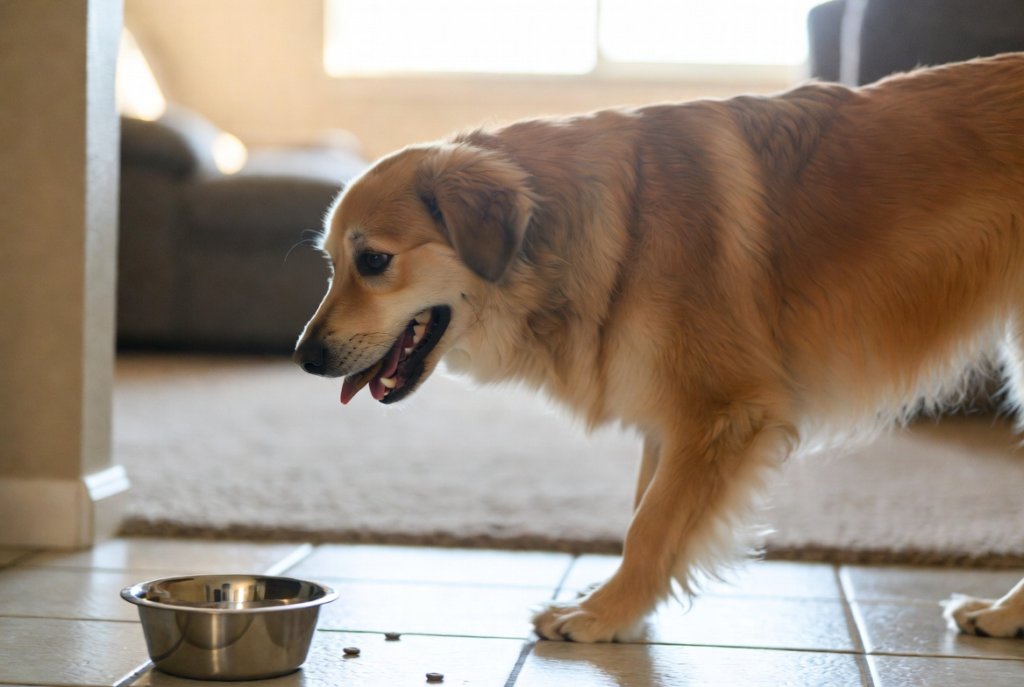
Sometimes the bowl isn’t the issue.
The location is.
Busy kitchens, children walking past, loud appliances, or constant movement can make eating less relaxing. Moving a short distance away allows some dogs to enjoy their meal without distractions.
3. They Want to Eat Near You
Some dogs prefer company while they eat.
Instead of staying in the kitchen, they may carry food into the room where you’re working or relaxing. This behavior is often called social eating and is usually linked to comfort rather than anxiety.
If your dog always brings the first mouthful to your feet before finishing dinner, companionship may be the real reason behind the habit rather than resource guarding.
4. The Bowl Itself Bothers Them
Not every dog enjoys eating from every bowl.
Possible reasons include:
- Metal bowls that make loud noises.
- Collar tags hitting the rim.
- A bowl that slides across the floor.
- Reflections inside shiny stainless-steel bowls.
- A bowl that’s too deep for comfortable eating.
Some owners notice improvement after switching to a heavier ceramic bowl or placing a non-slip mat underneath.
5. They Don’t Like the Surface Around the Bowl
The floor beneath the bowl can matter more than many owners realize.
Tile, laminate, or hardwood floors may feel slippery, especially for older dogs or dogs with joint discomfort. Instead of standing on an unstable surface, your dog may carry food onto a rug or carpet where they feel more secure.
This is one reason owners often notice that a dog eats food on the floor only after moving it to a softer area.
Quick Check
Ask yourself:
- Does your dog always carry food to the same rug?
- Do they hesitate before standing on the kitchen floor?
- Does the behavior disappear outdoors or on carpet?
If the answer is yes, the flooring—not the food—may be influencing your dog’s choice.
6. Other Pets Make Them Feel Rushed
Even in peaceful homes, dogs notice competition.
A nearby dog doesn’t have to steal food for another dog to feel the need to move it. Simply knowing another pet is present can encourage inherited food-protection behaviors.
The same can happen in homes with curious cats or young children who regularly walk close to the food bowl.
Real-World Example
Two dogs may eat happily side by side for months. Then one begins carrying the first mouthful into another room after a new puppy arrives. Nothing “bad” happened, but the household changed enough to influence feeding behavior.
If you have multiple pets, feeding them in separate rooms often creates a calmer mealtime.
7. They Want to Enjoy Their Favorite Pieces
Some dogs don’t move every bite.
Instead, they carry only the first mouthful or the tastiest pieces before returning to the bowl.
Rather than “saving favorites,” this behavior is more closely related to caching—an instinct inherited from wild ancestors that stored valuable food in safer places for later. Domestic dogs rarely need to hide meals, but pieces of this instinct can still appear in everyday life.
A dog might:
- Carry a piece of chicken onto the carpet.
- Take the first mouthful to their bed.
- Eat treats in a favorite corner.
- Return to finish the remaining kibble afterward.
That doesn’t automatically mean they’re resource guarding. Many healthy dogs simply prefer enjoying valuable food somewhere they find comfortable.
8. They’ve Turned It Into a Habit
Sometimes there isn’t a deeper explanation.
The behavior simply worked once—and your dog kept repeating it.
Dogs are excellent at building routines.
Perhaps your puppy carried kibble onto the carpet one day. Nothing unpleasant happened, so they did it again the next day. Weeks later, carrying food became part of every meal.
Habits like these often continue for years because they aren’t causing the dog any stress.
Trainer Insight
Dogs don’t always repeat behaviors because they’re necessary. They often repeat behaviors because they’ve become familiar and predictable.
9. Pain or Medical Discomfort Makes Another Position Easier
Most dogs that carry food away from the bowl are perfectly healthy.
However, if the behavior begins suddenly, don’t assume it’s just another quirky habit.
Medical problems can change the way a dog approaches food.
Possible causes include:
- Dental disease or a broken tooth.
- Neck pain.
- Arthritis affecting comfortable eating posture.
- Back pain.
- Vision changes that make approaching the bowl less comfortable.
- Nausea or other digestive problems.
If your dog suddenly starts carrying food away, struggles to chew, drops food repeatedly, loses weight, or seems uncomfortable during meals, schedule a veterinary examination. Changes in appetite or eating behavior can sometimes signal an underlying health problem.
Is This Behavior Usually Normal?
In many cases, yes.
The behavior is often harmless when your dog:
- Eats their normal daily amount.
- Maintains a healthy weight.
- Shows no signs of pain.
- Has carried food away for months or years.
- Acts happy and relaxed during meals.
Many dogs simply have unusual but harmless feeding routines.
When Should You Be Concerned?
A change deserves attention when the habit appears suddenly.
Contact your veterinarian if your dog:
- Stops eating altogether.
- Drops food while chewing.
- Cries when eating.
- Has swollen gums or bad breath.
- Loses weight.
- Vomits regularly after meals.
- Seems reluctant to approach the bowl.
A healthy quirk usually stays consistent. A sudden change in eating behavior deserves investigation.
Quick Decision Guide
| Situation | What It Usually Means | What You Should Do |
|---|---|---|
| Always carried food since puppyhood | Normal habit or instinct | Usually no action needed |
| Carries food to a carpet every meal | Comfort or preferred surface | Consider leaving the routine alone |
| Carries food because another pet is nearby | Competition or food security | Feed pets separately |
| Suddenly starts carrying food | Possible discomfort or illness | Arrange a veterinary check |
| Eats normally after moving food | Usually harmless | Monitor without forcing change |
How to Stop Your Dog From Carrying Food Away From the Bowl
If your dog is healthy, eating normally, and the behavior isn’t creating problems, you may not need to stop it at all.
Many dogs simply have unusual but harmless eating habits.
However, if kibble ends up scattered around the house, attracts pests, creates a mess, or becomes a concern in a home with young children, you can gently encourage your dog to eat closer to the bowl.
The goal isn’t to force the behavior to change overnight. Instead, make the feeding area more comfortable than anywhere else.
Step 1: Rule Out Medical Problems First
Before changing your dog’s routine, make sure there isn’t an underlying health issue.
Schedule a veterinary visit if your dog suddenly begins carrying food away after years of eating normally, especially if you also notice:
- Dropping food while chewing
- Bad breath or swollen gums
- Weight loss
- Difficulty picking up kibble
- Loss of appetite
- Neck stiffness or reluctance to lower the head
Pain changes behavior far more often than stubbornness.
Step 2: Improve the Feeding Environment
Small changes often make a noticeable difference.
Try:
- Feeding in a quieter room.
- Moving the bowl away from busy walkways.
- Using a non-slip mat.
- Reducing loud kitchen noises during meals.
- Allowing your dog to eat without interruptions.
Some dogs simply relax when they don’t feel watched or disturbed.
Step 3: Experiment With a Different Bowl
Not every bowl feels the same.
If your dog seems uncomfortable, consider changing:
| Current Bowl | Try Instead | Why It May Help |
|---|---|---|
| Lightweight metal | Heavy ceramic | Less noise and movement |
| Deep narrow bowl | Wider shallow bowl | Easier access for some breeds |
| Sliding bowl | Non-slip bowl | More stable while eating |
Some owners also notice improvement after removing noisy collar tags during meals or placing the bowl on a small rug.
Step 4: Feed Multiple Pets Separately
Competition doesn’t always involve fighting.
Even friendly dogs may feel pressured if another pet is nearby.
If you have more than one dog:
- Feed in separate rooms.
- Leave several feet between bowls.
- Allow each dog to finish without interruption.
- Pick up bowls after meals.
Reducing perceived competition often reduces food-carrying behavior.
Step 5: Consider Enrichment Instead of Correction
If your dog enjoys interacting with food, the habit may reflect natural foraging behavior rather than a problem.
Enrichment tools can make meals more engaging.
Examples include:
- Puzzle feeders
- Snuffle mats
- Food-dispensing toys
- Scatter feeding in safe outdoor spaces
These activities encourage natural sniffing and problem-solving while providing mental stimulation.
Trainer Tip
Don’t use enrichment to stop food carrying. Use it to satisfy your dog’s natural desire to work for food. Many dogs become calmer around mealtime when they have appropriate outlets for those instincts.
Multi-Dog Household Tips
Homes with multiple pets deserve special attention.
Even dogs that never growl or guard food may quietly adjust their eating habits when another animal is nearby.
Instead of assuming dominance, think about comfort and food security.
Create Separate Feeding Stations
Each dog should have enough personal space to eat comfortably.
Good options include:
- Different rooms
- Opposite corners of the kitchen
- Baby gates
- Crates (if your dog already enjoys using one)
Avoid Watching Each Other Eat
Visual barriers can reduce subtle stress.
Some dogs eat more confidently when they can’t see another pet finishing first.
Feed on a Consistent Schedule
Predictable mealtimes reduce uncertainty.
Dogs that know food arrives regularly are generally less likely to develop food-related anxiety.
Prevent Resource Guarding
Never punish growling around food.
Instead:
- Feed separately.
- Avoid reaching into bowls.
- Supervise high-value chews.
- Seek help from a qualified trainer if guarding escalates.
Preventing conflict is easier than correcting it later.
Does an Elevated Bowl Help?
Sometimes.
An elevated feeder isn’t a universal solution, but it may benefit certain dogs.
Older dogs or those with arthritis, neck pain, or mobility challenges may find eating from a raised bowl more comfortable.
Healthy young dogs usually don’t need one unless recommended by a veterinarian.
If you’re considering switching bowls, think about your dog’s individual needs rather than following trends.
Common Mistakes Owners Make
Trying to “fix” the behavior too quickly can create unnecessary stress.
Avoid these common mistakes:
- Punishing your dog for carrying food.
- Chasing them around the house.
- Constantly moving the bowl to new locations.
- Assuming the behavior is dominance-related.
- Ignoring sudden changes in eating habits.
- Feeding multiple pets too close together.
Remember, many dogs that carry food away from the bowl are perfectly healthy. The behavior only becomes a concern when it’s accompanied by other warning signs or creates practical problems.
Expert Tips for Cleaner, Calmer Mealtimes
Small adjustments often work better than trying to stop the behavior completely.
Experienced trainers generally recommend making the feeding area more comfortable instead of correcting a harmless habit.
Here are a few practical tips:
- Feed your dog at the same times each day.
- Wash food bowls regularly to remove odors and food residue.
- Use a stable bowl that doesn’t slide across the floor.
- Remove noisy collar tags during meals if they hit the bowl.
- Allow your dog to finish eating without interruptions.
- Observe whether the behavior changes after moving the bowl to a quieter location.
If your dog enjoys working for food, rotating puzzle feeders or snuffle mats a few times each week can provide healthy mental enrichment without encouraging bad habits.
Myth vs. Fact
| Myth | Fact |
|---|---|
| Carrying food always means resource guarding. | Most dogs that carry food are not resource guarding. Instinct, comfort, or habit are often more likely explanations. |
| Dogs should always eat directly from the bowl. | Many healthy dogs naturally prefer eating beside the bowl or on a soft surface. |
| You should immediately stop the behavior. | If your dog is healthy and eating normally, the habit often doesn’t require correction. |
| A new bowl fixes every problem. | Changing the bowl helps some dogs, but environment, comfort, and habit also play important roles. |
Frequently Asked Questions
Why does my dog bring food to me before eating?
Many dogs enjoy eating near their owners. Others simply feel more comfortable in the room where the family is spending time. If your dog eats normally and shows no signs of stress, this behavior is usually harmless.
Why does my dog only carry the first mouthful?
The first mouthful is often the most valuable from your dog’s perspective. Some dogs instinctively move it to a preferred eating spot before returning to finish the rest.
Why does my dog eat on the carpet instead of from the bowl?
Your dog may prefer the softer surface, dislike bowl noise, or simply have developed a routine of eating there. Many owners report this pattern.
Why does my dog hide kibble around the house?
Some dogs display a natural caching instinct, meaning they store valuable food for later. This behavior comes from their wild ancestors and isn’t unusual unless it becomes obsessive.
Should I stop my dog from carrying food away?
Not necessarily.
If your dog maintains a healthy weight, finishes meals, and has no signs of illness, carrying food away from the bowl is usually a harmless preference.
Can anxiety cause this behavior?
Yes.
Some dogs feel more comfortable eating in quieter areas or away from other pets. Mild anxiety, environmental changes, or previous experiences can all influence feeding behavior.
Does changing the bowl help?
Sometimes.
Switching from a noisy stainless-steel bowl to a heavy ceramic bowl or adding a non-slip mat helps some dogs feel more comfortable during meals.
When should I call a veterinarian?
Schedule an appointment if the behavior begins suddenly, your dog struggles to chew, loses weight, refuses food, or appears painful while eating.
Final Thoughts
If you’ve been wondering, Why Does My Dog Carry Food Away From the Bowl?, the answer is usually simpler than it first appears.
For most dogs, the behavior reflects instinct, comfort, habit, or a preference for eating in a quieter location. It doesn’t automatically mean something is wrong.
Before trying to change the habit, ask yourself whether it’s actually causing a problem. A healthy dog that occasionally carries kibble onto the carpet may simply have developed a mealtime routine that feels comfortable.
Focus on your dog’s overall health rather than the location of every bite. If they eat well, maintain a healthy weight, and seem relaxed during meals, there’s often little reason for concern.
On the other hand, sudden changes in eating behavior, obvious discomfort, or difficulty chewing deserve prompt veterinary attention. Catching an underlying issue early is always better than assuming it’s just another quirky habit.