
Why Does My Dog Keep Shaking His Head? Causes & Fixes
Why does my dog keep shaking his head? Ear infection or something stuck? A checklist for tonight, safe ear care steps, and the red flags for a vet.
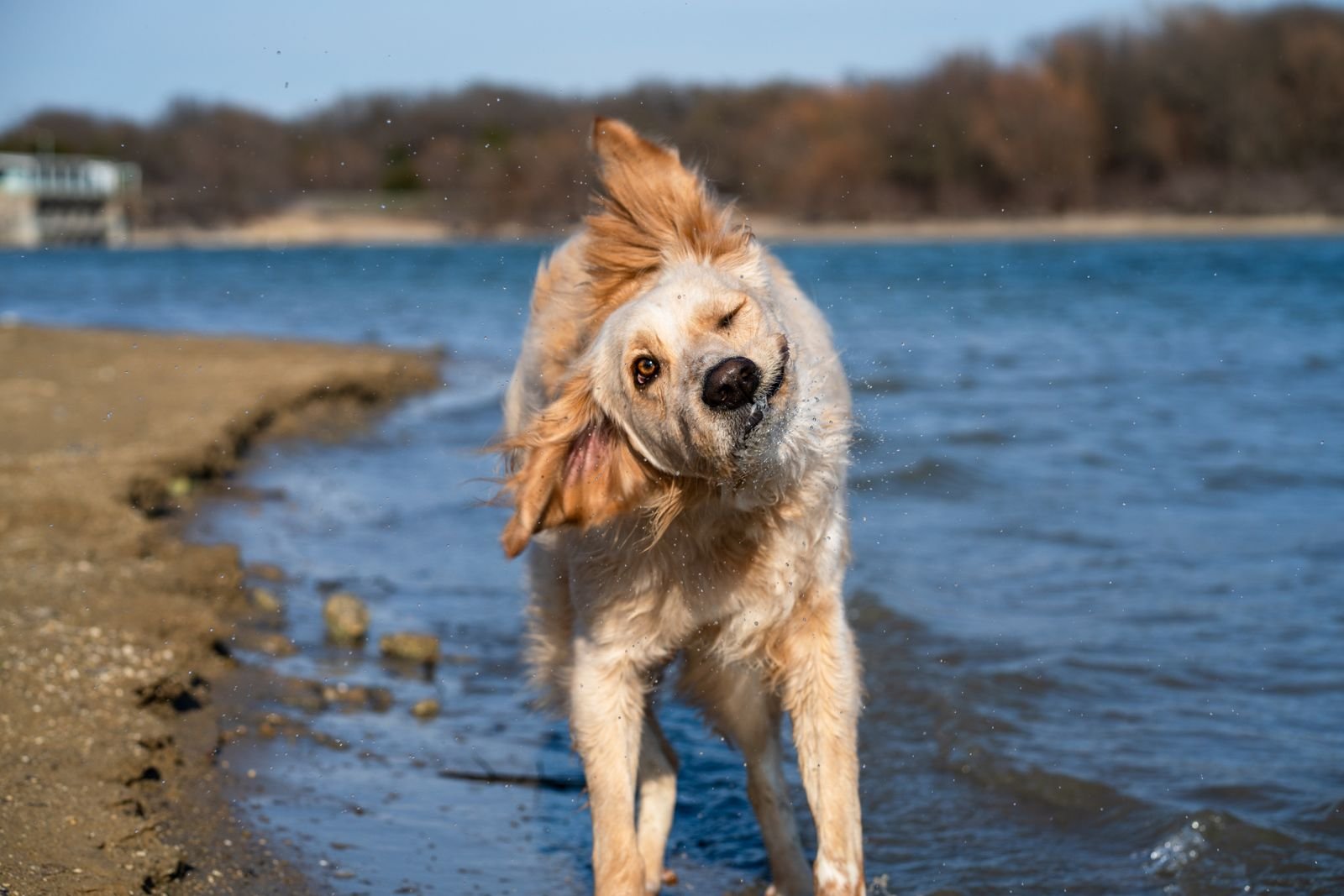
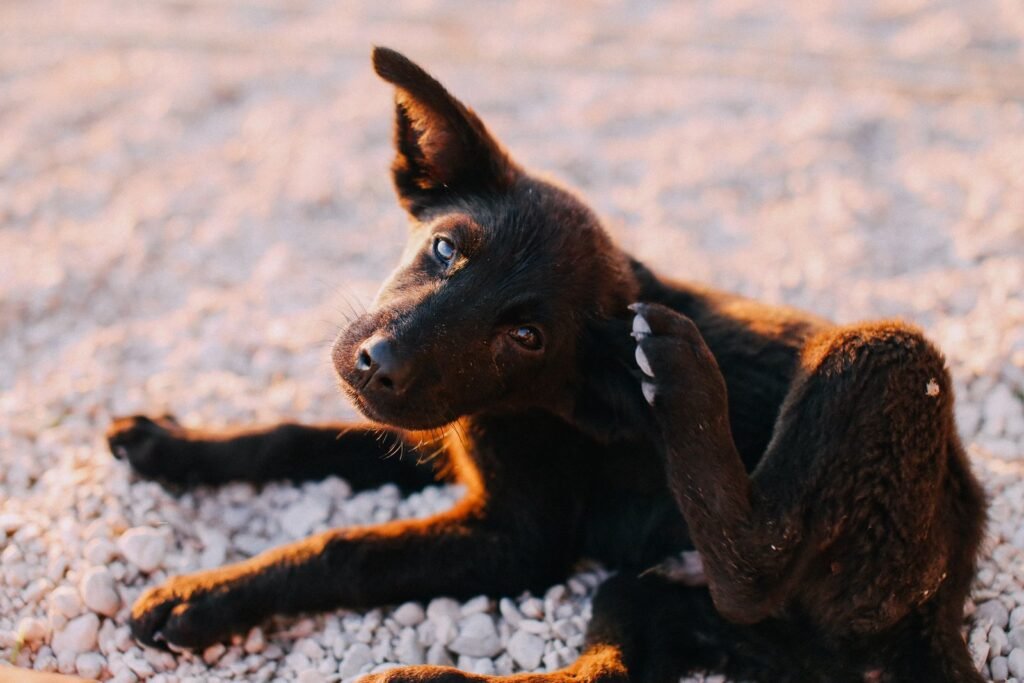
Every dog shakes its head after a bath. If you are asking why does my dog keep shaking his head at night, after walks, with ear scratching and rubbing on the carpet, something in the ear is likely sore or itchy.
Ear infection is a frequent reason, but it is not the only one. This guide shows a safe check for tonight, what not to put in the ear, and the signs that need a vet promptly.
Quick Answer: Why Does My Dog Keep Shaking His Head?
Repeated shaking usually means the ear is irritated. Infection, allergies, trapped water, wax or something stuck in the canal can all do it (VCA Animal Hospitals, PDSA). One shake now and then is normal. Shaking again and again, or hard shaking, is not. Redness, smell, discharge or pain means book a vet (Cornell University College of Veterinary Medicine).
Normal Shake or Problem Shaking?
A single shake after swimming, a bath or waking up helps clear water and debris. Problem shaking repeats through the day. It often comes with scratching or rubbing, and your dog may hold one ear down. Hard shaking can break blood vessels in the ear flap. That causes a swollen, spongy ear, called an aural haematoma, which needs a vet (VCA Animal Hospitals, PDSA).
Which Cause Is It? A Differentiation Table
| Pattern | Points to | Clues |
|---|---|---|
| Shaking + scratching, smell, discharge | Ear infection (yeast/bacterial) | Redness, brown/yellow discharge, sour smell (VCA Animal Hospitals) |
| Both ears + itchy skin/paws, seasonal | Allergies | Recurring infections, paw licking, face rubbing (PDSA) |
| Sudden, one ear, after a walk | Foreign body (grass seed, debris) | Pawing at one ear, head held to one side (PDSA) |
| Dark crumbly discharge, intense itch | Ear mites (more common in puppies) | Coffee-ground debris; other pets may itch too (VCA Animal Hospitals) |
| After swimming/bath, mild, settles | Water in the ear | Brief shaking, no smell or redness (Cornell University College of Veterinary Medicine) |
| Rhythmic bobbing, dog seems unaware | Head tremor (not shaking) | Involuntary, regular movement — video it for the vet (VCA Animal Hospitals) |
| Head tilt + wobbling, circling, eye flickering | Vestibular disease | Sudden balance loss — see below (PDSA) |
Tonight’s Checklist: Check Safely at Home
- Look. Lift the ear flap gently. The opening should look clean, with no redness or discharge. Note swelling, discharge colour, or anything visible at the opening (Cornell University College of Veterinary Medicine).
- Smell. A healthy ear has almost no smell. A sour or foul smell can point to infection (PDSA, VCA Animal Hospitals).
- One ear or both? One-sided signs often fit something stuck in one ear or a local infection. Both ears are more often linked with allergy or mites, but this is only a clue, not a diagnosis (PDSA, VCA Animal Hospitals).
- Watch how your dog moves. If your dog cannot walk straight, circles, or the eyes flicker, treat it as same-day vet care, not simple itch (PDSA).
- Check the flap. A thick, spongy swelling is a haematoma. Do not try to drain it at home. Your vet will deal with the swelling and the ear problem that caused it (PDSA).
- Note the pattern. After walks? After swimming? At night? Seasonal? This helps your vet.
What not to do
- Do not poke cotton buds or anything else deep into the canal. You can hurt the canal or eardrum and push debris deeper (VCA Animal Hospitals, Cornell University College of Veterinary Medicine).
- Do not use leftover ear drops from an old problem, or another pet’s medicine. Yeast and bacterial infections need different treatment, and the wrong drops can make things worse (VCA Animal Hospitals, PDSA).
- Do not use hydrogen peroxide or alcohol cleaners in an inflamed ear. They can irritate sore skin and do not treat the cause (VCA Animal Hospitals).
- Do not try to pull out anything stuck deep in the ear. That needs vet tools, and sometimes sedation (PDSA).
How to Clean a Dog’s Ears Safely
Clean only ears that look mildly dirty. If the ear is painful, red or smelly, see a vet first (VCA Animal Hospitals, Cornell University College of Veterinary Medicine). For routine cleaning:
- Use a vet-approved ear cleaner. Do not put plain water deep into the canal.
- Fill the canal gently with cleaner.
- Massage the base of the ear for about 30 seconds. You will hear a squelch.
- Let your dog shake. Stand back.
- Wipe away only what you can reach with cotton wool or gauze. Nothing goes deep into the canal.
If your dog yelps, pulls away, or the ear looks worse after cleaning, stop and see a vet.
“But His Ears Look Clean”
Clean-looking ears do not rule out a problem. The canal bends, so you cannot see deep inside. Infection, wax or something stuck can sit out of sight, and allergies can cause shaking with clean-looking ears (Cornell University College of Veterinary Medicine, VCA Animal Hospitals). If shaking keeps happening, your vet needs to look with an otoscope. Your eyes cannot reach the part that matters.
The Main Causes in Detail
Ear infection
A dog’s ear canal is L-shaped, with a bend that can trap moisture and debris (Cornell University College of Veterinary Medicine). With infection, dogs often shake and scratch. Ears can look red, smell bad, and produce dark or yellow discharge (VCA Animal Hospitals, PDSA). Treatment depends on whether yeast, bacteria or both are present, which is why vets sample the ear.
Allergies
Allergies sit behind many repeat ear infections. VCA notes allergies in a large share of cases, especially chronic or recurring ones (VCA Animal Hospitals). If infections keep coming back, ear drops alone may not be enough. Your vet may talk about flea control, a strict food trial for several weeks, and allergy testing with blood or skin tests. Testing is not perfect, and it is not always needed (PDSA, VCA Animal Hospitals).
Water and wax
Water left in the canal after swimming or bathing can irritate the ear. A warm, moist canal also helps bacteria and yeast grow (PDSA). Too much wax can trigger shaking too. Drying the outer ear after water helps.
Foreign bodies
Grass seeds are a common find in ears. Their shape helps them move inwards, and they do not come out on their own (PDSA). Sudden one-sided shaking after a walk through long grass needs a prompt vet visit.
Ear mites
Mites can look like infection, with dark, crumbly discharge and strong itch. VCA notes mites can cause signs very like infection, so a vet check matters (VCA Animal Hospitals). Puppies are affected more often than adult dogs.
Less common but serious causes
Sometimes the problem is not simple infection. A polyp or tumour in the canal will not clear with drops alone (VCA Animal Hospitals). Hormone problems such as hypothyroidism can also lead to repeat ear infections, so the underlying cause must be found and treated (VCA Animal Hospitals). Deep or long-running infection can damage the eardrum and affect hearing (VCA Animal Hospitals, PDSA). Dogs pick up sounds we cannot hear, so hearing loss matters. Immune-mediated problems can also cause tremor-type signs and need vet tests rather than ear drops (VCA Animal Hospitals).
Shaking vs tremor vs vestibular
Shaking is voluntary. Your dog is trying to shift an irritant. A head tremor is different: involuntary, rhythmic bobbing. Film it if you can. Your vet may refer your dog to a neurologist for tests such as MRI or spinal fluid sampling (VCA Animal Hospitals). Vestibular disease is different again, with sudden balance loss, a head tilt, flickering eye movements, circling or falling. PDSA advises same-day vet contact (PDSA).
Which Dogs Are Most at Risk?
Breeds with floppy, hairy or narrow ear canals, such as Cocker Spaniels, Miniature Poodles and Old English Sheepdogs, can trap more moisture and debris (VCA Animal Hospitals). Dogs that swim often, and dogs with allergies, also need closer ear watching.
Prevention After Swimming and Baths
- Before a bath, you can place loose cotton balls at the ear opening to keep water out, or use an ear band if your dog tolerates it. Remove cotton balls straight after, and never push them deep.
- Dry the outer ear gently with a towel after water exposure (PDSA, Cornell University College of Veterinary Medicine).
- Ask your vet whether a drying ear cleaner after swims suits your dog.
- Keep hair around the ear opening trimmed if your vet advises it.
- Check ears weekly if your dog is prone to problems. Early redness is easier to deal with than a full infection.
When to See a Vet
- Shaking that is frequent or vigorous, or that keeps happening.
- Redness, swelling, discharge, smell, or pain when the ear is touched (Cornell University College of Veterinary Medicine).
- One-sided shaking after a walk, which can mean something is stuck (PDSA).
- A swollen, spongy ear flap.
- Balance problems, flickering eyes, or vomiting — same day (PDSA).
- Recurring infections. The underlying cause needs finding (VCA Animal Hospitals).
What Will the Vet Do?
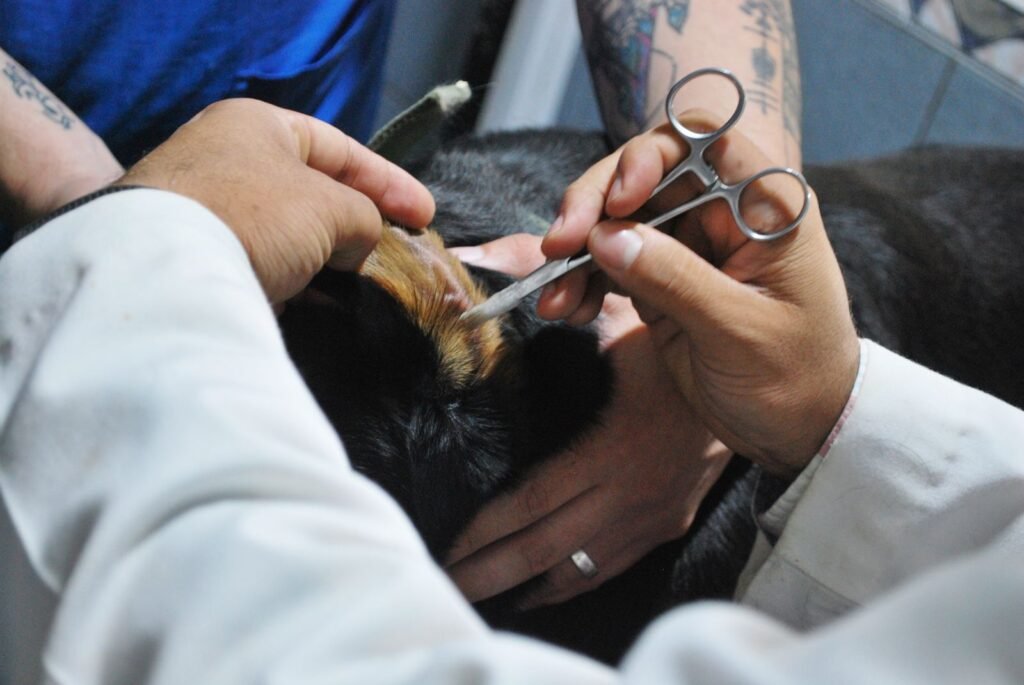
Expect an otoscope exam to view the canal and check the eardrum, plus a sample checked under a microscope (cytology) to guide treatment (VCA Animal Hospitals, PDSA). Your vet will ask about swimming, allergies and past ear problems. Treatment follows the findings: cleaning, medicated drops, allergy care, or removal of something stuck. If the ear is very painful or something is lodged deep, sedation or anaesthetic may be needed (VCA Animal Hospitals, PDSA).
Key Takeaways
- Frequent shaking usually means ear irritation. Infection is common, but not the only cause.
- One ear often points to something stuck or a local problem. Both ears more often fit allergy or mites.
- Clean-looking ears can still hide a deep problem.
- Never poke anything deep into the canal. Clean only what you can reach (VCA Animal Hospitals).
- Balance problems need same-day vet care (PDSA).
- Hard shaking can swell the ear flap. A swollen flap needs a vet.
FAQs
How do I tell if my dog has an ear infection?
Look for head shaking or scratching, redness, discharge or extra wax, a bad smell, and pain when you touch the ear (Cornell, VCA). Only a vet examination can confirm infection, because mites and other problems can look similar.
Can I give my dog Benadryl for head shaking?
Only if your vet advises it. Benadryl (diphenhydramine) is an antihistamine for allergic reactions (VCA); it does not treat ear infection, wax or anything stuck in the ear. Ask your vet about suitability and dose.
Will hydrogen peroxide clear up a dog’s ear infection?
No. Cleaners with hydrogen peroxide or alcohol can irritate an inflamed ear (VCA) and do not treat the cause. See What not to do above, and book a vet for diagnosis.
What ear drops can I use at home?
Only drops your vet has prescribed for this episode. Yeast and bacterial infections need different treatment (VCA, PDSA), so leftover drops can be the wrong choice.
Why does my dog shake his head but have no ear infection?
Allergies, wax, trapped water, something stuck in the ear, or pain can all cause shaking without infection (VCA, Cornell). If shaking continues after infection is ruled out, ask your vet about allergy checks and a deeper ear examination.
How can I soothe my dog’s ear irritation?
Keep the outer ear clean and dry, stop scratching where you can, and do not put home remedies, oils or leftover drops in the ear. If the ear is red, smelly, painful or your dog keeps shaking, book a vet rather than treating it at home (VCA, PDSA).
Are head tremors in dogs serious?
Tremors are involuntary rhythmic bobbing, different from shaking, and they need veterinary assessment (VCA). Film an episode if you can. Your vet may refer your dog to a neurologist for further tests.
Sources
- VCA Animal Hospitals — Ear Infections in Dogs (Otitis Externa)
- VCA Animal Hospitals — Ear Cleaning and Administering Ear Medication in Dogs
- VCA Animal Hospitals — Diphenhydramine
- VCA Animal Hospitals — Implementing an Elimination-Challenge Diet Trial Dog
- VCA Animal Hospitals — Shaker Syndrome in Dogs
- PDSA — Ear infections in dogs
- PDSA — Vestibular disease in dogs
- PDSA — Grass seeds in dogs
- PDSA — Swollen ear flap in dogs
- PDSA — Skin allergies in dogs
- Cornell University College of Veterinary Medicine — How to Clean Your Dog’s Ears
Photo Credits
Featured photo: gabesdotphotos via Pexels. Scratching photo: Rachel Claire via Pexels. Vet photo: Ermelinda Maglione via Pexels.

2 Comments