

Are Rabbits Rodents? No — Here’s the Real Answer
No — rabbits aren’t rodents. They’re lagomorphs: discover the 1912 reclassification, peg teeth, 5 key differences, and what it means for your rabbit’s care.
No — rabbits are not rodents. If you have ever typed “are rabbits rodents” into Google, you are in good company: those ever-growing front teeth fooled naturalists for more than a century. In truth, rabbits belong to their own order, Lagomorpha, alongside hares and pikas — while true rodents such as rats, mice, and hamsters sit in the separate order Rodentia. This guide gives you a rabbit taxonomy checklist, 5 clear differences between rabbits and rodents, the story of the 1912 reclassification, whether the two groups are related at all, and what being a lagomorph means for your rabbit’s diet and care.
- Four upper incisors, not two — rabbits have small peg teeth behind the main pair.
- Separate order since 1912 — Lagomorpha, not Rodentia.
- Different digestion — strict herbivore, hindgut fermenter, re-ingests cecotropes.
The Short Answer: No — Rabbits Are Lagomorphs
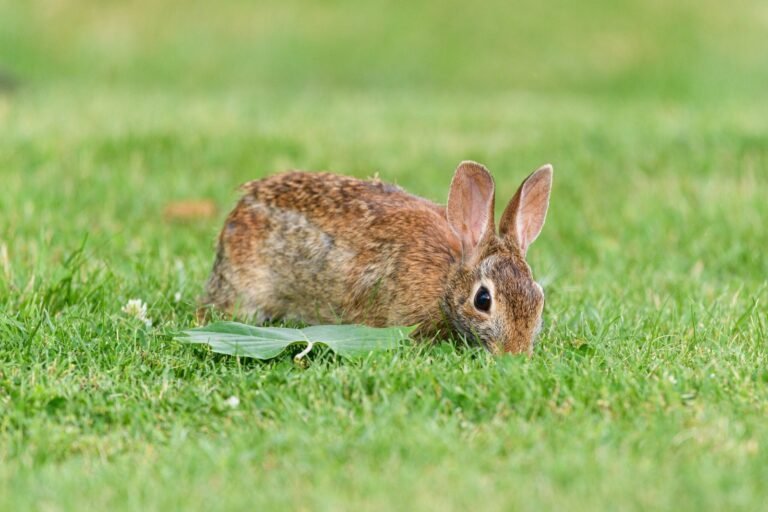
Rabbits are lagomorphs: members of the order Lagomorpha and the family Leporidae. Their closest living relatives are hares and pikas — not rats, mice, or hamsters. Rodents form an entirely separate order, Rodentia. The two orders share a distant branch of the mammal family tree, which explains the resemblance — but they differ enough in teeth, diet, and digestion that scientists gave each group its own order. And to clear up one more common mix-up: rabbits are absolutely mammals (warm-blooded, fur-covered, and milk-producing) — they are simply not rodents. The Animal Diversity Web’s Lagomorpha account places rabbits, hares, and pikas together in Lagomorpha, across two families: Leporidae (rabbits and hares) and Ochotonidae (pikas).
Rabbit Taxonomy Checklist
Here is exactly where the domestic rabbit (Oryctolagus cuniculus) sits in the tree of life:
- ✅ Kingdom: Animalia
- ✅ Phylum: Chordata
- ✅ Class: Mammalia
- ✅ Order: Lagomorpha — the decisive line: rabbits are lagomorphs, not rodents
- ✅ Family: Leporidae (rabbits and hares)
- ✅ Genus and species: Oryctolagus cuniculus
5 Key Differences Between Rabbits and Rodents
Place a rabbit skull next to a rat skull and the differences jump out. Here are the five that matter most:
| Feature | Rabbit (lagomorph) | Rodent |
|---|---|---|
| Upper incisors | Two pairs — including small “peg teeth” behind the main pair | One pair |
| Scientific order | Lagomorpha | Rodentia |
| Diet | Strict herbivore | Varied by species: herbivores, omnivores and others. |
| Digestion | Hindgut fermenter; cecotrophy routine. | Varied — many are hindgut fermenters; cecotrophy only in some species. |
| Closest relatives | Hares and pikas | Mice, rats, squirrels, and hamsters |
Why the Mix-Up? The 1912 Reclassification Story
From Linnaeus’s system until 1912, rabbits were grouped with rodents — and it is easy to see why. Continuously growing front teeth looked like the defining rodent trait, so naturalists grouped rabbits, hares, and pikas with rats and mice.
That changed in 1912, when American palaeontologist James Williams Gidley formally described Lagomorpha as an order of its own, separate from Rodentia. The deciding evidence lay in the skull — above all, the second pair of upper incisors that no rodent possesses. (Brandt coined Lagomorpha as a suborder of rodents in 1855; Gidley formally described it as an order in 1912.) You can read the full history of the order on Wikipedia.
How Do You Say “Lagomorph”?
It’s pronounced LAG-uh-morf. The word joins the Ancient Greek words for “hare” (lagos) and “form” (morphe) — literally, “hare-shaped”. See Merriam-Webster’s definition of lagomorph for the pronunciation and etymology.
So Are Rabbits and Rodents Related at All?
Distantly, yes. Rodents and lagomorphs both belong to a larger mammal group called Glires, which means they share an ancient common ancestor — but the two orders went their separate evolutionary ways a very long time ago. Think of them as distant cousins rather than siblings. The wider Euarchontoglires/Glires grouping is described by the University of Reading’s Cole Museum of Zoology. In Petcavo’s view, that distant link is why so many people ask “are rabbits rodents” in the first place. What rabbits are related to, in short: hares and pikas first; rodents only as distant Glires cousins — not horses, which are Perissodactyla, not close relatives. Britannica’s lagomorph overview describes the same order.
What Are Peg Teeth?
Peg teeth are the small second pair of upper incisors sitting directly behind a rabbit’s large front teeth. No rodent has them — every rodent makes do with a single pair of upper incisors — which makes peg teeth the quickest skull check. A second check is the fenestrated (latticed) snout bone.
Like the main incisors, a rabbit’s teeth never stop growing, so constant access to fibrous hay is essential to keep them worn down.
What Being a Lagomorph Means for Your Rabbit
This is where the taxonomy lesson pays off in real life: it explains how to feed your rabbit. As lagomorphs, rabbits are strict herbivores and hindgut fermenters: tough plant fibre is fermented in an enlarged caecum, and rabbits then re-ingest the resulting nutrient-rich cecotropes to absorb the goodness. A rodent-style seed mix, or dog and cat food, is unsuitable as a rabbit diet for this digestive system — a rabbit-savvy vet can check teeth and droppings if either changes. Getting the diet right is one of the biggest factors in how long a pet rabbit lives — typically 8–12 years with good care.
A simple daily split: hay and grass — about 80% of the diet. Leafy greens: about 10–20%. Pellets and treats: small and measured. Change any diet gradually over 2–3 weeks, and skip alfalfa and clover hay for adults. For extras, remember carrots are a treat, not a staple; cabbage only in small amounts, and tomatoes and grapes only as occasional extras, not daily food. Uneaten cecotropes (soft, grape-like droppings left in the hutch) often mean too many pellets or treats and too little hay.
- Skip seed/nut mixes sold for rodents — even herbivore rodent mixes are not a rabbit diet — because they are low in long fibre and high in starch and fat for a hindgut fermenter.
- Don’t be alarmed if your rabbit eats its cecotropes — that’s normal, healthy cecotrophy.
- Rabbit incisors: white. Many rodent incisors: orange-brown.
Rabbit.org’s guide to cecotropes explains this unique digestive strategy in more detail.
Key Takeaways
- Rabbits are lagomorphs, not rodents — separate order since 1912.
- Peg teeth and a hay-first diet set them apart.
- House rabbits with rabbits; feed treats sparingly.
Frequently Asked Questions
Are bunnies basically rats?
No — a bunny is a lagomorph; a rat is a rodent. ‘Bunny’ usually means a young rabbit, but in pet talk it is also used for adult rabbits — either way, a bunny is a lagomorph, not a rat.
When did rabbits stop being rodents?
1912 — see the 1912 reclassification story above: Gidley formally established Lagomorpha as a separate order.
Are rabbits rodents or marsupials?
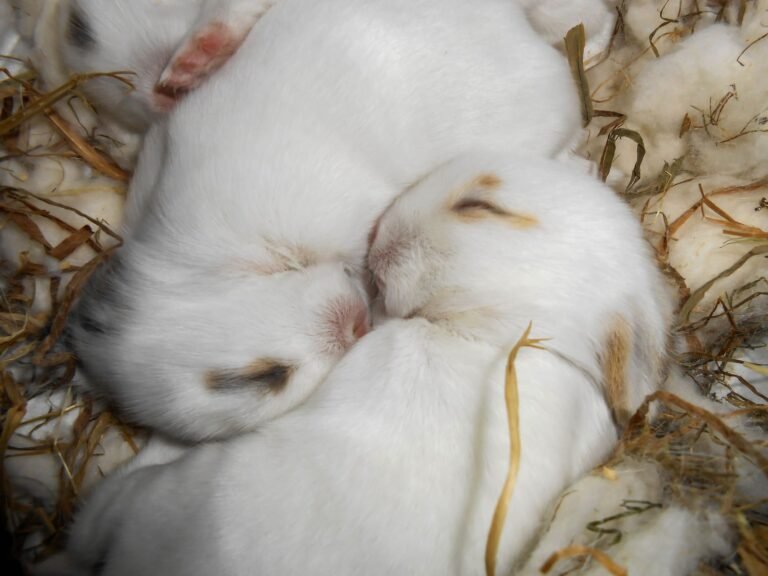
Neither — rabbits are not marsupials either. Marsupials, such as kangaroos and koalas, are pouched mammals whose tiny newborns complete their development in a pouch. Rabbits are placental mammals: babies develop in the womb and are born without a pouch — but rabbit kits are still born blind and hairless.
Are rabbits vermin?
“Vermin” is not a scientific category at all — it is a human label for animals considered pests. Your pet rabbit is not classed as vermin in the scientific sense. Wild rabbits introduced to new regions, such as Australia, are a different story: there they are managed as agricultural pests.
Do people eat rabbits?
In much of the world, they do. France, Italy, and Spain have long traditions of rabbit meat production and consumption, as a study of rabbit-meat consumption across eight countries documents. In the United States it is uncommon mainly for cultural reasons — rabbits are widely seen as pets rather than livestock.
What does “lagomorph” mean?
“Hare-shaped” — from the Ancient Greek lagos (hare) and morphe (form), pronounced LAG-uh-morf. See “How Do You Say Lagomorph?” above.
Are hares and pikas rodents too?
No — hares are Leporidae lagomorphs, like rabbits, and pikas are lagomorphs too — all carry peg teeth behind their upper incisors.
Are rabbits nocturnal?
Pet rabbits are usually crepuscular — most active at dawn and dusk.
Can rabbits live with pet rodents like guinea pigs?
It’s not a good idea. Rabbits and guinea pigs speak different body languages, need different diets — guinea pigs, unlike rabbits, need a daily source of vitamin C — and a rabbit can seriously hurt a guinea pig, even by accident. Rabbits can also carry bacteria that are dangerous to guinea pigs. The RSPCA advises keeping each with companions of their own kind instead: see its guinea-pig diet advice and rabbit companionship advice.
Are guinea pigs rodents?
Yes — guinea pigs are true rodents in the cavy family. Hamsters, gerbils, mice and chinchillas are rodents in other families, while rabbits stand apart as lagomorphs.
Are squirrels and chipmunks rodents?
Yes. Squirrels and chipmunks are both classic rodents in the order Rodentia — along with beavers, porcupines and capybaras — sharing the single pair of endlessly growing upper incisors that defines a rodent.
What to do next:
1. Check the hay is unlimited and the mix is not a rodent mix.
2. If teeth look overgrown or droppings change, see a rabbit-savvy vet.
3. House rabbits with rabbits, not guinea pigs.
Photo Credits
Featured photo: “Close-up of a fluffy rabbit with a daisy on its head” by Riika J via Pexels (free to use).




4 Comments