
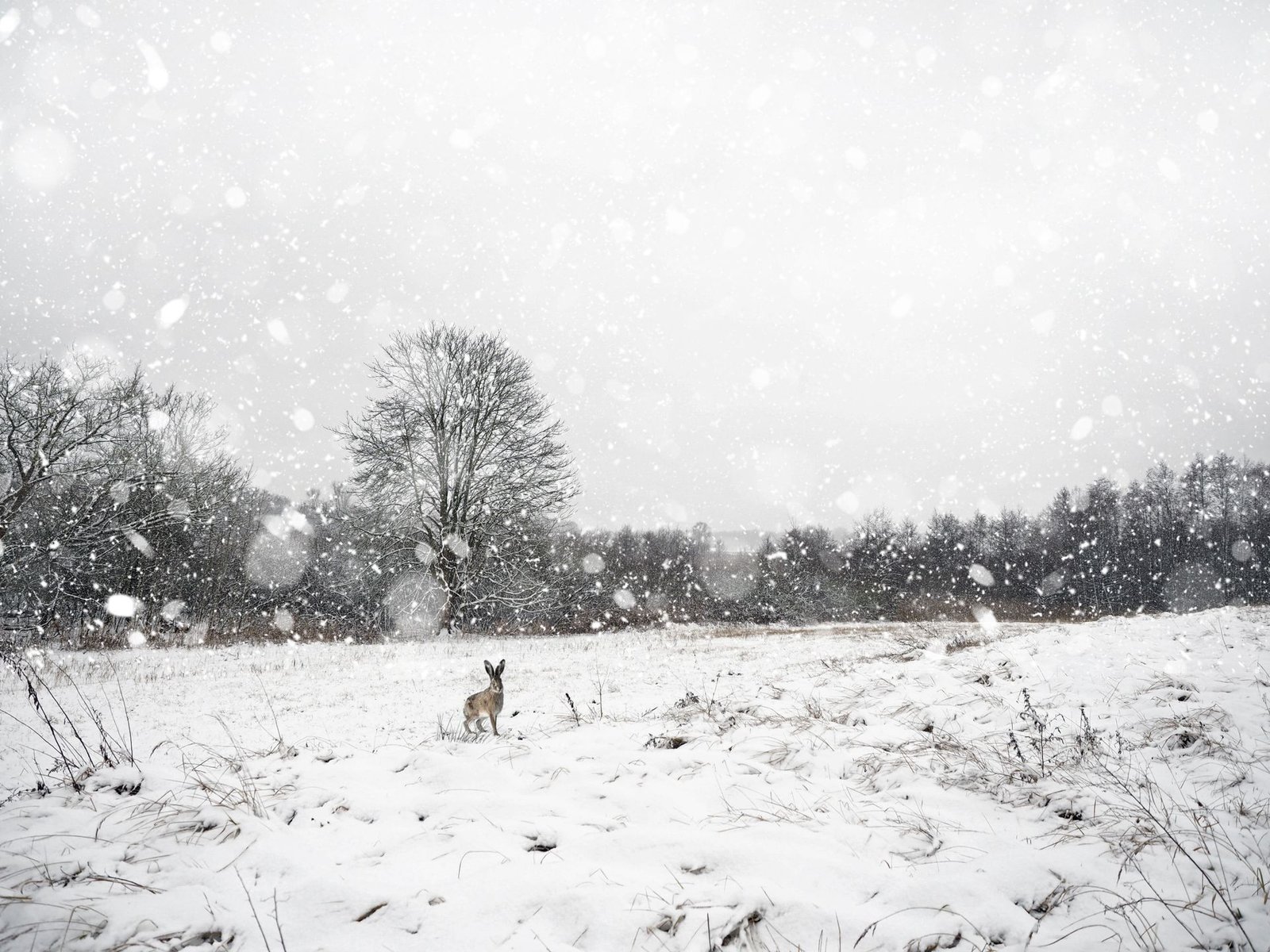
Do Rabbits Hibernate? No — Winter Survival Guide
No, rabbits don’t hibernate — they stay awake all winter. Learn how wild and pet rabbits survive the cold, plus temperature limits and winter care tips.
Do rabbits hibernate? No — but rabbits are built for winter in other ways. Here’s how they really survive the cold.
Quick answer: No — not wild ones, not pet ones. Rabbits do not hibernate — they stay awake all winter, but are less active and rest more between feeds. Instead of sleeping through winter, they grow a thick coat, shelter in warrens and other cover, and keep foraging. The Scottish SPCA confirms that rabbits do not hibernate in winter.
Why Rabbits Can’t Hibernate
Hibernation means months of deep sleep without food — heart rate, breathing, and metabolism slow to almost nothing. Rabbits can’t do this. Rabbits need frequent fibre to keep the gut moving; a rabbit that stops eating or stops passing droppings needs a vet the same day. Rabbits do not hibernate, and are not described as entering torpor in the welfare guidance cited here.
Why People Think They Hibernate
In winter, rabbits seem to vanish. Here’s why:
- They hide. Wild rabbits use warrens, forms, dense cover, and brush piles, out of sight for long stretches.
- They’re crepuscular. Rabbits are most active at dawn and dusk — the hours you’re least likely to spot them.
- Their coat changes. A thicker, duller coat helps them blend with bare ground and brush; it does not make them white for snow.
- They move less. Resting between feeds saves energy, so they stay still for hours.
They’re still there. Just quieter.
How Wild Rabbits Survive Winter
Wild rabbits survive winter through four key adaptations:
| Adaptation | How It Works |
|---|---|
| Thick winter coat | Fur grows denser in autumn; traps body heat |
| Shelter | European rabbits: warrens. Eastern cottontails: forms, brush piles, dense cover and borrowed dens — they do not normally dig their own burrows. |
| Diet shift | Bark, twigs and buds when greens are gone. |
| Less movement | Resting conserves energy between feeds |
Do not feed pet rabbits garden bark or twigs indiscriminately.
Pet vs Wild Rabbits in Winter
| Wild Rabbits | Pet Rabbits | |
|---|---|---|
| Shelter | Warrens, forms, dense cover | Hutch you winter-proof |
| Coat | Full thick coat | May not have grown a thick winter coat if kept indoors. |
| Food | Forage bark/twigs | You provide hay + greens |
| Biggest risk | Predators, starvation | Cold hutch, frozen water |
| Your job | Do not handle or feed wild rabbits; leave cover undisturbed. | Insulate, check water, watch for cold signs |
Temperature Guide: When to Act
| Temperature | Level | What to Do |
|---|---|---|
| 10–20°C (50–70°F) | Ideal | Normal care |
| 0–10°C (32–50°F) | Caution — PetCavo guidance | Extra bedding, check water twice daily |
| Below 0°C (32°F) | Danger | Below 0°C: insulate well or move the home to a sheltered shed, outhouse or car-free garage; consider the house only as a gradual move. |
Source: RSPCA (ideal range; consider moving near freezing).
Wind and wet increase the risk; a dry, draught-free shelter matters as much as the thermometer reading.
Signs Your Rabbit Is Too Cold
Cold and wet rabbits can become seriously ill and may need urgent veterinary care — do not wait to see if a limp, sleepy rabbit improves.
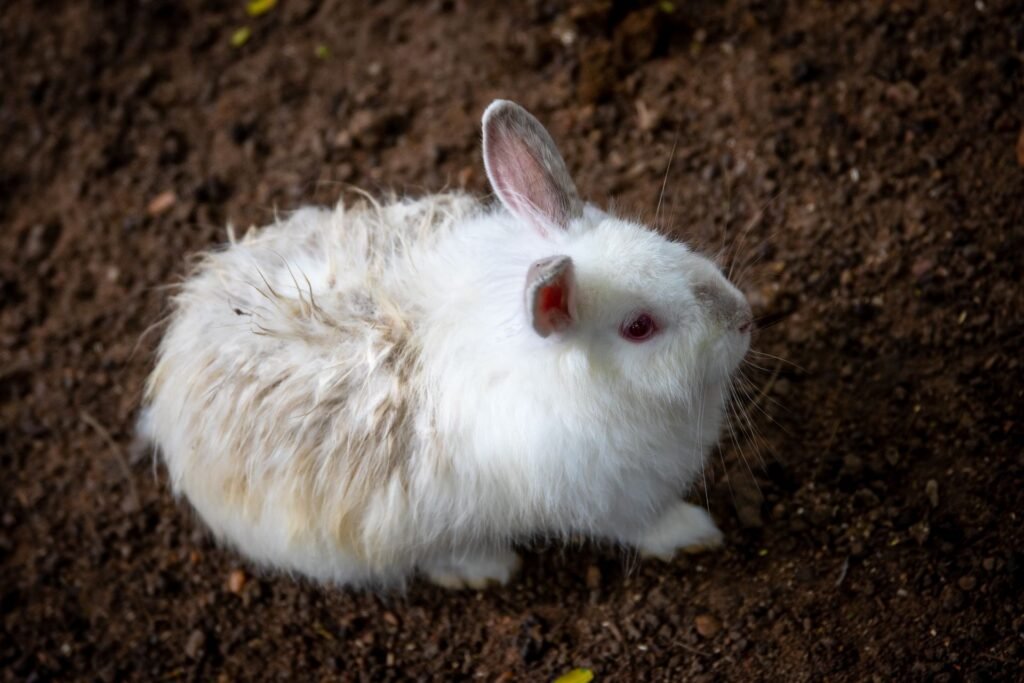
- Shivering — trying to generate heat
- Hunched posture — curled tight to save warmth
- Cold ears and paws — feel under the fur too
- Lethargy — barely moving, sluggish
- Hiding more than usual — escaping the cold
What to do: Move to a warmer spot. Use only a rabbit-safe heat pad or a towel-wrapped bottle as a vet advises, never direct or unguarded heat, and dry a wet rabbit with a towel. Call a rabbit-savvy vet the same day if they don’t perk up quickly.
Critical: A limp, sleepy rabbit in winter is NOT hibernating. It’s an emergency.
Call a vet the same day if you see:
- Not eating
- No droppings
- Limp or sleepy
- Collapse
- Pale gums
- Wet and cold
- No improvement after warming
Winter-Proofing Checklist
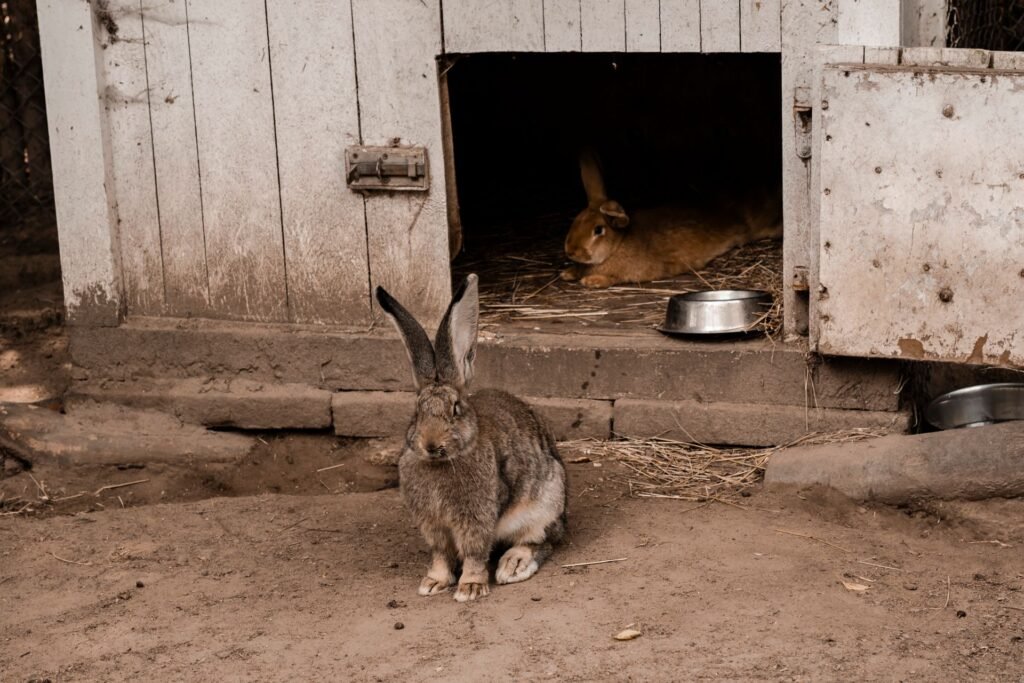
- Hutch raised at least 10 cm off the ground (RSPCA) — cold seeps up
- Use deep straw for bedding and keep unlimited hay for eating; straw does not replace eating hay.
- Cover most of the hutch at night, leave a small area open for ventilation, and do not seal it into a box.
- Check water at least twice daily, including the bottle spout; keep a spare bottle indoors and swap it when frozen. A heavy ceramic bowl helps prevent tipping, not freezing.
- Offer extra hay in winter because rabbits burn more energy keeping warm.
- Shelter from wind and rain — move hutch if needed
- Use a bottle cover, and never add antifreeze or hot water to a drinking bottle.
- Clear out damp bedding daily — wet bedding chills rabbits fast
- Clear the run of snow, check feet after snow, and never leave a rabbit in a snow-blocked run.
- Give daily sheltered exercise (RSPCA), not just hutch care.
Consistent winter care — dry shelter, unfrozen water, the right bedding — goes a long way towards helping your rabbit live longer.
Morning and evening winter routine:
- Check water and spout
- Swap the spare bottle
- Remove damp bedding
- Check food is not frozen or frosty
- Check ears, posture, eating and droppings
Moving Your Rabbit Indoors: Do It Right
Sometimes you must bring them in — deep freeze, illness, old age. An emergency mid-winter move is a vet-guided exception, not a routine safe way.
The safe way:
- Plan ahead: bring rabbits indoors for increasingly longer periods during summer and autumn.
- Be very cautious about short indoor stays for outdoor rabbits, as they may have difficulty adjusting.
- Keep the room cool, not hot, and never put the home next to radiators.
Going back outside? Do not return a rabbit outside full-time until days are at least 10°C, and keep it indoors at night while temperatures are low. Move through a shed, outhouse or car-free garage first, over days — never straight from a warm room to a freezing hutch.
Why it matters: sudden temperature swings stress rabbits and can trigger illness.
What About Summer? (Do Rabbits “Hibernate” in Heat?)
No. Some animals sleep through summer heat (called aestivation). Rabbits don’t do that either. Rabbits can suffer heat stress; provide shade, cool tiles and fresh water in hot weather.
Key Takeaways
- Rabbits do not hibernate — they stay awake all winter, but are less active and rest more between feeds.
- Wild rabbits survive with warrens, forms, dense cover, thick coats, and bark foraging.
- Ideal temp: 10–20°C; below 0°C, insulate well or move the home to a sheltered shed, outhouse or car-free garage.
- Cold signs: shivering, hunched, lethargy, cold ears and paws — act fast
- Use deep straw for bedding and keep unlimited hay for eating.
- Sudden warmth and sudden cold both stress rabbits; move them gradually and do not return a house-kept rabbit straight to a freezing hutch.
- A limp winter rabbit is an emergency, not hibernation
FAQs
Do wild rabbits hibernate in winter?
No. Rabbits do not hibernate — they stay awake all winter, but are less active and rest more between feeds. European rabbits shelter in warrens; Eastern cottontails use forms, brush piles, dense cover and borrowed dens. They grow thick coats and forage for bark and twigs. You see them less because they hide more and are most active at dawn and dusk.
Why don’t I see rabbits in winter?
They’re hiding, not sleeping. Rabbits spend more time in warrens, forms and dense cover, move less to save energy, and their winter coat camouflages them. They’re crepuscular — check at dawn or dusk.
What temperature is too cold for rabbits?
Below 0°C: insulate well or move the home to a sheltered shed, outhouse or car-free garage; consider the house only as a gradual move. The ideal range is 10–20°C. Wind and wet increase the risk.
Should I bring my rabbit inside for winter?
Only if you must, in deep cold, illness or old age. A dry, draught-free, well-insulated outdoor home suits most rabbits. If you bring one in, do it gradually, into a cool room, and plan ahead over summer and autumn; short stays back and forth stress rabbits.
How do I know if my rabbit is too cold?
Look for shivering, hunched posture, cold ears and paws, lethargy, or hiding more than usual. If you see these, use only a rabbit-safe heat pad or a towel-wrapped bottle as a vet advises, never direct or unguarded heat, and dry a wet rabbit with a towel. Call a vet the same day if they don’t perk up quickly.
Can rabbits get frostbite?
Ears and paws are most at risk in extreme cold. Keep them dry and sheltered; wet fur loses much of its insulation.
Do baby rabbits handle winter worse?
Very young kits and older rabbits need extra checks in winter. Kits need warmth and their mother, and the right food (see what baby rabbits eat). Never take wild baby rabbits from the wild; leave them with their mother. Older rabbits need extra warmth and monitoring.
Do rabbits hibernate in summer?
No. Some animals aestivate (summer sleep), but rabbits don’t. Rabbits can suffer heat stress; provide shade, cool tiles and fresh water in hot weather.
Do hares hibernate?
No. Hares don’t hibernate either — they stay awake all winter, but are less active and rest more between feeds, relying on their thick coat and sheltered spots called forms. You’ll often spot their tracks in the snow.
Do rabbits migrate?
No. Rabbits stay in the same area all year — they don’t travel to warmer places. European rabbits shelter in warrens; Eastern cottontails use forms, brush piles, dense cover and borrowed dens. They switch to bark and twigs when green food runs out.
How long do rabbits hibernate?
Rabbits do not hibernate at all, so there is no hibernation period to count in days, weeks or months. They stay awake all winter, but are less active and rest more between feeds. If a rabbit looks still for hours, check eating, drinking and droppings — a limp, sleepy rabbit is an emergency, not a sleeping one.
Where do rabbits sleep in winter?
European rabbits sleep in warrens — underground tunnel systems shared by the group. Eastern cottontails do not dig warrens; they rest in forms, brush piles, dense cover and borrowed dens. Pet rabbits sleep in a dry, draught-free hutch or sheltered home, with deep straw bedding and unfrozen water nearby.
Photo Credits
Featured image: Dorran via Pexels. Body images: fluffy white rabbit close-up by Magda Ehlers via Pexels; two rabbits in a rustic outdoor hutch by Katia Miasoed via Pexels.


2 Comments