
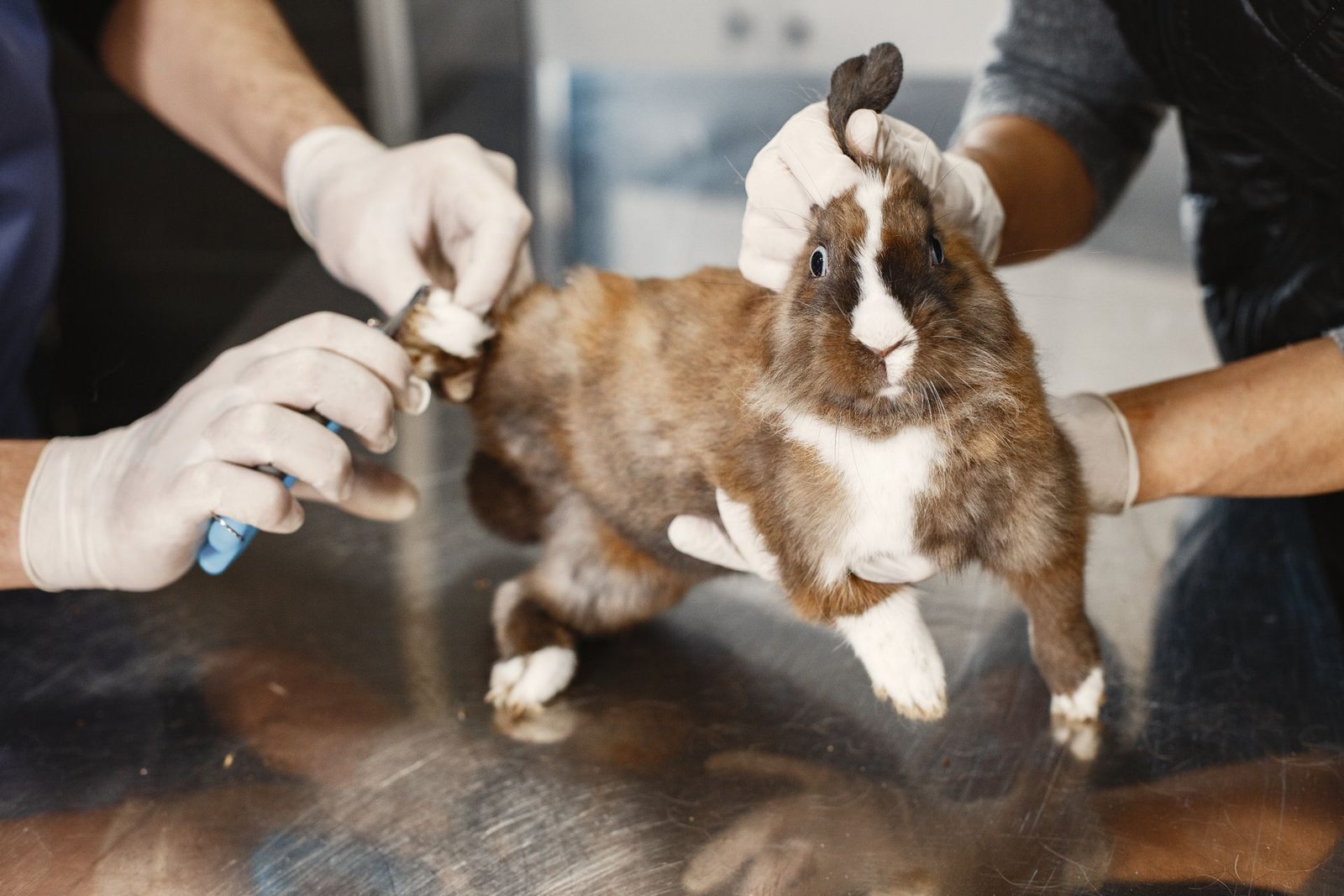
Rabbit Savvy Veterinarian: How to Find the Right One
“Rabbit-savvy” is experience, not a certificate. Ask these 10 phone questions before you book — and always check the individual vet, not just the clinic.
Finding a vet for a rabbit is not like finding one for a dog. Do not assume a regular dog-and-cat vet can properly treat a rabbit. Rabbits need different medicines, anaesthesia care and dental care, so check the individual vet’s rabbit experience before booking. You need a rabbit-savvy vet. The hard part: “rabbit-savvy” is not a degree you can look up. It is experience you have to check yourself, and one phone call is enough to do it.
Quick Answer: A rabbit-savvy veterinarian is a vet with real, hands-on rabbit experience — not a certificate. Before you book, phone the clinic and ask the 10 questions below, including which antibiotics are dangerous for rabbits and whether rabbits fast before surgery. Check the individual vet on duty, not just the clinic name. If the answers are wrong, keep looking.
What Does “Rabbit Savvy” Actually Mean?
Short answer first: it is an experience label, not a formal credential. A vet earns it by seeing many rabbits, treating rabbit conditions, and staying current on rabbit medicine. No directory listing proves it on its own.
- The main formal board credential in the United States is ABVP Exotic Companion Mammal (Diplomate). A vet can be genuinely rabbit-savvy without it, and credential routes differ outside the United States.
- An AEMV directory listing is not proof of rabbit experience and is not board certification. Use it as a starting list, then screen the individual vet with the 10 phone questions before booking.
- “Exotic” is not enough either: exotic covers many species. A vet can treat parrots and reptiles yet rarely see rabbits. Ask about rabbits specifically.
- Why a dog-and-cat vet is not enough: rabbits need different medicines, different anaesthesia care, and dental care dogs and cats do not. Even one dose of amoxicillin can be deadly to a rabbit.
10 Questions to Ask on the Phone
Short answer first: these questions separate a real rabbit vet from a guesser in one call. Right answers are given where guides state them; where guides give no fixed answer, judge by how clearly and confidently the vet explains.

- Do you specialise in rabbits, and how many rabbits do you see? Good: a clear yes with regular rabbit patients. Walk away: vague answers or “we see all pets equally.”
- How many rabbits do you spay or neuter? Good: regular, routine experience across breeds and ages. Note: no guide sets a pass number — do not accept an invented figure as proof, and do not demand one.
- Which antibiotics are dangerous for rabbits? Right answer: amoxicillin, penicillin, most “…cillin” drugs, and lincosamide/clindamycin drugs. Even one dose of amoxicillin can be deadly. Wrong answer: hesitation or “the usual ones.”
- Should my rabbit fast before surgery? Right answer: never. Rabbits should never be fasted. Any other answer is a walk-away.
- How do you prevent and treat gut stasis? Right answer: unlimited hay every day, daily exercise, regular brushing — and fast action when a rabbit stops eating or pooping.
- What rabbit medicine conferences or journals do you follow? Good: named, recent rabbit-medicine learning. A vet who is current will answer easily.
- How do you keep rabbits safe under anaesthesia? No guide gives a script answer here — judge by clarity. A rabbit-savvy vet explains their rabbit anaesthesia plan in plain words instead of brushing the question off.
- Do you treat rabbit dental problems? Good: yes, with regular dental checks. Rabbit teeth grow non-stop, so dental care is core rabbit care, not an extra.
- Who do you refer serious rabbit cases to? Good: a named rabbit-savvy colleague. This also works in reverse (see the 4 steps below).
- What do I do in an emergency, out of hours? Good: a clear plan — an emergency number, an out-of-hours clinic, or a backup vet. “Call us in the morning” is not a plan.
If you do not get the right answers, keep searching. That is the guides’ own advice, not rudeness.
Find One: 4 Steps
This section gives a method, not its own searchable list. Use the rabbit.org, House Rabbit Society affiliate and AEMV directories linked in this article, then phone clinics and confirm prices. Allow more than one call round — the steps below are a method, not a 15-minute guarantee.
- Search the directories: House Rabbit Society’s affiliate vet lists and the AEMV “find an exotic vet” directory. Start here, but remember: listing is not proof. (By state/region — not every state is listed; if yours is missing, use the AEMV directory next.)
- PetCavo suggestion: ask a local rabbit rescue first. Rescues work regularly with vets who spay/neuter and treat pet rabbits, so their recommendations are often the most practical starting point.
- Phone 5 vets who do not advertise as avian or exotic and ask who they refer serious rabbit cases to. Then phone at least 3 vets in towns within 50 miles and ask the same question. Repeat until one name keeps winning.
- Widen the net: be ready to travel an hour or more. Do not pick a vet just because the clinic is close — one volunteer’s story has them passing 15 clinics to reach a vet 35 miles away.
Check the Vet, Not Just the Clinic
Short answer first: recommendations are usually for one specific vet, not the whole clinic. Always confirm that the exact veterinarian on duty has hands-on rabbit experience, because not every doctor at a clinic does. When you book, ask for that vet by name. If they are away, ask who covers rabbit cases that day — and run the antibiotics/fasting questions past them too.
Also: do not assume a vet who works with breeders or 4-H clubs knows house rabbits. Show and stock animals are often treated with the bottom line in mind, which is very different from pet rabbit care, especially for older rabbits.
What Does a Rabbit Vet Visit Cost?
Published figures conflict and none is a quote: basic visits are quoted anywhere from $35 to $200, with base checkups quoted at $60 to $100 in one set of answers and $60 to $150 in another. Prices vary by area, clinic and what the visit includes, so always confirm the exam fee, dental-check fee and spay/neuter price by phone before booking, and ask about low-cost options if money is tight.
| Fee to confirm | Question to ask by phone |
| Exam fee | What is the exam fee? |
| Dental check | What is the dental-check fee? |
| Spay/neuter | What is the spay/neuter price? |
| Emergency/out-of-hours fee | What is the emergency/out-of-hours fee? |
| Low-cost options | Are low-cost options available? |
Ask about pet insurance and out-of-hours fees: does the clinic accept your insurer, and what is the emergency/out-of-hours fee?
Your First Visit: What to Expect
Short answer first: a first visit is mostly checking and talking. Bring a note of what your rabbit eats daily, any changes in eating, drinking, or poop, and questions from the 10 above. Expect a general health check, including weight and teeth, and a discussion of diet and spay/neuter. Ask about spay/neuter timing for your rabbit’s age and sex — this article does not give a timing rule. If anything in this article’s red-flag list shows up at the visit, that is your signal to look elsewhere.
What to bring:
- Note of what your rabbit eats daily
- Note of changes in eating, drinking, or poop
- Questions from the 10 above
- Poop sample/notes
- Medicine list
Getting there:
- Secure carrier
- Hay and water for the journey
- Keep the rabbit cool and calm
- Bring the food/poop note and any medicine list

8 Red Flags — Walk Away If You See These
- Says rabbits should fast before surgery.
- Prescribes oral amoxicillin, oral penicillin or other oral ‘…cillin’ drugs, or lincosamide/clindamycin drugs, for a rabbit. If you are unsure about the route, ask the vet to explain it and seek a second rabbit-savvy opinion.
- Says any vet can treat a rabbit.
- Cannot name a single rabbit condition they have treated.
- Brushes off anaesthesia or dental questions.
- Has no emergency or out-of-hours plan.
- Only breeder or show-rabbit experience, presented as house-rabbit expertise.
- The clinic claims rabbit expertise but will not name the vet who holds it.
Routine Vet vs Emergency Vet — Know the Difference
- Routine: checkups every 6–12 months (ask your rabbit vet what interval suits your rabbit’s age and health), dental checks, spay/neuter, vaccine advice for your country and region — ask which rabbit vaccines your vet recommends where you live, as vaccines differ between the United States and the United Kingdom, diet questions, and rabbit health and lifespan. Book ahead, use your chosen rabbit-savvy vet.
- Emergency: not eating, no droppings, sitting hunched, grinding teeth, or sudden weakness. Do not wait: a rabbit that has stopped eating or pooping needs same-day veterinary advice, as gut stasis can turn deadly fast. Know your emergency clinic and backup vet BEFORE you need them, not during a crisis.
No Rabbit Vet Near You? Try This Ladder
- Widen the phone search to 50 miles and beyond — an hour’s drive beats a nearby guesser.
- Ask rescues and rabbit groups in your region; they know who is worth travelling to.
- Ask non-exotic vets who they refer serious rabbit cases to (the referral trick above).
- Check for mobile exotic vets who visit your area.
- PetCavo suggestion: as a last resort, a phone or video consult may help you judge urgency, but it cannot replace a hands-on examination.
Key Takeaways
- Rabbit-savvy = experience, not a certificate. ABVP Exotic Companion Mammal is the main US board credential.
- 10 phone questions — oral dangerous antibiotics and never fasting are the key checks.
- Check the individual vet on duty, not just the clinic name.
- Costs vary and published figures conflict — confirm fees by phone.
- No vet nearby? Travel further, ask rescues, use the referral trick.
- Know your emergency plan before you need it.
Frequently Asked Questions
Can I take my rabbit to a regular vet?
No. Do not assume a regular dog-and-cat vet can properly treat a rabbit. Rabbits need different medicines, anaesthesia care and dental care, so check the individual vet’s rabbit experience before booking. Rabbits are exotic pets with different medicines, anaesthesia needs, and dental care, and standard vet drugs can be fatal to them. Find a vet with real rabbit experience instead.
What does rabbit-savvy actually mean?
It means hands-on rabbit experience, not a certificate. See the What Does Rabbit Savvy Actually Mean section above.
Does an AEMV listing mean a vet is rabbit-savvy?
An AEMV directory listing is not proof of rabbit experience and is not board certification. Use it as a starting list, then screen the individual vet with the 10 phone questions before booking.
How much does a rabbit vet visit cost?
Published figures conflict and none is a quote: basic visits are quoted anywhere from $35 to $200, with base checkups quoted at $60 to $100 in one set of answers and $60 to $150 in another. Prices vary by area, clinic and what the visit includes, so always confirm the exam fee, dental-check fee and spay/neuter price by phone before booking, and ask about low-cost options if money is tight.
How far should I travel for a rabbit vet?
As far as it takes — do not choose on distance alone. See the Find One: 4 Steps section above.
Should my rabbit fast before surgery?
Rabbits should never be fasted before surgery. See the 10 Questions to Ask on the Phone section above.
Photo Credits
- Featured image: Photo by Gustavo Fring via Pexels (free licence).
- Healthy rabbit: Photo by Gundula Vogel via Pexels (free licence).
- Checklist graphic: Original PetCavo graphic.




8 Comments