
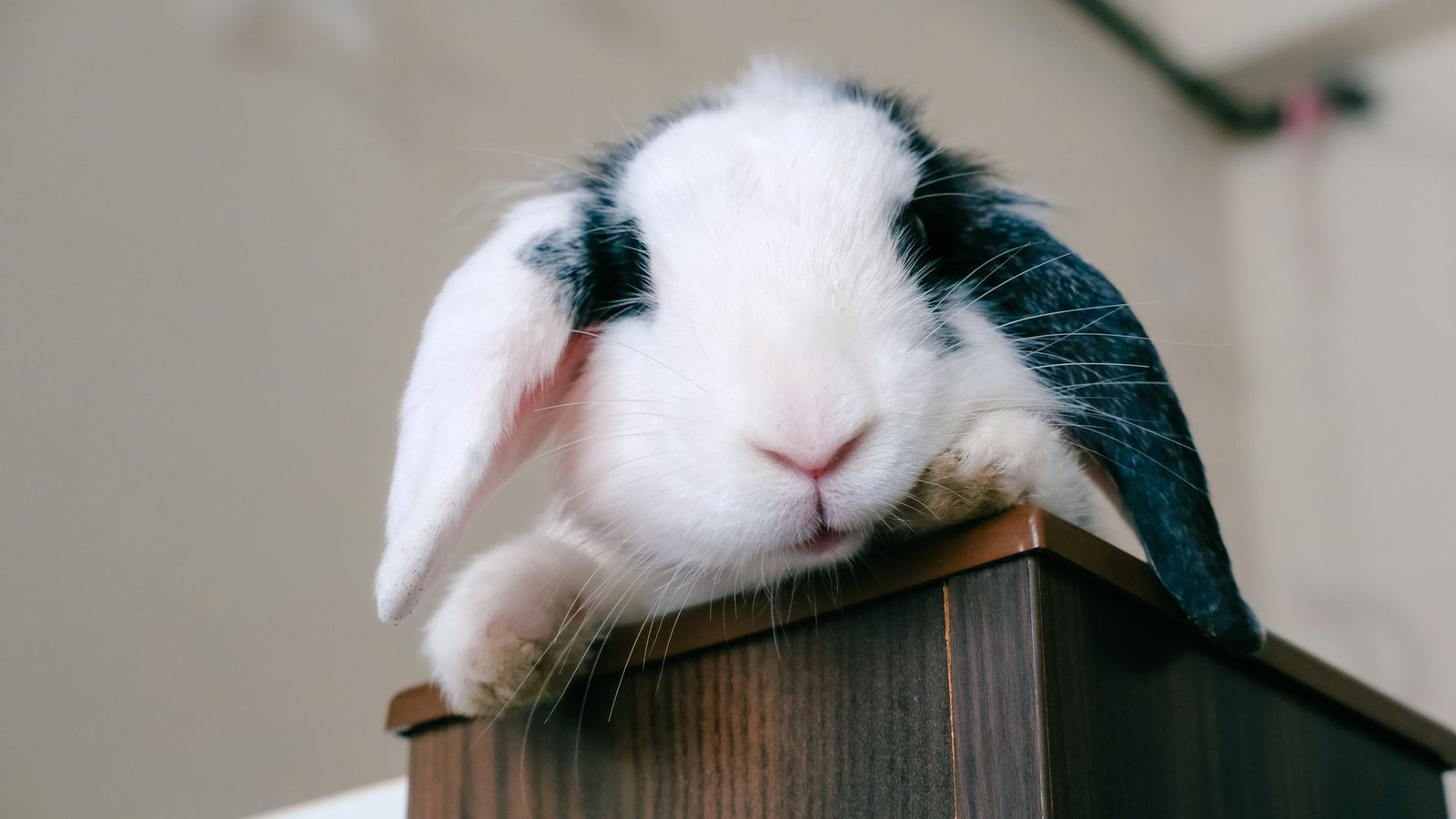
How Long Do Bunnies Live? 8–12 Years & 10 Ways to Extend It
How long do bunnies live? Indoor pet rabbits often reach 8–12 years. Learn what affects rabbit lifespan and simple steps to help your bunny live longer.
How long do bunnies live? If your rabbit lives indoors, is spayed or neutered, and gets proper care, you can expect 8–12 years together — and some rabbits reach 14 or even 15. That is a longer commitment than most new owners expect, closer to a dog than a hamster.
How Long Do Bunnies Live? The Short Answer
For a well-cared-for indoor rabbit, most authorities agree on 8–12 years. The Rabbit.org, the RSPCA, and PetMD’s veterinary authors all give that range for spayed or neutered indoor rabbits. Across all pet rabbits, PetMD’s average is lower (7–10 years) — the 8–12 figure is for indoor, neutered rabbits with good care, not every rabbit. With exceptional care, some rabbits go well beyond the average — the oldest rabbit on record, Flopsy, a wild rabbit raised as a pet in Australia, lived to 18 years and 10 months (PetMD; Rabbit.org).
Indoor vs Outdoor vs Wild Rabbits: Why Housing Decides Lifespan
Where your rabbit lives makes the biggest difference to how many years you’ll share. If you’re wondering how long bunnies live because you’re thinking of adopting, start here — the differences are stark:
| Lifestyle | Typical lifespan | Main risks |
|---|---|---|
| Indoor pet rabbit (spayed/neutered) | 8–12 years | Old age, dental disease, gut stasis |
| Outdoor hutch rabbit | 3–5 years | Weather extremes, predators, flystrike, stress |
| Wild rabbit | 1–2 years typical (wild); up to 9 in PetMD’s wider range | Predators, cars, disease, habitat loss |
The indoor and hutch figures come from the House Rabbit Society. PetMD’s veterinary authors give wild rabbits a wider 1–9 year range, noting that predators, habitat loss, and road traffic are the deciding factors — which only underlines how dangerous the outdoors is for rabbits. Foraging is a wild rabbit’s full-time job — see what wild rabbits eat through the seasons.
Which Rabbit Breeds Live the Longest?
Breed plays a part, but housing and daily care matter far more. Across at least 60 recognised breeds, PetMD’s veterinary authors put the average at 7–10 years, rising to 8–12 for spayed or neutered rabbits. As a rule, smaller breeds tend to outlive giant ones. Here’s how five of the most popular breeds compare, using figures from PetMD’s veterinary-written breed profiles:
| Breed | Typical lifespan |
|---|---|
| Netherland Dwarf | 10–12 years |
| Mini Lop | 8–10 years |
| Flemish Giant | 8–10 years |
| Holland Lop | 7–10 years |
| Lionhead | 7–9 years |
Flemish Giant: PetMD breed profile 8–10 years; PetMD’s main lifespan article gives 5–8 years — giant breeds vary most, so treat 8–10 as an upper, well-cared-for range, not a promise.
Think of these as typical ranges, not promises. PetMD notes that genes, health issues, and care quality move individual rabbits well outside the averages — its Flemish Giant profile gives 8–10 years, a reminder that even giant breeds can reach double digits with good care, while the popular Dutch rabbit averages 5–10 years.
Why the Numbers Disagree: Making Sense of Conflicting Claims
Search “how long do bunnies live” and you will see everything from 3 to 15 years. The numbers conflict because they measure different rabbits:
- 8–12 years — the consensus for indoor, spayed/neutered rabbits (House Rabbit Society, RSPCA, PetMD). This is the number to plan around.
- 4.3 years — median age at death among the 370 rabbits that died, in a VetCompass cohort of 6,349 rabbits (O’Neill et al., Veterinary Record). This reflects real-world conditions, including outdoor housing and preventable disease — not what a well-kept indoor rabbit can achieve.
- 3–5 years — the average for rabbits kept in outdoor hutches (House Rabbit Society).
The takeaway: 8–12 years is a realistic expectation for an indoor rabbit. The lower averages aren’t a reason to lose heart — they show what poor care costs rabbits.
10 Ways to Help Your Bunny Live Longer
Genetics deals the hand, but daily care plays it. These ten steps are the most evidence-backed way to give your bunny the longest, healthiest life possible:
- 1. Keep your rabbit indoors. House rabbits live 8–12 years; hutch rabbits average 3–5. Indoors, they’re safe from predators, weather extremes, and diseases such as rabbit haemorrhagic disease virus. (House Rabbit Society) If your rabbit lives outside, winter is the toughest season — learn how rabbits survive winter before the cold arrives. Give an enclosure at least 4× your rabbit’s size, kept at 60–75°F.
- 2. Spay or neuter. Unspayed females face a high risk of uterine cancer and shorter lives, while spayed or neutered rabbits live 8–12 years. Most rabbits can be spayed or neutered from a few months of age — your vet will advise on the right timing. (PetMD)
- 3. Make grass hay 85% of the diet. The Rabbit Welfare Association and Fund recommends that hay or grass makes up around 85% of a rabbit’s diet — timothy, orchard, oat, or meadow — which keeps teeth worn down and the gut moving. Alfalfa is only for young or lactating rabbits. Remember, carrots are a treat, not a staple.
- 4. Measure pellets and serve fresh greens daily. Aim for 85% hay/grass, 10% vegetables, 5% pellets — treats only occasionally, inside that 5%, not on top of it. PetMD measures pellets at ¼ cup per 5 lb of body weight per day. Sugary favourites like carrots need strict portioning, and ripe tomato flesh as an occasional treat is fine in small amounts.
- 5. Provide fresh water every day. Clean bowls or bottles daily — rabbits can become dangerously dehydrated fast. (PetMD)
- 6. Let them run, jump, and explore every day. PetMD recommends a minimum of four hours outside the enclosure daily. Add tunnels, cardboard boxes, and safe chew toys for enrichment.
- 7. Book vet checkups every 6–12 months, including dental checks. Rabbits are prey animals, so they hide illness well — and dental disease is among the most common disorders vets record. (PetMD; O’Neill et al.)
- 8. Keep vaccinations current. The RSPCA recommends vaccinating against myxomatosis and rabbit (viral) haemorrhagic disease, with combined vaccines giving annual protection.
- 9. Get your rabbit a friend and rabbit-proof your home. Rabbits are social and do best with a bonded companion (PDSA) — and protect electrical cords, toxic plants, and baseboards from curious teeth. (PetMD) Spot-clean daily and deep-clean weekly, and use mats or rugs to prevent sore hocks.
- 10. Learn the early warning signs. Weight loss, drooling, diarrhoea, lethargy, or going off food all mean a prompt call to the vet (PetMD) — gut stasis (ileus) is one of the most common killers identified in the UK veterinary study. Check the rear and coat for flystrike in warm weather.
Start this week
- Keep your rabbit indoors
- Book neutering
- Make hay the bulk of the diet
- Give at least 4 hours of exercise daily
- Book a vet check and keep vaccines current
- Add a companion and rabbit-proof your home
Already outdoors? Move indoors gradually, keep the same routine/food, watch appetite and droppings for 48 hours, and ask a rabbit-savvy vet about flystrike/vaccination checks.
Not eating, drooling, lethargy, diarrhoea, collapse or flystrike = call a vet the same day; do not wait to see if it passes.
Rabbit Life Stages: From Kit to Senior
Rabbits sprint through childhood and then settle into a long adulthood. These life stages come from the House Rabbit Society:
- Baby (under 1 month): entirely dependent on mum — see what baby bunnies eat in their first weeks.
- Toddler (1–3 months): needs toys and supervised exercise.
- Adolescent (4–6 months): hormones arrive — rabbits can reproduce and are ready for spay/neuter.
- Young adult (6 months–1 year): personality firms up; likes and dislikes emerge.
- Adult (1–5 years): the prime of life; vet checks every 6–12 months and plenty of exercise.
- Senior (5+ years): needs weight management, soft flooring for stiff joints, and more frequent vet checks. 8+ is late senior — the golden years.
- Book vet checks at least every 6–12 months, with dental examinations — overgrown molars and incisors are among the most common problems vets see in rabbits.
- Provide soft flooring — rugs, mats, or deep bedding to cushion stiff, arthritic joints.
- Keep an eye on weight either way — seniors can grow thin or obese, and both need attention.
- Keep food, water, and litter within easy reach, and stick to predictable daily routines.
- Watch appetite and droppings daily — the earliest signs of gut trouble show up here first.
Rabbit age in human years: No single official conversion; guides vary — do not use one fixed multiplier.
The Real Cost of a Decade-Long Commitment
A rabbit that lives 10–12 years is a financial commitment to match. The PDSA’s 2024 costings put the minimum lifetime cost for a pair of rabbits at £7,700–£10,600 for indoor rabbits and £8,000–£11,000 for outdoor rabbits, with a minimum of £80 a month in ongoing costs and £980 for initial setup for indoor rabbits, and £84 a month and £922 for initial setup for outdoor rabbits — and that excludes the rabbits themselves, vet bills for illness, boarding, and special diets. Those figures assume a 7–10 year life expectancy; a rabbit that reaches 12 costs proportionally more.
Budget for the full decade before you adopt — the rabbits that live longest are usually the ones whose owners planned for it — budget for 10–12 years, not 7–10, if your rabbit reaches the top of the range.
So, how long do bunnies live? A decade, if you set them up for it. An indoor, spayed-or-neutered rabbit eating mostly hay, seeing the vet regularly (see our guide to finding a rabbit-savvy vet), and sharing life with a bunny companion has every chance of reaching 10–12 years — and occasionally far beyond. The rabbits who don’t are usually victims of preventable problems: outdoor hutches, poor diet, and missed warning signs. A rabbit is a 10-year promise. Plan for it, and you’ll gain one of the most affectionate small pets there is.
Key Takeaways
- Indoor, neutered rabbits live 8–12 years; outdoor rabbits average 3–5.
- Hay first: 85% hay or grass, plus daily exercise and 6–12-month vet checks.
- Senior from around 5; watch weight, teeth and droppings daily.
Frequently Asked Questions
How long do indoor rabbits usually live?
Eight to 12 years. The House Rabbit Society, the RSPCA, and PetMD’s veterinary authors all agree on 8–12 years for spayed or neutered rabbits living indoors with good care.
What is the main cause of death in rabbits?
In a VetCompass cohort of 6,349 rabbits in England, published in the Veterinary Record, the most commonly recorded cause of death was flystrike (myiasis, 10.9% of deaths with a recorded cause), followed by anorexia, collapse, and gut stasis (ileus). Many of these are preventable with good husbandry, vaccination, and parasite control.
Can bunnies live 15 years?
Yes — 15 is achievable, though exceptional. Most well-kept indoor rabbits land in the 8–12 bracket, but the oldest rabbit on record reached 18 years and 10 months, so 15 is possible with exceptional care.
Do girl or boy rabbits live longer?
In the UK VetCompass study, males died at a median age of 5.2 years versus 3.7 for females — but unspayed females face a high risk of uterine cancer, which drags the female average down. Neutering removes the uterine-cancer risk that drags the female median down; PetMD gives 8–12 years for spayed/neutered rabbits overall — it does not prove identical lifespans by sex, so neutering status matters far more than sex.
At what age is a rabbit considered a senior?
Around 5 years old, according to veterinarians and the House Rabbit Society; PetMD puts the senior window at 5–8 years depending on breed, with 8+ being firmly senior. Senior rabbits benefit from softer flooring, weight monitoring, and more frequent vet checks.
Do smaller rabbits live longer than large breeds?
Generally, yes. PetMD’s breed profiles give the tiny Netherland Dwarf 10–12 years, while larger breeds average less — though even the giant Flemish Giant can reach 8–10 with good care. Across all breeds, the average is 7–10 years, rising to 8–12 for spayed or neutered rabbits.
How long do hares live?
Brown hares in the wild typically live 3–4 years (some sources 2–3); exceptional wild individuals to about 12–12.5 years. Like rabbits, hares are lagomorphs rather than rodents.
Do rabbits grieve when a companion dies?
Yes — rabbits form deep bonds and can show clear signs of grief when a companion dies, including going off their food, sitting hunched and quiet, or searching the enclosure. The
RSPCA advises giving them time, keeping their routine steady, and considering a new bonded friend once they’ve had a chance to adjust.
What is the 3-3-3 rule for bunnies?
It is a settling-in guide borrowed from dog adoption, not rabbit research: give them 3 days to decompress and get used to the new smells and sounds, 3 weeks to learn your home’s routines, and 3 months to feel fully safe and bonded. Treat it as a rough guide only — patience pays off.
How long can a bunny go without eating?
Not long. A rabbit that has not eaten needs a vet urgently — check with your vet or see PDSA guidance, because the gut can go into stasis, which can be fatal. Healthy rabbits graze almost constantly, so do not wait to see if it passes.
What are the end-of-life signs for rabbits?
Common signs include going off food or water, extreme tiredness and wanting to be alone, struggling to move or breathing with effort, and losing interest in things they used to enjoy. You know your rabbit best — if several of these appear together, talk to your vet about what comes next.
- Going off food or water
- Withdrawn, tired, and wanting to be alone
- Struggling to move or breathing with effort
Talk to your vet about quality of life; staying with them, if you can, is a kindness.
Photo Credits
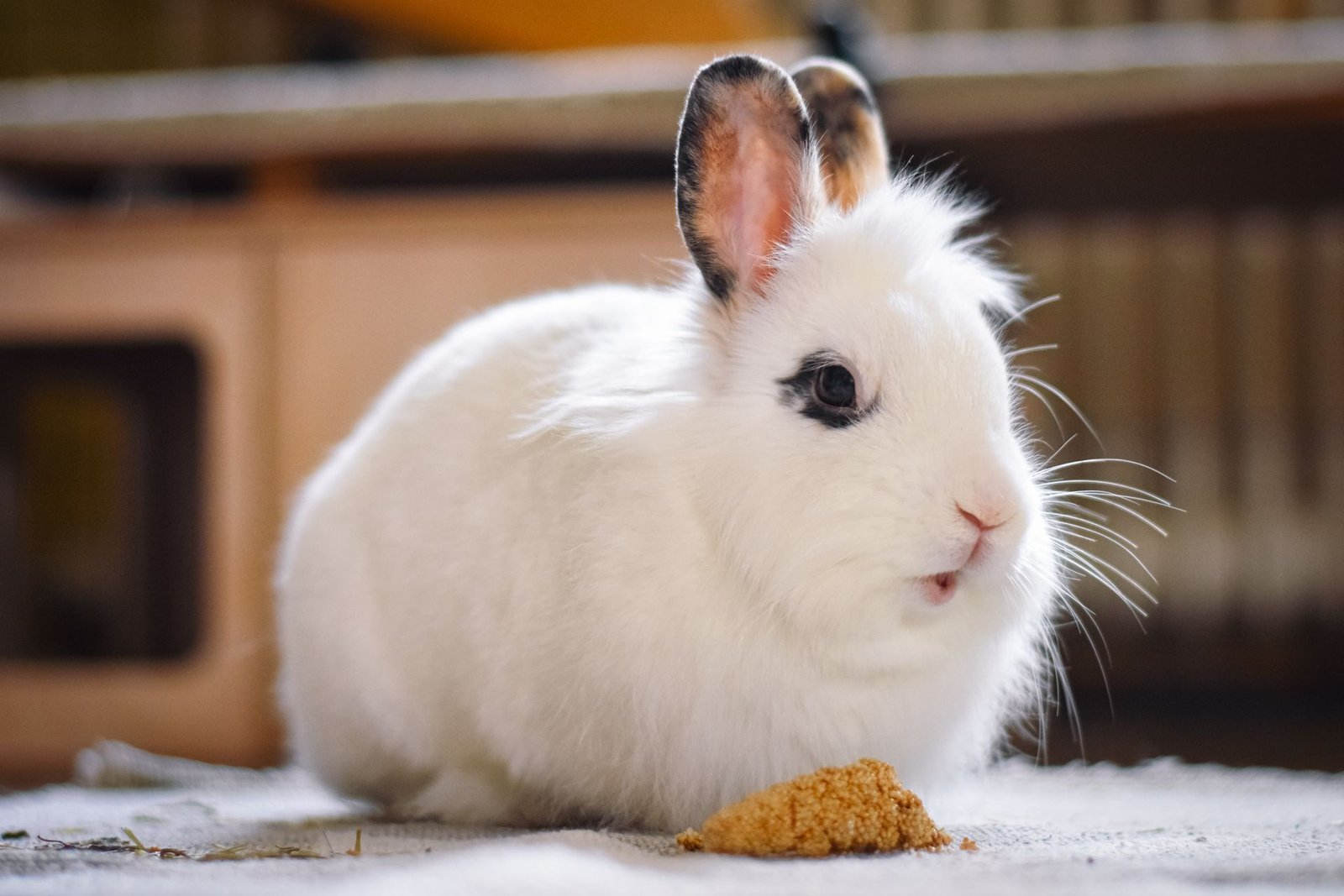
Featured image: close-up of a lop-eared rabbit by Ceren Büşra Sevtekin (Pexels, free to use). In-content image: white rabbit with food by Alexas Fotos (Pexels, free to use).





7 Comments