Puppy Freezes During Walks and Won’t Move: Why It Happens and What to Do
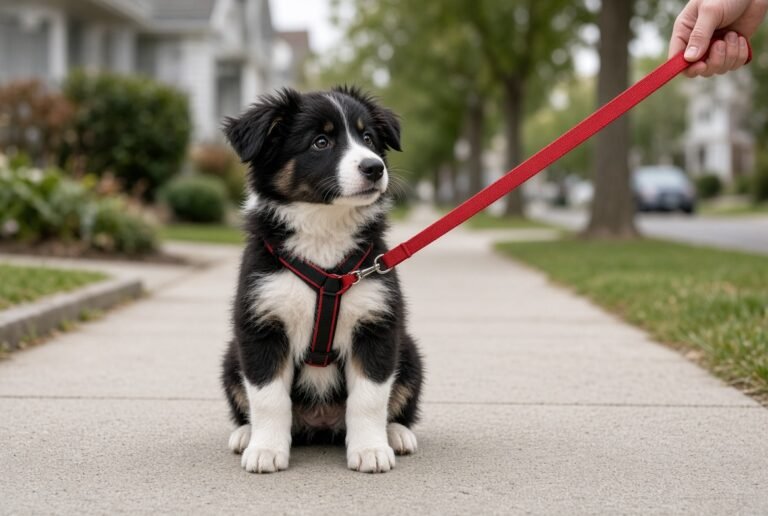
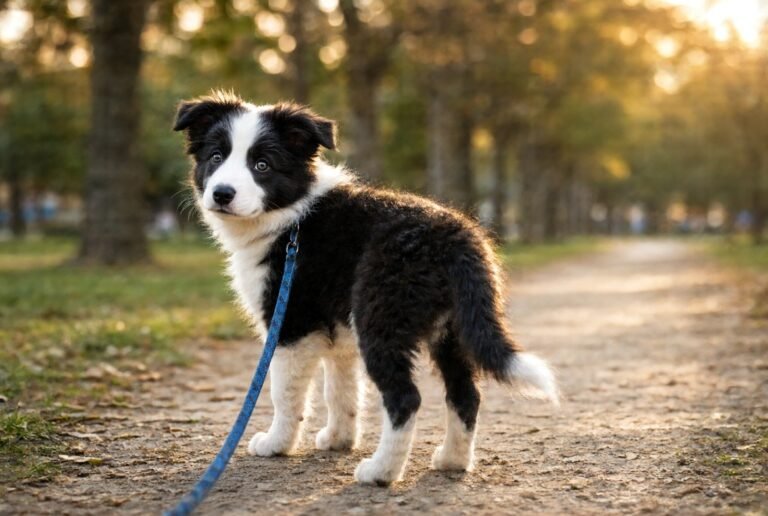
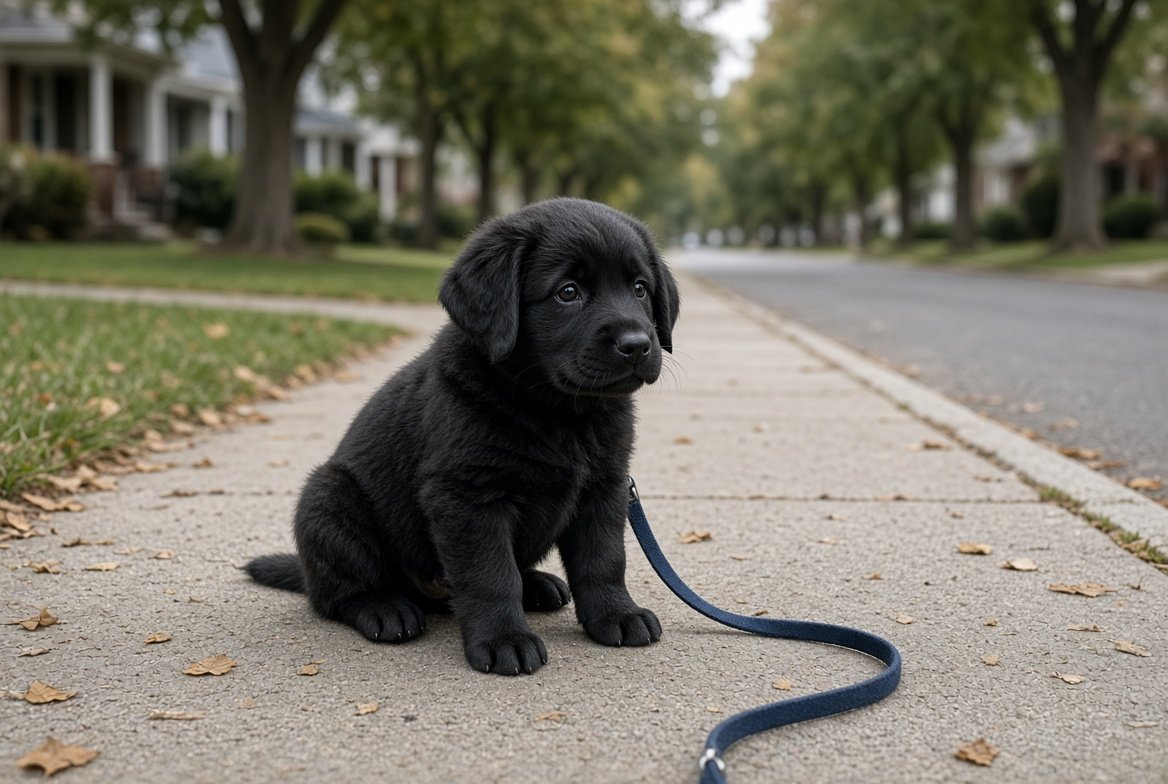
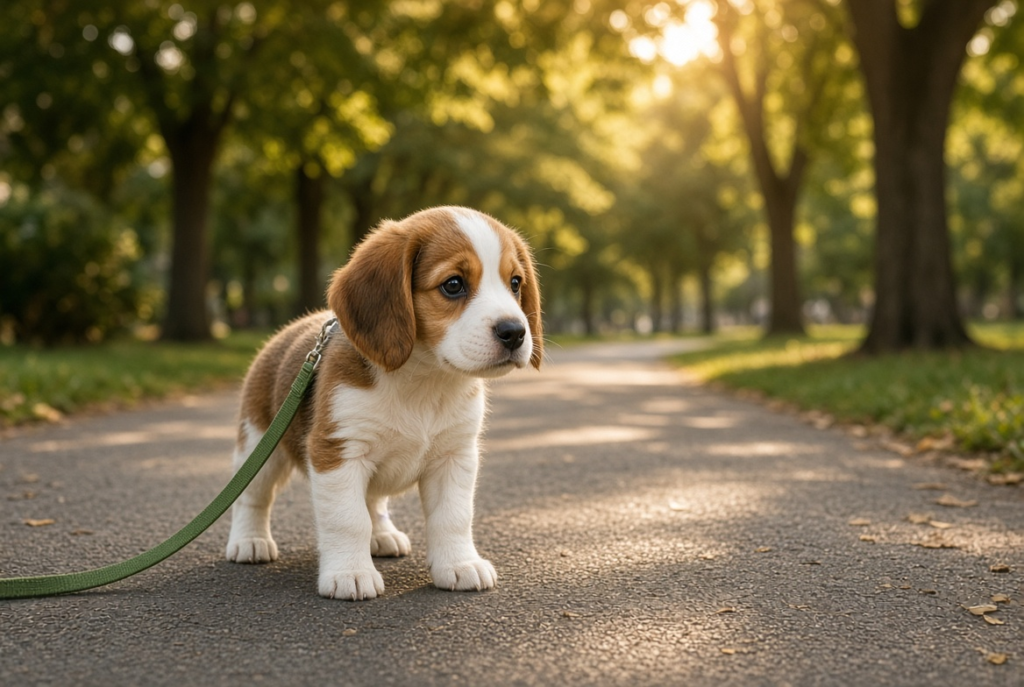
You’re halfway down the sidewalk when your puppy suddenly stops, plants all four paws, and refuses to take another step. You wait. You call their name. Maybe you offer a treat. Nothing.
If your puppy freezes during walks and won’t move, it can be tempting to think they’re being stubborn. But freezing is often a sign that something about the situation feels confusing, uncomfortable, frightening, or simply too difficult to handle at that moment.
The useful question isn’t just, “How do I get my puppy moving?”
It’s, “What happened right before my puppy stopped?”
That small detail can tell you whether you’re dealing with a scary sound, an unfamiliar surface, leash discomfort, too much stimulation, tiredness, or a possible physical problem.
Table of Contents
- Why does my puppy freeze on walks?
- How to tell what is causing the freeze
- What does a frightened puppy look like?
- Why does my puppy suddenly stop walking and won’t move?
- Why does my puppy walk indoors but freeze outside?
- What to do when your puppy freezes during a walk
- What if your puppy freezes in the middle of the road?
- How to rebuild your puppy’s walking confidence
- How to tell when your puppy is ready for the next step
- Check your puppy’s leash and harness
- Common mistakes that can make freezing worse
- When should you call the veterinarian?
- Expert tips for easier puppy walks
- Myth vs. Fact
- Frequently Asked Questions
- Conclusion
Why Does My Puppy Freeze on Walks?
A puppy may freeze on a walk because the environment has suddenly become more difficult than they can comfortably handle.
Young puppies are still learning what all the sights, sounds, smells, surfaces, people, and animals around them mean. A leash adds another challenge because it limits where they can move when something catches their attention or makes them uncomfortable.
Some puppies also become temporarily more cautious during developmental fear periods. A puppy that confidently walked past something yesterday may suddenly stop and stare at it today.
Common reasons include:
- Fear of a particular sound, person, dog, vehicle, or object
- Too many sights and sounds happening at once
- An unfamiliar pavement or walking surface
- Discomfort from a collar, harness, or leash
- Little experience walking outside
- A previous unpleasant experience in that location
- Being tired or overstimulated
- A normal developmental fear response
- Pain, illness, or another physical problem
The trigger isn’t always obvious to you. Your puppy may notice a sound, smell, movement, or object that you barely register.
The 3-question freeze test
When your puppy suddenly stops, ask yourself three questions:
1. What happened immediately before the freeze?
Did a truck pass? Did another dog appear? Did you step onto a different surface? Did someone approach?
2. What does my puppy’s body look like?
Is your puppy relaxed and curious, or stiff, low, tucked, trembling, or trying to retreat?
3. What happens when I create more distance?
If your puppy relaxes after moving farther away from something, that is a useful clue that the environment or a particular trigger may be contributing.
This isn’t a diagnostic test. It’s simply a practical way to stop guessing and start observing.
How to Tell What Is Causing the Freeze
The pattern matters more than the stop itself.
| When your puppy freezes | What it may suggest |
|---|---|
| Immediately after the leash is attached | Leash or equipment discomfort, or an association with going outside |
| At the front door | Outdoor environment may feel overwhelming |
| In one particular location | A specific place, sound, smell, or previous experience may be involved |
| When another dog approaches | Fear, uncertainty, or social discomfort |
| When vehicles pass | Noise, movement, or proximity may be overwhelming |
| On one type of surface | The texture, temperature, stability, or sensation may be uncomfortable |
| After several minutes of walking | Tiredness, overstimulation, or physical discomfort may need consideration |
| Suddenly everywhere, including familiar places | A physical problem should be considered |
One frozen moment doesn’t tell you exactly why your puppy stopped. Look for patterns across several outings.
A practical example
Suppose your puppy walks normally on a quiet street but freezes whenever you approach a busy intersection.
Instead of concluding that your puppy “doesn’t like walking,” notice the difference. The intersection may simply contain too much traffic, noise, movement, and visual stimulation.
You can then make the training easier by starting farther away from the intersection rather than repeatedly walking your puppy directly toward it.
What Does a Frightened Puppy Look Like?
Freezing is easier to understand when you look at the rest of the puppy’s body.
Possible signs of stress or fear include:
- A stiff or lowered body
- Tail held low or tucked
- Ears pulled back
- Trying to move away
- Hiding behind you
- Trembling
- Whining
- Cowering
- Turning away from a person or object
- Refusing food
- Repeatedly trying to head home
No single behavior proves that your puppy is frightened. For example, sniffing, yawning, or looking away can have several explanations. Consider the whole picture and the situation around the behavior.
A puppy that freezes, lowers their body, avoids the trigger, and tries to retreat is giving you much stronger information than a puppy that simply pauses to sniff.
Why Does My Puppy Suddenly Stop Walking and Won’t Move?
1. Something scared your puppy
A motorcycle, barking dog, garbage truck, construction noise, umbrella, bicycle, or unfamiliar person can suddenly become a problem.
To you, it may be an ordinary part of the neighborhood. To your puppy, it may be something completely new.
If the freeze happens immediately after a specific event, increase distance from that trigger instead of forcing your puppy toward it.
2. The outside world is overwhelming
Your puppy may be dealing with several new things at once:
- Traffic
- People
- Dogs
- Birds
- Strong smells
- Wind
- Footsteps
- Engines
- Sirens
- Different surfaces
- Unexpected movement
A quiet room gives a puppy very little to process. A sidewalk can provide dozens of competing experiences within a few seconds.
Sometimes stopping is simply the point at which your puppy needs the situation to become easier.
3. The leash itself feels strange
If your puppy freezes as soon as the leash goes on, don’t automatically assume the problem is the walk.
The puppy may dislike the sensation of restraint or may not yet understand how to move naturally while attached to a leash.
This is why leash training is often easier when it starts indoors, where the environment is familiar.
4. Your puppy is uncomfortable in the harness or collar
A poorly fitted harness can rub or restrict movement. A collar may also feel uncomfortable to a puppy that isn’t accustomed to wearing one.
Pay attention to whether freezing happens:
- Immediately after putting the equipment on
- Only with one particular harness or collar
- When the leash becomes tight
- When your puppy turns or changes direction
If the behavior disappears when the equipment is removed, inspect the fit and discuss persistent discomfort with your veterinarian.
5. Your puppy had a bad experience
Dogs can develop fear around a place after an unpleasant experience there.
For example, imagine a puppy hears an extremely loud noise near a particular corner. On the next walk, the puppy stops before reaching that corner.
The puppy may now associate that location with the unpleasant experience, even though the original noise isn’t happening anymore.
6. Your puppy is going through a cautious phase
Puppies can go through developmental periods when unfamiliar things suddenly seem more concerning.
If a previously confident puppy becomes cautious about something new, avoid turning it into a confrontation.
Give the puppy room, lower the difficulty, and allow them to investigate at a comfortable pace.
7. Your puppy may be tired or physically uncomfortable
Not every walking problem is emotional.
A puppy that has been happily walking but suddenly begins lagging, stopping, limping, moving stiffly, or showing other changes deserves closer attention.
Physical discomfort becomes particularly important when the behavior occurs in places where your puppy normally feels comfortable.
Why Does My Puppy Walk Fine Indoors but Freeze Outside?
This is one of the most confusing situations for new puppy owners.
You may think:
“My puppy runs around the house all day. Why can’t they walk ten minutes outside?”
Because indoor movement and outdoor walking are two completely different challenges.
Inside your home, your puppy already knows:
- The smells
- The surfaces
- The sounds
- The layout
- The people
- The boundaries
Outside, almost everything can change.
Your puppy has to process traffic, unfamiliar dogs, strangers, weather, new smells, moving objects, strange surfaces, and leash pressure.
So a puppy that races around the living room may still be completely inexperienced at walking through a neighborhood.
Indoor confidence does not automatically transfer to outdoor confidence.
That’s why it often works better to teach outdoor walking in small pieces instead of expecting a full neighborhood walk immediately.
What Should You Do When Your Puppy Freezes During a Walk?
The first priority is to make the situation easier, not to complete the planned route.
1. Stop pulling
If your puppy has planted their feet, avoid repeatedly pulling them forward.
A tight leash can add pressure to an already stressful situation. Reward-based training is preferred over physical corrections or punishment for teaching dogs new behaviors.
2. Look for the trigger
Take a quick look around.
Ask:
- What appeared?
- What changed?
- What sound just happened?
- Did we enter a different environment?
- Did another dog get closer?
- Did my puppy step onto something unfamiliar?
You don’t need to solve the mystery perfectly. Even identifying a likely trigger can help you choose your next move.
3. Create distance
If something is frightening your puppy, move away from it.
Cross the street. Turn around. Step behind a parked vehicle if safe. Move into a quieter area.
Distance is not “giving in” to fear. It can make the situation manageable enough for your puppy to think and learn.
4. Give your puppy a moment
Once you’re in a calmer position, pause.
If your puppy is able to eat, offer a small, high-value treat for calm behavior or for voluntarily looking toward you.
If your puppy won’t take food that they normally love, don’t keep pushing the training. The situation may currently be too difficult.
5. Make the next goal much smaller
Your puppy may not be ready for a 20-minute walk.
Today’s successful outing might be:
Front door → driveway → sniff → treat → back inside.
That still counts.
You are teaching your puppy that being outside can be manageable and predictable.
What If Your Puppy Freezes in the Middle of the Road?
This is different from an ordinary training situation because safety comes first.
If your puppy stops somewhere dangerous:
- Don’t stand in traffic trying to train through the freeze.
- Move yourself and your puppy to a safe area as quickly and calmly as possible.
- If necessary, carry your puppy to get out of immediate danger.
- Once you’re safe, allow your puppy time to settle.
- Think about what triggered the freeze before attempting another walk.
Don’t turn an emergency safety decision into a punishment.
If this happens repeatedly in busy areas, choose quieter walking locations while you work on the underlying problem.
How Can I Rebuild My Puppy’s Walking Confidence?
Don’t measure progress only by distance.
Measure it by how comfortably your puppy handles each new challenge.
Step 1: Make the leash boring
Practice indoors.
Put the leash on for a short period while your puppy gets treats, plays, or follows you around.
You’re teaching:
Leash on = normal, safe, good things happen.
Step 2: Reward a few indoor steps
Walk a couple of steps and encourage your puppy to follow.
Reward voluntary movement.
You don’t need a perfect heel. At this stage, you’re building comfort with the equipment and the idea of following while attached to a leash.
Step 3: Move to the easiest outdoor location
A quiet backyard or similarly calm, appropriate area may be easier than a busy sidewalk.
Let your puppy explore.
Reward calm behavior, looking toward you, sniffing, and voluntary movement.
Step 4: Practice just outside the home
Don’t immediately head down the block.
Walk a few steps, pause, let your puppy sniff, and return home if the puppy remains comfortable.
Step 5: Increase only one difficulty at a time
Once your puppy is comfortable, change one thing.
For example:
Driveway → quiet sidewalk → slightly busier sidewalk → normal neighborhood route
Don’t add a busy road, unfamiliar dogs, a long walk, and a new surface all at once.
Step 6: End before your puppy becomes overwhelmed
A short successful session is valuable.
If your puppy is becoming tense, repeatedly freezing, trying to escape, or refusing food, the environment may be too difficult. Make the next session easier.
How Do You Know Your Puppy Is Ready for the Next Step?
This is where many owners accidentally move too quickly.
Look for signs that your puppy can comfortably handle the current level before increasing the challenge.
Good signs include:
- Willingly taking treats
- A relatively loose body
- Normal sniffing and exploration
- Voluntarily moving around
- Looking at you when called
- Recovering fairly quickly after a surprising sound
- Showing curiosity rather than repeated retreat
- Being able to engage with you without constantly scanning for escape
You don’t need every sign every time. The bigger picture matters.
If your puppy becomes less comfortable when you increase distance or stimulation, go back to the last level that worked.
Check Your Puppy’s Leash and Harness
If your puppy freezes when walking on leash, equipment deserves its own check.
Look at:
Harness fit
Make sure the harness isn’t rubbing, pinching, or restricting normal movement.
Pay particular attention to areas around the chest and behind the front legs.
Collar comfort
Your puppy should be comfortable wearing the collar during ordinary handling. If touching or adjusting the collar consistently causes avoidance, discuss the issue with your veterinarian or a qualified positive-reinforcement trainer.
Leash pressure
Notice whether your puppy freezes only when the leash becomes tight.
If so, avoid turning every hesitation into a tug-of-war.
Equipment-specific pattern
Try to work out whether the puppy freezes:
- With the collar alone
- With the harness alone
- With the leash attached
- Only outdoors
- Only when the leash tightens
That distinction can save you from treating a walking problem that is actually an equipment problem.
Common Mistakes That Can Make Freezing Worse
Pulling the puppy forward
Dragging a frightened puppy toward the thing they want to escape can increase stress instead of teaching confidence.
Punishing the freeze
Scolding your puppy for being afraid adds an unpleasant interaction to an already difficult situation.
Repeating “Come on!” over and over
Your puppy may not be refusing because they don’t understand the words. If fear is the issue, repeating the cue doesn’t remove the reason they’re uncomfortable.
Forcing greetings with dogs or people
Your puppy doesn’t need to meet every person or dog encountered on a walk.
If another dog approaches and your puppy becomes uncomfortable, create distance rather than forcing an interaction.
Overdoing socialization
Socialization isn’t a competition to expose your puppy to as many things as possible.
A useful experience is one your puppy can handle without becoming overwhelmed.
Increasing distance too quickly
If your puppy manages ten calm steps today, that doesn’t automatically mean they are ready for a ten-minute walk tomorrow.
Build gradually.
Ignoring physical discomfort
If a puppy suddenly changes the way they walk, don’t spend weeks treating it as a training problem without considering a medical cause.
When Should You Call the Veterinarian?
A puppy that occasionally stops because a noisy truck passed is different from a puppy that suddenly refuses to walk everywhere.
Contact your veterinarian if the change is sudden, persistent, unexplained, or accompanied by signs that could indicate pain or illness.
Watch for:
- Limping
- Stiffness
- Difficulty standing
- Reluctance to get up
- Difficulty climbing stairs
- Pain when touched
- Trembling
- Unusual tiredness
- Reduced appetite
- Vomiting or diarrhea with other concerning changes
- A noticeable reduction in normal activity
- Repeatedly stopping even in familiar, quiet places
Pain can sometimes show up as reluctance to walk, reduced endurance, stiffness, or stopping during walks.
If you aren’t sure whether the behavior is fear or discomfort, a veterinary examination is the safer starting point.
For persistent fear that interferes with normal life, your veterinarian can also help determine whether a qualified behavior professional would be appropriate.
Expert Tips for Easier Puppy Walks
Choose the right time
A puppy that struggles around traffic and dogs may do better during a quieter part of the day.
Let sniffing happen
A walk doesn’t need to be a march from point A to point B.
Allowing appropriate sniffing gives your puppy opportunities to investigate the environment instead of constantly being asked to move.
Reward the behavior you want
If your puppy looks at a strange object and then calmly looks back at you, reward that.
If they voluntarily take a step toward something unfamiliar, reward that.
If they relax after moving farther away from a trigger, let that successful recovery count.
Don’t make every walk a training session
Sometimes your puppy simply needs a quiet outing.
You can practice leash skills separately in short sessions rather than turning every bathroom break into a formal lesson.
Keep a trigger diary
For a few days, write down:
- Location
- Time
- What happened immediately before freezing
- Distance from the trigger
- Body language
- Whether your puppy accepted treats
- What helped them recover
Patterns often become obvious once you write them down.
Myth vs. Fact
Myth: A puppy that freezes is being stubborn.
Fact: Freezing can occur when a puppy is frightened, overwhelmed, uncertain, uncomfortable, or physically unwell. The behavior itself doesn’t tell you which explanation is correct.
Myth: Pulling teaches a puppy that there is nothing to fear.
Fact: Pulling doesn’t necessarily change the puppy’s emotional response. If fear is driving the behavior, forcing the puppy closer can make the experience harder.
Myth: More exposure always means better socialization.
Fact: Exposure should be appropriate for the individual puppy. If an experience is overwhelming, more intensity isn’t automatically better.
Myth: A short walk means your puppy didn’t get enough exercise.
Fact: A successful short walk can be more useful than a long, stressful outing. Puppies can also receive age-appropriate enrichment through play, training, sniffing, and exploration.
Frequently Asked Questions
Why does my puppy freeze on walks but act normal at home?
Home is familiar and predictable. Outside introduces unfamiliar sounds, smells, surfaces, people, dogs, vehicles, and movement. Your puppy may be physically capable of walking but not yet emotionally comfortable doing it in that environment.
Why does my puppy freeze in one particular spot?
A particular sound, smell, object, surface, or previous unpleasant experience may have become associated with that location. Watch what happens before your puppy stops and see whether increasing distance helps.
Why does my puppy freeze when another dog approaches?
Your puppy may be uncertain or frightened by the other dog, particularly if the dog approaches quickly or gets too close. Give your puppy space rather than forcing a greeting.
Can fear make a puppy refuse treats?
Yes. A puppy that normally loves food may refuse it when a situation becomes too stressful. If this repeatedly happens during a particular training exercise, make the environment easier rather than continually offering more treats.
Should I carry my puppy if they won’t walk?
Carrying your puppy can be appropriate when you need to move them away from immediate danger or an overwhelming situation. It shouldn’t be the only long-term solution. Once you’re somewhere calm, continue building walking confidence gradually.
Can a harness cause my puppy to stop walking?
It can contribute if the equipment is uncomfortable or your puppy hasn’t learned to tolerate it. Check the fit and look for a clear pattern between putting the harness on and the freezing behavior.
Why does my puppy walk a few minutes and then suddenly stop?
The puppy may be becoming tired or overwhelmed as the walk progresses. Physical discomfort is another possibility, particularly if the change is new or accompanied by stiffness, limping, or reduced activity elsewhere.
Should I let my puppy sit and watch the scary thing?
If your puppy is calm enough to observe without becoming increasingly distressed, watching from a comfortable distance can be useful. Don’t force the puppy closer. If stress is increasing, create more distance.
How long does it take to stop a puppy from freezing on walks?
There isn’t a reliable number of days or weeks. Progress depends on why the puppy freezes, how intense the triggers are, the puppy’s temperament, previous experiences, and how manageable the training environment is.
When should I get professional behavior help?
Consider professional help when fear is persistent, getting worse, affecting everyday activities, or difficult to manage safely. Your veterinarian can help rule out medical contributors and guide you toward an appropriate behavior professional if needed.
Conclusion
When your puppy freezes during walks and won’t move, don’t start by trying to overpower the behavior.
Start by observing it.
What happened immediately before the stop? Does your puppy look frightened, distracted, uncomfortable, or simply tired? Does the behavior happen only in certain places, around certain triggers, or whenever the leash goes on?
Those answers can point you toward the right solution.
For a fearful or overwhelmed puppy, create distance, lower the difficulty, and reward calm voluntary behavior. For a puppy struggling with the leash or harness, return to easier equipment practice indoors. For a sudden or unexplained change in walking, especially when physical signs are present, involve your veterinarian.
Your puppy doesn’t need to conquer the whole neighborhood in one afternoon.
Sometimes the biggest step forward is simply walking from the front door to the driveway, sniffing for a moment, taking a treat, and going home feeling safe.