
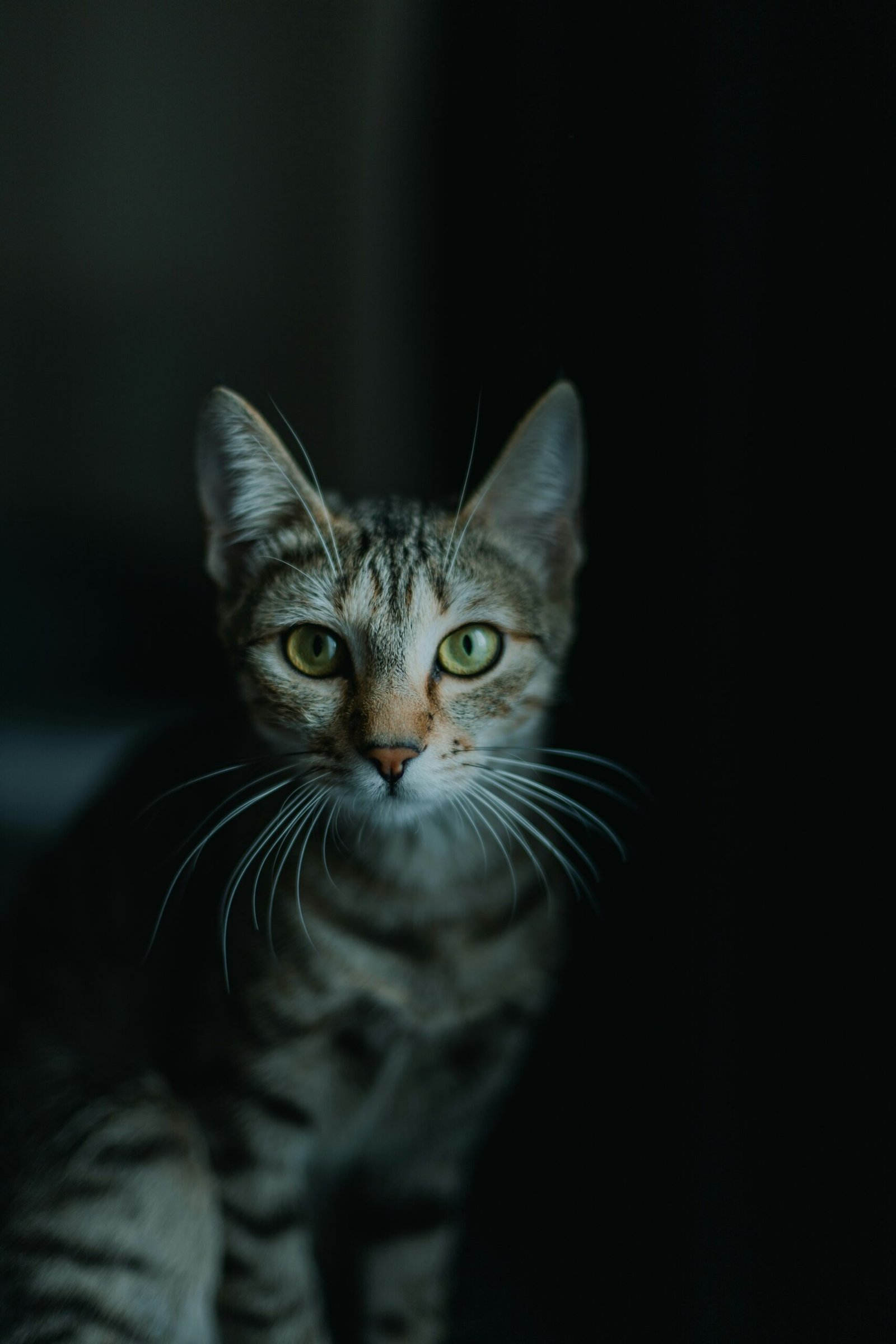
Why Does My Cat Suddenly Freeze and Stare?
Why does your cat suddenly freeze and stare? Nine likely reasons, from sharp senses to seizures, plus how to observe episodes and when to ask your vet.
Have you ever watched your cat suddenly stop moving, become completely still, and stare intensely at something you cannot see?
If you have ever been cooking dinner, glanced over, and found your cat frozen mid-step — staring at a blank wall as though it were showing a film only they can see — you know the peculiar mix of amusement and worry this behavior brings. And if it is late at night and you are reading this because your cat just did something that frightened you, take a breath: most of the time, the explanation is wonderfully ordinary.
Most of the time, a cat suddenly freezes and stares because it has noticed a sound, movement, insect, reflection, or another detail you cannot detect. However, repeated episodes involving unresponsiveness, twitching, confusion, or other unusual symptoms may need veterinary attention. A single brief freeze followed by normal behavior is rarely a concern — the key is learning to read what happens during and after the episode.
A cat that briefly freezes while listening and then continues playing is very different from a cat that repeatedly becomes unresponsive or seems confused afterward.
Why Do Cats Suddenly Freeze and Stare?
Cats naturally pause and become still when they are trying to understand something in their environment. They may be listening for a faint sound, tracking tiny movement, preparing to pounce, or deciding whether something is safe. Stillness is a cat’s built-in information-gathering mode — movement would only drown out the details.
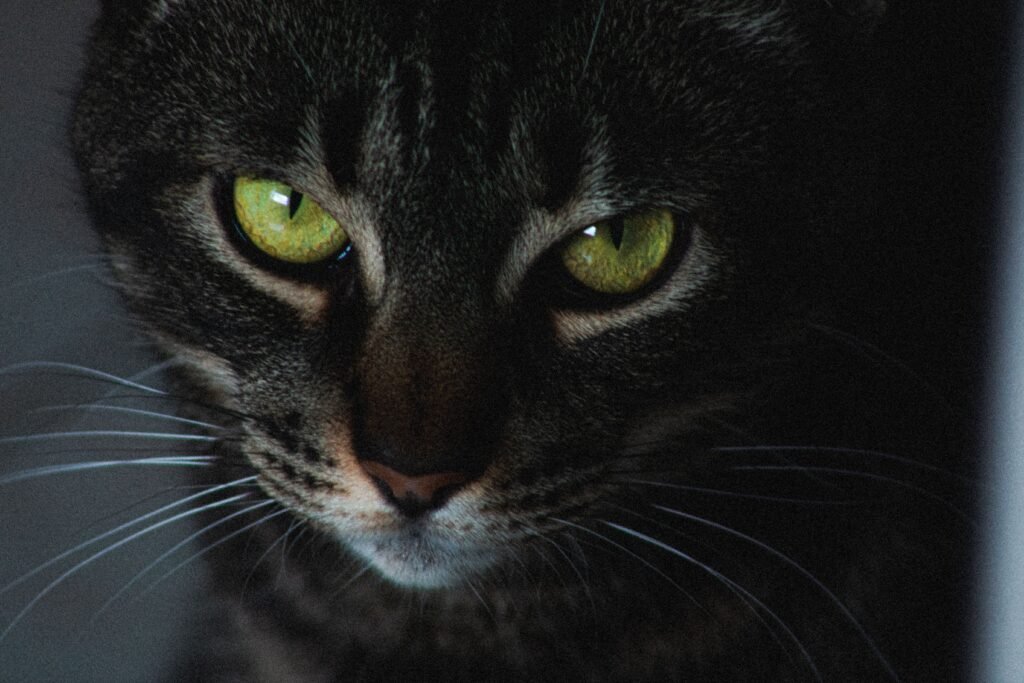
9 Possible Reasons Your Cat Suddenly Freezes and Stares
1. Your Cat Is Listening to Something
Cats may freeze when they hear something faint and want to determine where it is coming from.
You may not hear anything, but your cat could be responding to:
- Movement behind a wall
- A small animal outside
- Pipes or household appliances
- Another pet moving nearby
- A high-pitched or distant sound
What normal listening behavior may look like
Your cat may:
- Rotate its ears toward different sounds
- Turn its head in a particular direction
- Remain aware of its surroundings
- Resume normal activity shortly afterward
Watch your cat’s ears — active ear movements often suggest your cat is listening and processing sounds.
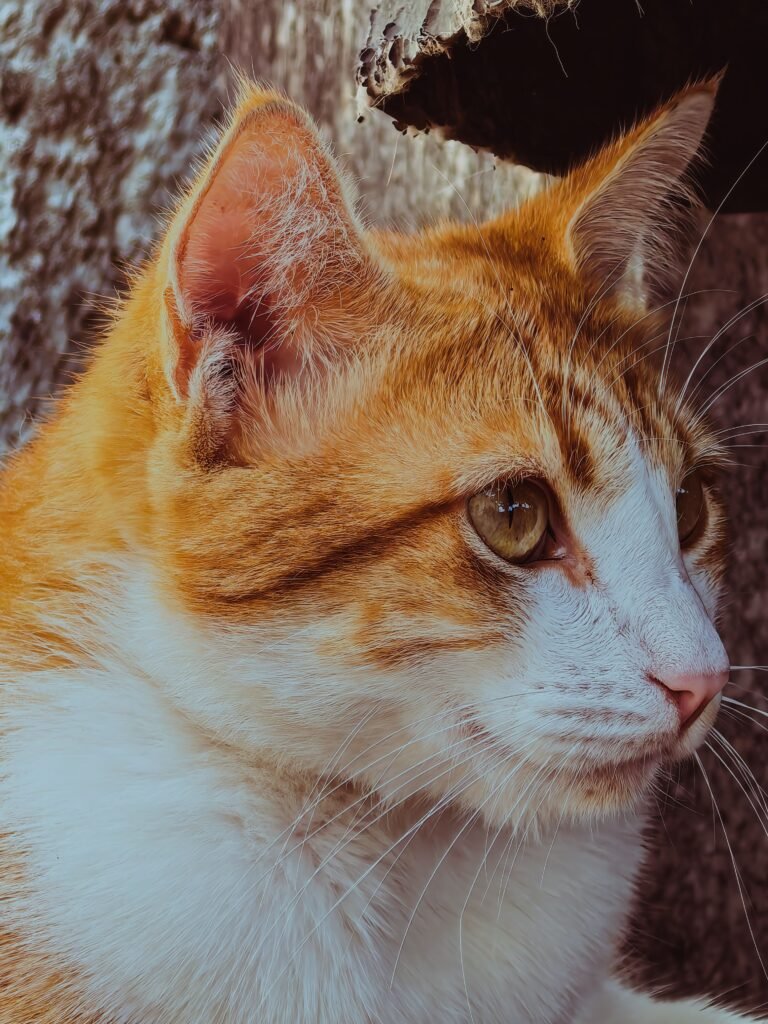
2. Your Cat Has Spotted Something Small
If your cat freezes and stares at apparently nothing, there may actually be something there that is easy for you to miss.
Cats may focus on:
- Tiny insects
- Movement near the floor
- Shadows or reflections
- Activity outside a window
- Small changes in their environment
A cat may remain completely still while deciding whether to investigate or pounce.
What this can look like
Your cat suddenly stops in the hallway and stares at one corner. You see nothing at first. A few minutes later, you notice a tiny insect near the baseboard. Your cat may simply have noticed it before you did.
3. Your Cat Is Assessing Something Unfamiliar
Freezing can be part of a cat’s natural response to uncertainty. A sudden sound, unfamiliar person, new object, or another animal may cause your cat to stop and observe before deciding what to do next.
Look for signs of tension such as:
- Dilated pupils
- Flattened ears
- A crouched posture
- A tucked or low tail
- Sudden hiding
If these signs are present, fear or uncertainty may explain why your cat suddenly stopped.
4. Your Cat Is Concentrating During Play or Hunting
If your cat suddenly freezes mid play, the behavior may simply be part of its natural hunting sequence. Cats often pause while focusing on a toy before stalking or pouncing — for example, your cat may:
- Chase a toy.
- Suddenly stop.
- Stare intensely.
- Adjust its body position.
- Pounce.
This type of pause is usually consistent with normal play and predatory behavior.
| Situation | More Likely Explanation |
|---|---|
| Freezes while watching a toy | Hunting or play behavior |
| Freezes before pouncing | Normal predatory behavior |
| Stares at movement near a window | Environmental awareness |
| Repeatedly becomes unresponsive | Veterinary assessment may be appropriate |
| Freezes with unusual twitching | Possible medical or neurological concern |
| Appears confused afterward | Should be discussed with a veterinarian |
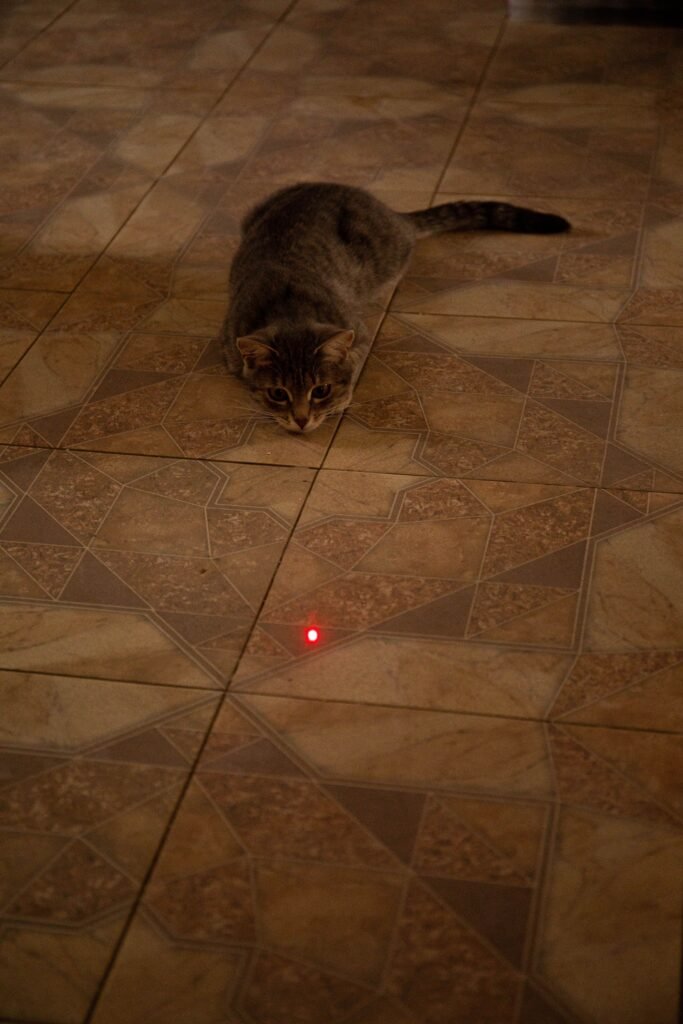
5. Your Cat May Simply Be Calm or Quietly Observing
Not every stare has an obvious explanation. Sometimes a cat may simply sit quietly and observe its surroundings without reacting dramatically to anything.
This is generally less concerning when your cat:
- Appears relaxed
- Responds normally
- Moves normally afterward
- Eats and drinks normally
- Shows no other behavioral changes
The surrounding context matters more than staring alone.
6. Stress or Anxiety May Cause Freezing
Cats may freeze when they feel overwhelmed, uncertain, or frightened. Possible triggers include:
- Moving to a new home
- Visitors
- A new pet
- Loud noises
- Construction
- Changes in routine
Avoid forcing a frightened cat to move or investigate what it is watching. Giving your cat space is usually better than adding more pressure to an already stressful situation.
7. Pain or Discomfort Can Cause Sudden Changes in Movement
Pain does not usually explain staring by itself. However, discomfort can cause a cat to suddenly stop, hesitate, or become unusually still, particularly when movement triggers pain.
Pay attention to additional changes such as:
- Limping
- Avoiding jumps
- Moving differently
- Hiding more often
- Reduced activity
- Sensitivity when touched
- Changes in appetite
- Changes in litter box habits
A cat that freezes and stares once is not necessarily in pain. The concern increases when sudden stillness occurs alongside other noticeable changes.
8. Vision Problems Can Cause Confusion and Freezing
A cat experiencing vision problems may become uncertain about its surroundings and hesitate or freeze. Cornell University College of Veterinary Medicine describes behavioral changes associated with sudden vision loss, including confusion, fear, bumping into familiar objects, and freezing when alarmed.
Possible warning signs include:
- Bumping into furniture
- Difficulty finding familiar objects
- Hesitating in familiar spaces
- Increased fearfulness
- Cloudy-looking eyes
- Unequal-looking pupils
Sudden changes in vision should be assessed promptly by a veterinarian.
9. Neurological Problems, Including Seizures, Are Possible
Neurological causes are generally less common explanations for an otherwise normal cat that briefly freezes and remains responsive. The pattern of the episodes and accompanying symptoms are more important than staring alone.
Some seizures can involve changes in awareness or behavior. VCA notes that seizure activity may sometimes include a dazed appearance, aimless staring, lip licking, or localized twitching, while focal seizures can present differently from generalized seizures.
That does not mean that every staring episode is a seizure.
Could My Cat’s Freezing and Staring Be a Seizure?
It is possible, but staring alone cannot diagnose a seizure. Seizures in cats can look different depending on the type of seizure and the part of the brain involved. Some episodes are dramatic and may involve collapse, stiffening, paddling movements, or loss of consciousness. Others can be subtler and involve behavioral or localized changes.
Signs that deserve veterinary attention
Contact your veterinarian if episodes involve:
- Repeated apparent unresponsiveness
- Facial or body twitching
- Unusual repetitive movements
- Excessive drooling
- Lip licking during an unusual episode
- Collapse
- Stiffness
- Difficulty walking afterward
- Confusion or disorientation
- Episodes that are becoming more frequent
A video of the episode can be particularly useful because unusual behaviors may not happen again during a veterinary appointment.
How to Tell Normal Freezing From a Possible Medical Problem
More likely to be normal
- Your cat freezes briefly
- Your cat remains aware of its surroundings
- Your cat responds normally afterward
- Your cat appears to be listening or watching something
- The episode happens during play or hunting
- There are no unusual movements
- Your cat otherwise behaves normally
Worth discussing with a veterinarian
- Episodes happen repeatedly
- Your cat appears unresponsive
- The behavior is new or worsening
- Your cat seems confused afterward
- Twitching or unusual movements occur
- Your cat collapses
- Balance or walking changes
- Other sudden behavioral changes appear
The key question is not simply, “Did my cat stare?”
It is:
“Was my cat behaving normally and responding normally during and after the episode?”
Senior Cats: When Staring May Signal Cognitive Decline
Blank staring in an older cat deserves special mention. Feline cognitive dysfunction — sometimes called cat dementia — can cause staring into space, disorientation, and behavior changes in cats over 11. Vets often screen for it using the acronym DISHAA:
- Disorientation — getting lost in familiar rooms, staring at walls or into space
- Interaction changes — less interest in people or other pets, or newly clingy
- Sleep-wake changes — restless or vocal at night, sleeping more by day
- House soiling — forgetting litter box habits
- Activity changes — aimless wandering, repetitive behaviors
- Anxiety — new nervousness or vocalization, especially at night
Cognitive decline cannot be cured, but it can be managed — with environmental support, diet adjustments, and sometimes medication. If your senior cat’s staring comes with any of these companions, ask your vet about cognitive screening at their next checkup. And if the staring is new and your cat is a senior, don’t wait for the annual visit.
Feline Hyperesthesia Syndrome: Another Possible Differential
Another condition worth knowing about is feline hyperesthesia syndrome. Cats with this condition may show rippling or twitching skin along their back, suddenly chase or attack their tail, react strongly to being touched along the spine, and have brief episodes of restlessness or odd behaviour that can include staring. Because these episodes can resemble focal seizures, only a veterinarian can tell the two apart — so if you notice skin rippling, tail chasing, or unusual sensitivity to touch alongside freeze-and-stare moments, it is worth raising with your vet.
How to Observe and Record a Freezing Episode
If your cat suddenly freezes and stares, try to observe the episode without panicking.
1. Stay calm
Do not immediately assume the worst. A calm observation is more useful than trying to interrupt the behavior.
2. Notice what happened immediately before
Ask yourself:
- Was your cat playing?
- Did a sound occur?
- Was your cat near a window?
- Did another animal move nearby?
- Was your cat waking up or settling down?
Context can help identify possible triggers.
3. Observe responsiveness safely
Notice whether your cat naturally responds to its surroundings. Avoid shaking or forcefully disturbing your cat to test its reaction.
4. Note how long the episode lasts
There is no single duration that proves an episode is harmless or serious. Instead, focus on whether episodes are unusual for your cat, repeated, prolonged, or accompanied by other symptoms.
5. Record a video if possible
Try to capture:
- Your cat’s face
- Eye movements
- Body posture
- Any twitching
- The surrounding environment
- Behavior after the episode
6. Keep an episode log
Write down:
- Date and time
- What happened before
- Approximate duration
- Whether your cat responded
- Any unusual movements
- What happened afterward
Your phone’s notes app works perfectly for this — even a simple running list with dates is far more useful than memory. A clear pattern can help your veterinarian evaluate the situation.
Your Cat Just Froze: What to Do in the Next 60 Seconds
When your cat suddenly freezes and stares, resist the urge to immediately touch or call them. Instead, watch quietly for up to a minute: note the ears (swiveling means listening), the eyes (tracking movement is normal; a fixed blank gaze is not), and the body (a relaxed posture differs from rigid trembling). Most episodes end on their own when the cat identifies the trigger.
If your cat remains unresponsive, starts twitching, drools, or collapses, treat it as a possible medical event — keep them safe from stairs or sharp edges, do not restrain them, and call your vet. For a veterinary overview of what seizure-like episodes can look like, see VCA’s guide to seizures and epilepsy in cats.
What Your Vet Will Ask You (and How to Prepare)
Walking into the clinic with a clear record turns a vague worry into a genuinely useful consultation. Here is what your veterinarian will most likely want to know — and the details that help them most:
- When it started and how often it happens — daily? weekly? only at night? only in one room?
- How long each episode lasts — time a few with your phone if you can
- What your cat was doing right before — playing, sleeping, eating, or nothing at all
- Whether your cat responds during the episode — to their name, a gentle touch, or a treat waved near their nose
- What happens afterward — back to normal, confused, hiding, eating, sleeping?
- Any other changes — appetite, thirst, weight, litter box habits, vomiting, activity level
- Your cat’s age, medical history, and current medications
Bring your videos and your episode log. If your vet suspects seizures, they may recommend bloodwork, blood pressure measurement, or referral for advanced imaging — knowing that in advance makes the visit less stressful for both of you.
Helping a Cat That Freezes From Fear or Anxiety
Some cats freeze not from curiosity but from fear — a new home, loud visitors, or another pet can leave them statue-still for minutes. Do not force a frightened cat to move or “face” the trigger. Instead, give them access to a safe hiding spot, keep the environment quiet, and let them come out on their own terms.
If freezing episodes happen around specific triggers like thunderstorms or the vacuum, try desensitization: play the sound at very low volume while offering treats, increasing very gradually over weeks, and only while your cat stays relaxed. Stop if your cat shows signs of fear, and ask your vet for help if the fear is severe. Cats that stare intensely at their owners, especially at night, may be doing it for different reasons — see our guide on why your cat stares at you while you sleep for what that behavior means. For daytime staring, our guide on why cats stare at their owners covers the most common reasons.
Common Mistakes to Avoid
Assuming your cat is staring at literally nothing
Cats may notice sounds, insects, movement, and other environmental details that humans miss.
Assuming every episode is a seizure
Normal hunting, listening, fear, and curiosity can all involve freezing and intense staring.
Ignoring repeated changes
A new or recurring pattern is more important than one isolated moment of staring.
Shaking or forcefully moving your cat
If your cat appears unusually still or disconnected, avoid physically shaking it. Observe calmly and focus on keeping your cat safe.
Putting something in your cat’s mouth during a seizure
Do not put your fingers or an object in a cat’s mouth during a seizure. VCA explains that cats do not swallow their tongues during seizures, and attempting to place something in the mouth can cause injury.
When Should You Contact a Veterinarian?
Arrange a veterinary consultation if your cat’s freezing and staring episodes:
- Happen repeatedly
- Become more frequent
- Include apparent unresponsiveness
- Occur with twitching or abnormal movements
- Are followed by confusion
- Occur with balance or walking changes
- Are accompanied by other signs of illness
- Represent a sudden and unexplained behavioral change
When Is It an Emergency?
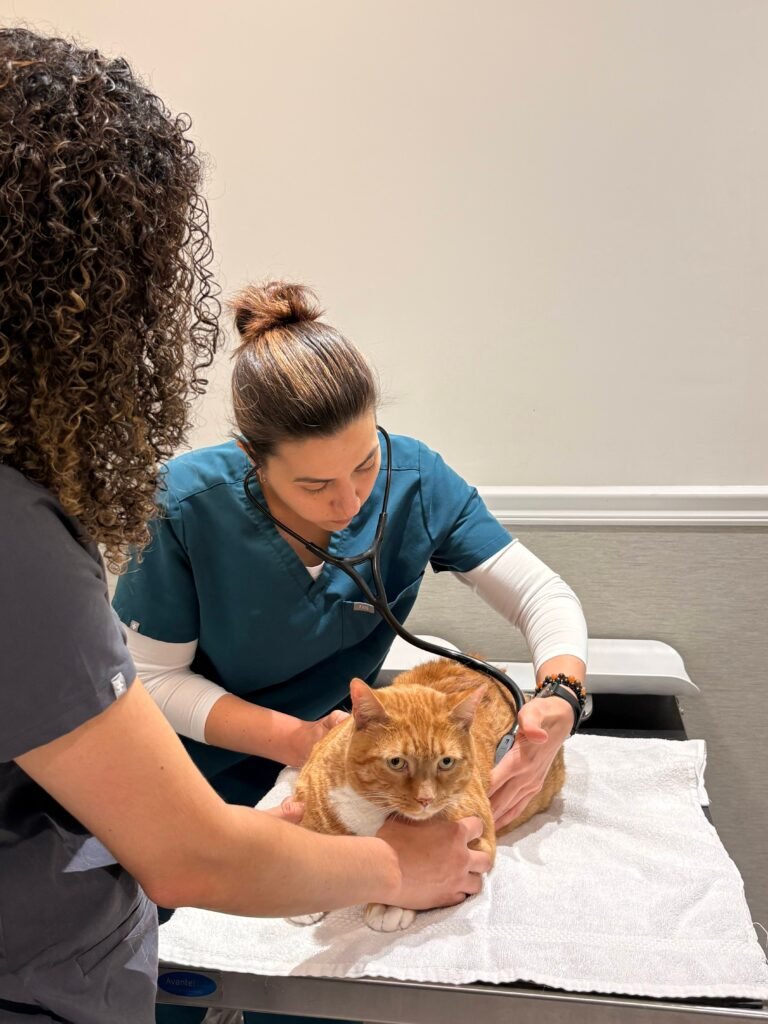
Seek emergency veterinary care if your cat has a seizure lasting five minutes or longer, if seizures occur repeatedly without normal recovery between them, or if your cat has serious breathing difficulty or cannot safely recover.
If you are unsure whether what you observed was a seizure or another medical problem, contacting a veterinarian for guidance is the safest approach.
Myth vs. Fact
| Myth | Fact |
|---|---|
| Cats staring at nothing are always seeing something supernatural | Cats may be responding to subtle sounds, movement, insects, or environmental changes |
| Every freezing episode is a seizure | Freezing and staring can occur during normal listening, hunting, curiosity, or fear |
| Seizures always involve violent shaking | Some seizure activity can involve subtler changes in awareness or behavior |
| You should put something in a cat’s mouth during a seizure | Do not put your fingers or objects in the cat’s mouth |
| If my cat seems normal afterward, the episode must have been harmless | Some medical episodes can be brief, so repeated or unusual episodes should still be discussed with a veterinarian |
Frequently Asked Questions
Why does my cat freeze up like a statue?
This ‘statue’ freeze is usually your cat’s orienting response — they have detected something and gone completely still to process it. Watch the ears: if they swivel, your cat is listening and tracking. It becomes concerning only if the freeze is paired with unresponsiveness, twitching, or confusion afterward.
Why is my cat suddenly staring at nothing?
Your cat is almost certainly staring at something — a faint sound, a tiny insect, dust drifting in a sunbeam, or movement outside the window. Cats detect details humans miss entirely. Only worry if the staring is blank and unresponsive, happens repeatedly, or comes with other symptoms.
Why does my cat freeze when startled?
Freezing is a cat’s first response to a sudden fright — it helps them assess danger before deciding to flee or hide. Loud noises like thunderstorms, vacuums, or slammed doors commonly trigger it. Give your cat space and a hiding spot rather than forcing comfort.
Should I comfort my cat when it freezes in fear?
Yes, but calmly and on your cat’s terms. Do not grab or chase them. Speak softly, let them come to you, and make sure they have access to a safe hiding spot. Forcing interaction on a frightened cat usually increases stress.
Why does my cat suddenly freeze and stare at me?
Your cat may be watching your movements, waiting for food, seeking attention, or reacting to something associated with you — many cats stare at their owners right before mealtimes or when they want play. If your cat otherwise behaves normally and responds to you, this is generally less concerning than repeated episodes involving blank unresponsiveness or abnormal movement.
Why does my cat freeze and stare into space?
Your cat may have noticed a sound, movement, insect, reflection, or another environmental detail you cannot detect — cats often stare ‘into space’ while tracking something tiny or distant. Repeated episodes involving unusual movements, twitching, or changes in awareness should be discussed with a veterinarian.
Why does my cat suddenly stop and freeze?
Cats may stop suddenly to listen, observe, hunt, or assess something unfamiliar — freezing is their built-in pause button for processing new information. A repeated or unexplained pattern, especially one paired with other symptoms like confusion or unsteadiness, deserves closer attention.
Why does my cat suddenly freeze mid play?
A pause during play is usually part of normal hunting behavior. Cats freeze while locking onto a toy before stalking or pouncing — that intense crouch-stare-pounce sequence is the same one they would use on real prey. As long as your cat resumes playing normally, there is nothing to worry about.
Can cats have staring seizures?
Yes — some feline seizures involve changes in awareness or behavior, including blank staring, rather than dramatic convulsions. However, staring alone is never enough to diagnose a seizure; only a veterinarian can do that, ideally with video of the episodes and sometimes further testing.
How long should a normal staring episode last?
There is no single duration that reliably classifies every episode — most normal freezes last seconds to a couple of minutes and end when the cat identifies the trigger or loses interest. Context, responsiveness, repetition, and accompanying symptoms are far more useful clues than the stopwatch.
Should I try to wake my cat when it freezes and stares?
Do not shake or forcefully disturb your cat — if the episode is a seizure, that will not help, and if it is normal behavior, you will only startle them. Instead, observe calmly, note what happens, and record the episode if possible. You can gently say their name once; a cat that is simply listening will usually flick an ear or glance over.
Why does my older cat stare at walls?
Older cats may stare for ordinary reasons, but persistent blank staring combined with disorientation, sleep changes, or house-soiling can signal feline cognitive dysfunction. If your senior cat’s staring comes with other behavior changes, ask your vet about cognitive screening — see the section on cognitive decline above.
Can stress cause my cat to freeze?
Yes. A frightened or overwhelmed cat may become completely still while assessing an unfamiliar or stressful situation — new homes, visitors, loud noises, and other pets are common triggers. Give the cat space, a hiding spot, and time; forcing interaction usually makes things worse.
When is cat freezing and staring an emergency?
Seek urgent veterinary help if the episode involves collapse, serious breathing difficulty, a seizure lasting five minutes or longer, or repeated seizures without normal recovery between them. When in doubt, call your vet or an emergency clinic — they would rather reassure you about a false alarm than miss a real one.
Final Thoughts
If your cat suddenly freezes and stares, the explanation is often something ordinary: a sound, tiny movement, insect, reflection, or another environmental detail that you have not noticed.
What matters most is the overall pattern. A brief pause during play or while listening is very different from repeated episodes involving apparent unresponsiveness, confusion, twitching, collapse, or other sudden behavioral changes.
Observe what happens before, during, and after the episode. If the behavior is new, recurring, worsening, or accompanied by other symptoms, record what you see and discuss it with your veterinarian.
That approach helps you avoid unnecessary panic while still taking potentially important changes in your cat’s behavior seriously — which is exactly the balance every good cat owner is trying to strike.
Photo Credits
Featured image by Mert Ceyhan via Unsplash. All other images in this article were created for PetCavo.



4 Comments